
 Asep Darmawan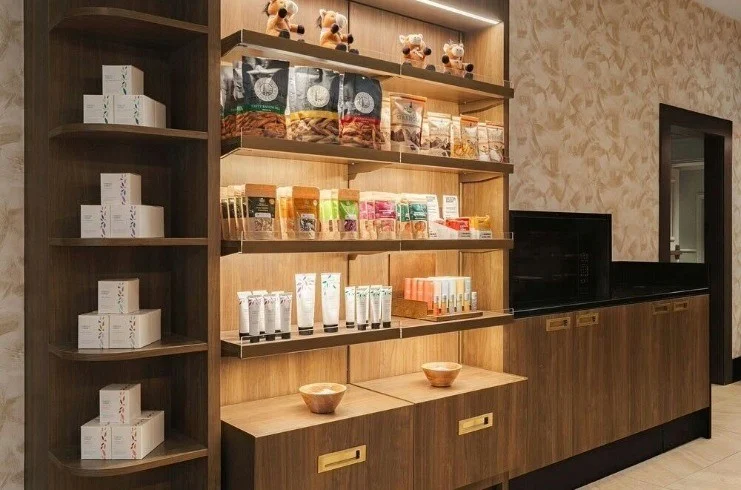
NEW YORK — In an era where the modern traveler increasingly demands transparency, sustainability, and social consciousness from the brands they patronize, Palette Hotels has taken a definitive step toward redefining the intersection of luxury hospitality and corporate social responsibility. The management group has officially announced a sweeping strategic partnership with Procure Impact, a platform dedicated to facilitating "social procurement" within the hospitality sector.
This collaboration marks a significant pivot in how hotels manage their supply chains, moving away from generic, mass-produced goods toward a curated, mission-driven inventory. By integrating more than 6,000 products sourced from social enterprises, Palette Hotels is not merely updating its retail shelves—it is embedding a profound commitment to social equity into the very fabric of the guest experience.
Main Facts: A New Standard for Supply Chain Ethics
At its core, the partnership between Palette Hotels and Procure Impact represents a systemic shift in procurement strategy. Rather than sourcing solely from traditional vendors, Palette Hotels will now stock its marketplaces, amenity kits, and food and beverage offerings with products from a diverse array of social enterprises. These include businesses that prioritize hiring individuals from overlooked or marginalized segments of the labor market, brands that donate significant portions of their profits to nonprofit initiatives, and independent, local businesses that drive regional economic vitality.
The integration process is slated to begin immediately, with a phased rollout across the entire Palette Hotels portfolio. Guests can expect to see these changes in their "grab-and-go" marketplaces, in-room amenities, and lobby shops throughout the remainder of the year. The inventory is as diverse as it is ethical, ranging from artisanal snacks like organic cotton candy and regional delicacies such as Maryland crab pretzels to high-quality guest supplies.
Chronology of the Partnership
The journey toward this partnership did not happen in a vacuum. It follows a growing industry-wide movement toward ESG (Environmental, Social, and Governance) transparency, which has been accelerated by post-pandemic consumer behaviors.
- Foundation Phase: Procure Impact established its reputation as a bridge between the hospitality industry and social enterprises, gaining momentum as it sought to formalize how hotels track their "social spend."
- Alignment of Values: Leadership at Palette Hotels, under the guidance of CEO Richard Lou, began evaluating the firm’s supply chain impact. The objective was to find a partner capable of scaling social impact without compromising the premium standards expected by Palette’s clientele.
- The AHLA Connection: The partnership was significantly bolstered by the framework provided by the American Hotel & Lodging Association (AHLA). The "Dignity of Work Pledge," an initiative designed to provide economic mobility for vulnerable populations, served as the blueprint for this collaboration.
- Announcement: In September 2026, the formal agreement was finalized, marking the start of a long-term commitment to redirecting procurement spend toward organizations that create measurable social value.
- Implementation: The current phase involves the transition of inventory across Palette’s properties, with performance metrics beginning to be tracked via the AHLA’s "Responsible Stay" platform.
Supporting Data: Measuring the "Dignity of Work"
In the world of corporate social responsibility, the "how" is often as important as the "what." Procure Impact differentiates itself by providing granular, data-backed reporting on the impact of every transaction. This allows Palette Hotels to quantify the success of its social procurement strategy.
A cornerstone of this partnership is the commitment to creating 1,000 hours of employment annually through social procurement. This figure is not an arbitrary estimate; it is a calculated target based on the purchasing volume of social enterprises that specifically employ individuals facing barriers to traditional employment—such as those formerly incarcerated, individuals with disabilities, or those experiencing homelessness.
The Economics of Social Procurement
Beyond the altruistic benefits, the business case for this partnership is rooted in data. Studies have shown that:
- Guest Satisfaction: Modern travelers—particularly Millennials and Gen Z—show a higher propensity to book with hotels that align with their personal values.
- Revenue Growth: Unique, locally-sourced, and "story-driven" products perform better in retail settings than generic items. By offering guests items they cannot find at a typical convenience store, Palette Hotels is creating a competitive advantage that encourages higher spend-per-guest.
- Efficiency: Through the Procure Impact platform, the administrative burden of vetting hundreds of small-scale vendors is streamlined, allowing hotel managers to focus on hospitality rather than logistical procurement hurdles.
Official Responses: A Shared Vision for the Future
The partnership has been met with enthusiasm from both the executive suite and the broader hospitality community.

Richard Lou, CEO of Palette Hotels, framed the move as both a moral imperative and a strategic evolution:
"Our partnership with Procure creates a meaningful opportunity to engage people the labor market too often overlooks. At some point in all of our careers, each of us has leaned on someone for everything from guidance to helping get a foot in the door. Procure has started a wonderful pathway for less privileged communities to have a material impact in the markets in which we operate. Not only does this partnership provide a marketplace for social enterprises, but in doing so, we’re also offering unique and delicious options for our guests. It’s a win-win for everyone involved. Guests are satisfied, owners enjoy an additional revenue stream, and profits increase."
Jen Collins, co-founder and president of Procure Impact, emphasized the paradigm shift within the hospitality sector:
"The future of hospitality belongs to organizations that recognize purpose as a competitive advantage. We’re honored to partner with Palette Hotels to demonstrate that thoughtful sourcing can delight guests, strengthen financial performance, and expand meaningful employment opportunities all at the same time."
Implications: The Future of Hospitality Procurement
The partnership between Palette Hotels and Procure Impact serves as a bellwether for the wider hospitality industry. As competition for guest loyalty intensifies, the "commodity" hotel model is facing existential pressure. Travelers are no longer just looking for a clean room; they are looking for an experience that reflects their own desire to contribute to a better world.
Redefining the "Guest Experience"
For years, the hospitality industry focused on the tangible—high-thread-count sheets, marble bathrooms, and gourmet breakfast buffets. While these remain essential, the definition of "luxury" is expanding to include the intangible: the story behind the product. When a guest at a Palette Hotel bites into a snack produced by a social enterprise that helps provide jobs for survivors of domestic abuse, the value of that item changes. It ceases to be a simple transaction and becomes a point of connection between the hotel, the guest, and the community.
The Scalability of Social Impact
Critics of corporate social responsibility often argue that such initiatives are difficult to scale. However, by leveraging platforms like Procure Impact, large hotel groups can manage thousands of vendors with the same efficiency as a single supplier. The AHLA’s "Responsible Stay" platform provides a standardized language for this impact, making it easier for other hotel groups to follow Palette’s lead.
A Long-Term Commitment
The 1,000-hour employment target is likely just the beginning. As Palette Hotels continues to integrate this model, the data gathered will undoubtedly inform future procurement decisions, potentially expanding the program into other areas of operation, such as linens, housekeeping supplies, and furniture.
In conclusion, this partnership is not a temporary marketing campaign. It is a fundamental restructuring of how a major hospitality brand interacts with the economy. By aligning financial success with social progress, Palette Hotels is setting a high bar for the industry, proving that in the modern hospitality landscape, doing good is no longer optional—it is the most effective strategy for long-term growth and brand resilience. As the industry watches, the success of this initiative could trigger a wave of adoption, shifting the multi-billion dollar hotel procurement market toward a future where every dollar spent contributes to a more equitable society.


 Azzam Bilal Chamdy
 Ali Ikhwan




