Lina Irawan
As the hospitality industry moves deeper into 2026, the operational landscape has undergone a seismic shift. Hoteliers are no longer merely competing on room rates or location; they are competing on the agility of their digital infrastructure. Faced with persistent labor shortages, skyrocketing guest expectations for frictionless, contactless service, and the relentless demand for real-time data synchronization across hundreds of digital booking channels, property leaders are being forced to re-evaluate their most critical asset: the Property Management System (PMS).
Choosing a modern PMS is no longer a routine IT procurement task. It is a high-stakes strategic pivot. Because a PMS serves as the central nervous system of a property, the decision to upgrade—or remain with a legacy system—locks a hotel’s operational trajectory for the next five to ten years. In an era of rapid technological disruption, this choice often dictates the long-term viability and profitability of a hotel brand.
Defining the Modern Hotel PMS
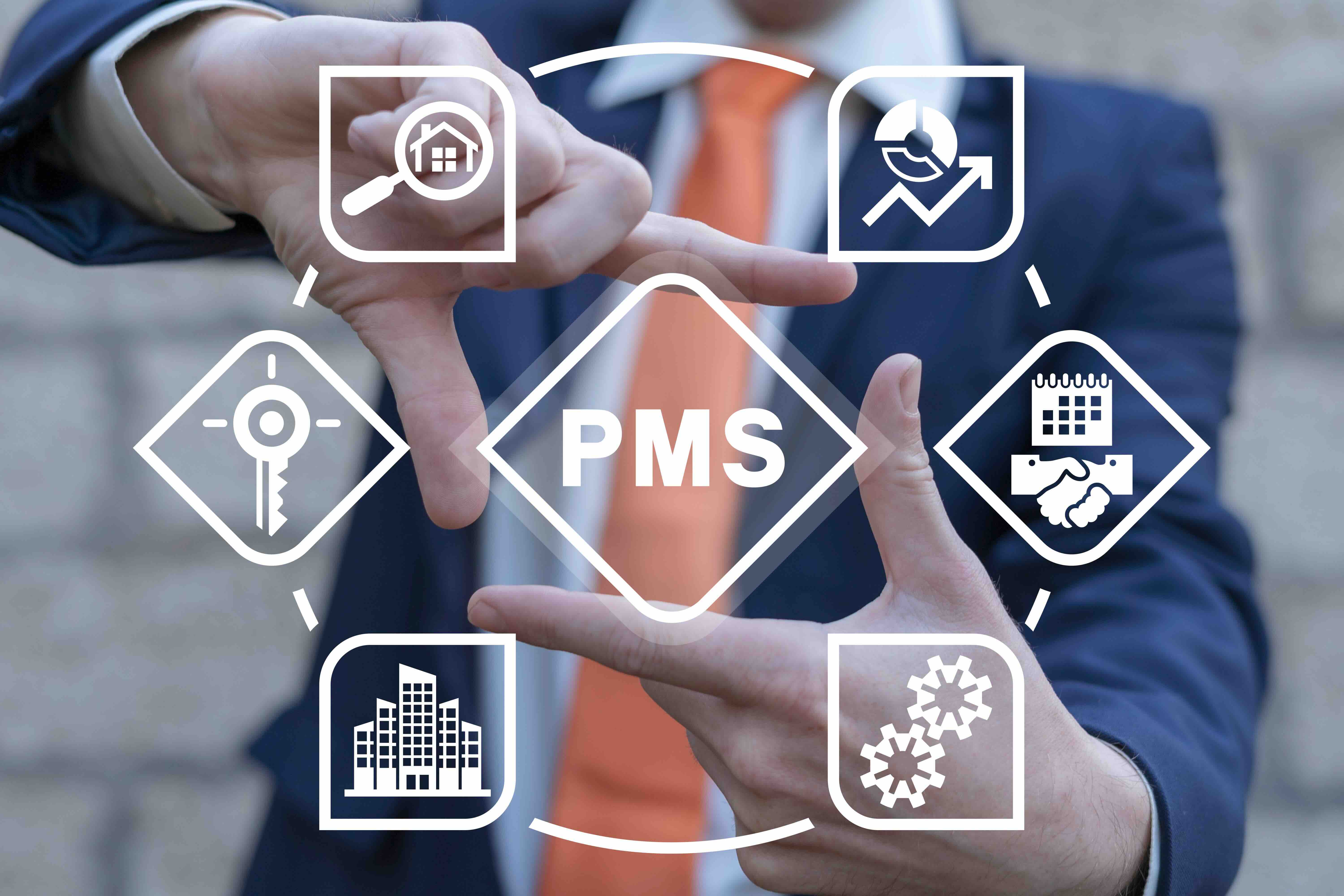
At its core, a Property Management System is the "ultimate single source of truth" for a hotel. It is the operating system that bridges the gap between front-office reservations, housekeeping management, financial reporting, and third-party digital channels like Online Travel Agencies (OTAs) and Point-of-Sale (POS) systems.
By centralizing these functions, a robust PMS eliminates the "data silos" that have historically crippled hotel efficiency. When a guest checks out, a modern, integrated PMS automatically triggers a status update to housekeeping, updates inventory on all connected booking sites, and logs the financial transaction in the accounting module. This reduces manual data entry—a major source of human error—and allows staff to pivot from administrative tasks to high-value guest interactions.
The Five Faces of PMS Architecture
To make an informed decision, stakeholders must move beyond surface-level features and look at how these systems are deployed. The deployment model dictates total cost of ownership (TCO), hardware reliance, and, most importantly, the ability to integrate with the next generation of hospitality software.
1. Cloud-Based (SaaS) PMS: The Gold Standard
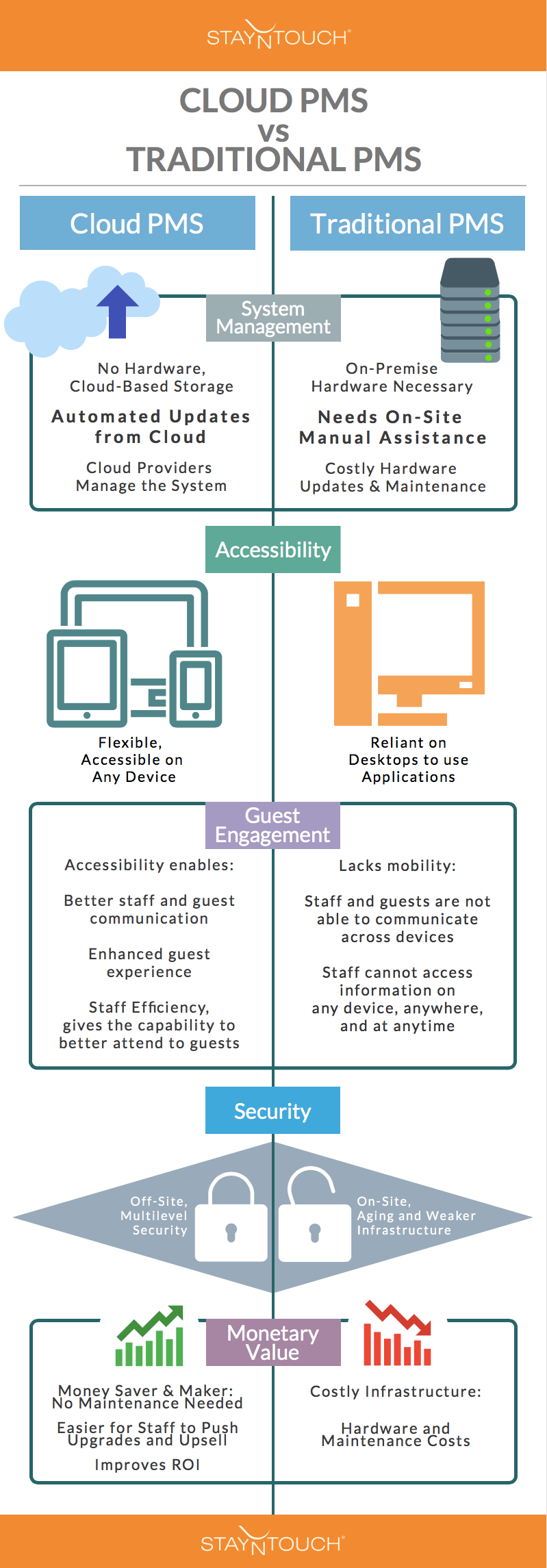
The industry has reached a consensus: cloud-native, Software-as-a-Service (SaaS) platforms are the gold standard for independent hotels, boutiques, and agile groups. By hosting software and operational data on secure, remote, internet-connected servers, cloud-based systems allow staff to access the PMS via any web browser or mobile device. In a market where room availability must be synchronized across hundreds of platforms in milliseconds, the speed and connectivity of the cloud are not luxuries—they are requirements.

2. On-Premise (Legacy) PMS: The Old Guard
Tracing its lineage to the 1970s, the legacy on-premise system stores all data on physical servers located within the hotel walls. While these systems provided the foundation for modern hospitality, they are increasingly viewed as bottlenecks. They require dedicated physical space, specialized cooling, and an internal IT team to handle manual, often costly, system updates. However, they remain in use by large chains that have built decades of proprietary data and by properties in remote, off-grid locations where consistent internet access is not guaranteed.
3. Mobile-First PMS
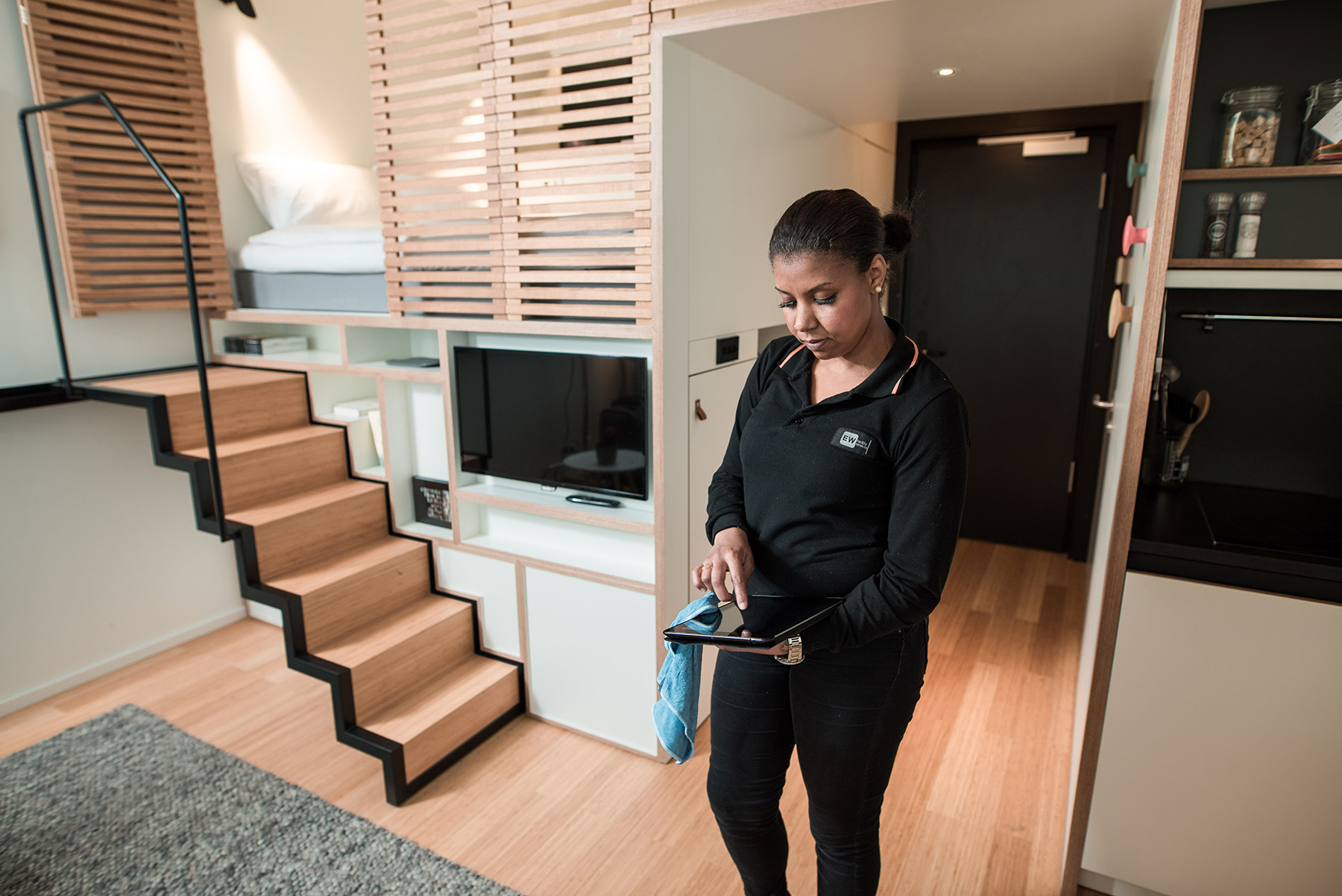
A specialized subset of cloud-based technology, mobile-first systems (such as Stayntouch) are designed for tablets and smartphones. They are engineered to break the "front desk barrier," allowing staff to check guests in, inspect rooms, or handle maintenance requests while moving through the property. For boutique hotels with lean teams, this mobility is a force multiplier, allowing one employee to perform the work that previously required three.

4. API-First Systems: The Connectors
In 2026, no single software vendor can build every tool a hotel needs. An "API-first" architecture is the key to creating a best-of-breed ecosystem. These systems prioritize open, seamless connectivity, allowing the hotel to plug in specialized tools—such as AI-driven revenue management software, smart door locks, or CRM platforms—without friction.
5. Hybrid PMS: The Transitionary Model
Hybrid systems serve as a bridge, storing core data locally to ensure uptime during internet outages while leveraging the cloud for reporting and external integrations. This model is often the preferred path for large-scale properties that are slowly migrating away from massive, legacy on-premise installations.
Chronology: From Static Records to Autonomous Assistants
The evolution of the PMS reflects the evolution of the hotelier’s role.
- The 1970s–1990s: The era of the "Mainframe." PMS platforms were glorified databases, primarily used for recording reservations and basic guest profiles.
- The 2000s–2015: The "Integration" phase. As the internet exploded, PMS systems began to connect to OTAs and early booking engines, though these connections were often brittle and prone to failure.
- 2016–2024: The "Cloud Shift." The migration to SaaS models allowed for faster innovation and the rise of mobile-first capabilities.
- 2025–Present: The "Autonomous Era." We have moved from reactive data entry to proactive, AI-driven operations where the system acts as a digital assistant, predicting needs before they arise.
Supporting Data and Industry Implications
The necessity of this shift is backed by mounting data. A recent industry survey suggests that over 82% of hoteliers are aggressively expanding their use of AI tools this year to mitigate labor shortages. The primary driver is not just cost-cutting, but the need to maintain service standards with smaller teams.
For multi-property groups, the implications are even more profound. Research indicates that transitioning to a centralized, cloud-native, API-first PMS can drive up to 70% greater operational efficiency across a portfolio. By automating the "night audit"—once a labor-intensive, hours-long task—hotels can reallocate staff to the lobby floor, enhancing the guest experience during peak hours.
Official Perspectives: The Strategic Shift
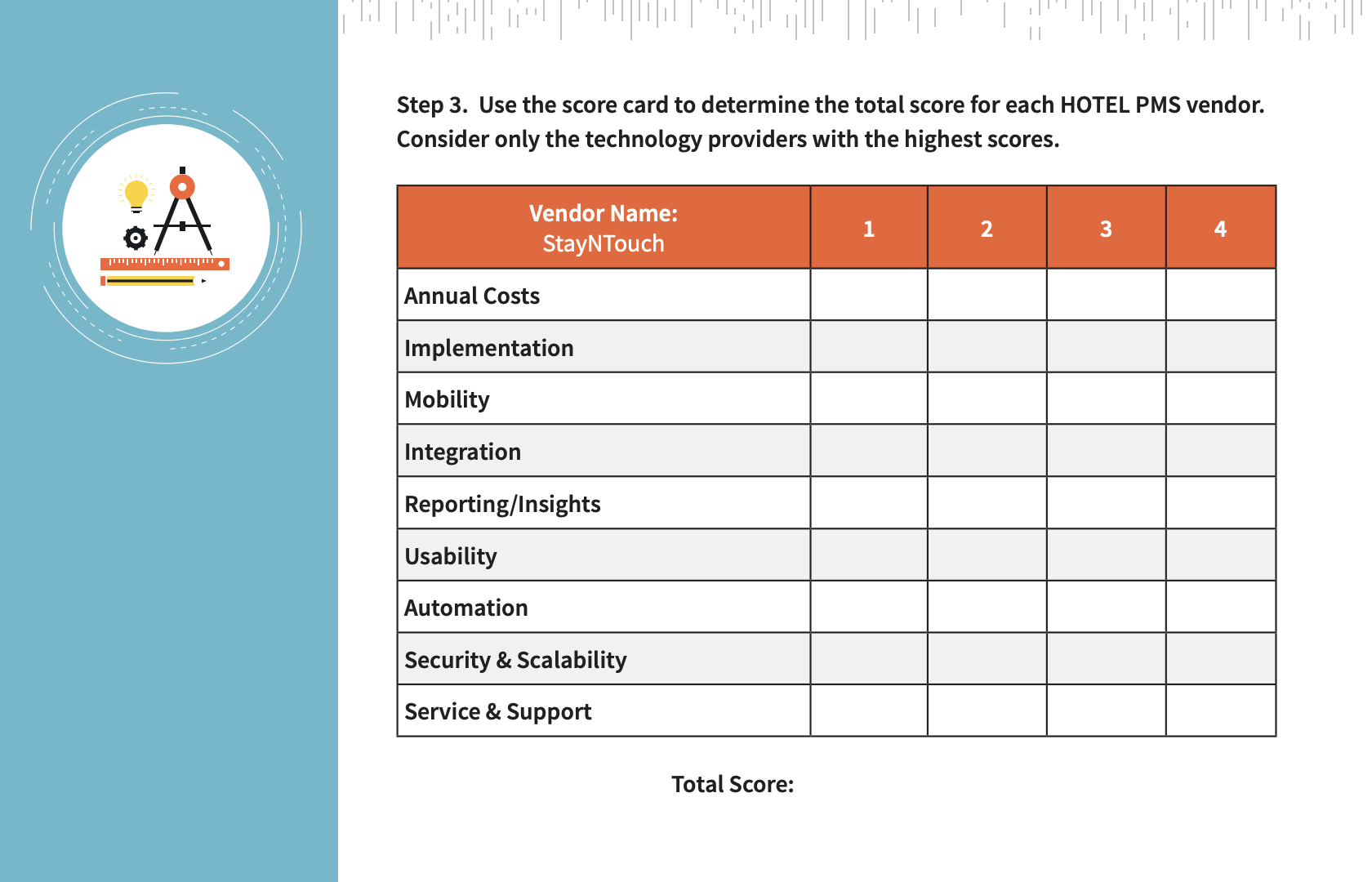
Industry experts emphasize that the "one-size-fits-all" mentality is dead. When evaluating a new system, property managers must look beyond the brochure and utilize formal evaluation frameworks. Key metrics for success in 2026 include:

- System Uptime: Modern cloud systems frequently exceed 99.97% uptime.
- Integration Density: The ability to connect with 1,000+ third-party applications is the new baseline for top-tier systems.
- Training Speed: An intuitive, mobile-native UI can reduce staff training time from weeks to hours, a critical factor given the high turnover rates in the current labor market.
The Future: AI, Sustainability, and Hyper-Personalization
As we look toward the remainder of 2026 and beyond, the PMS is evolving into an intelligent partner.
AI and Operational Efficiency
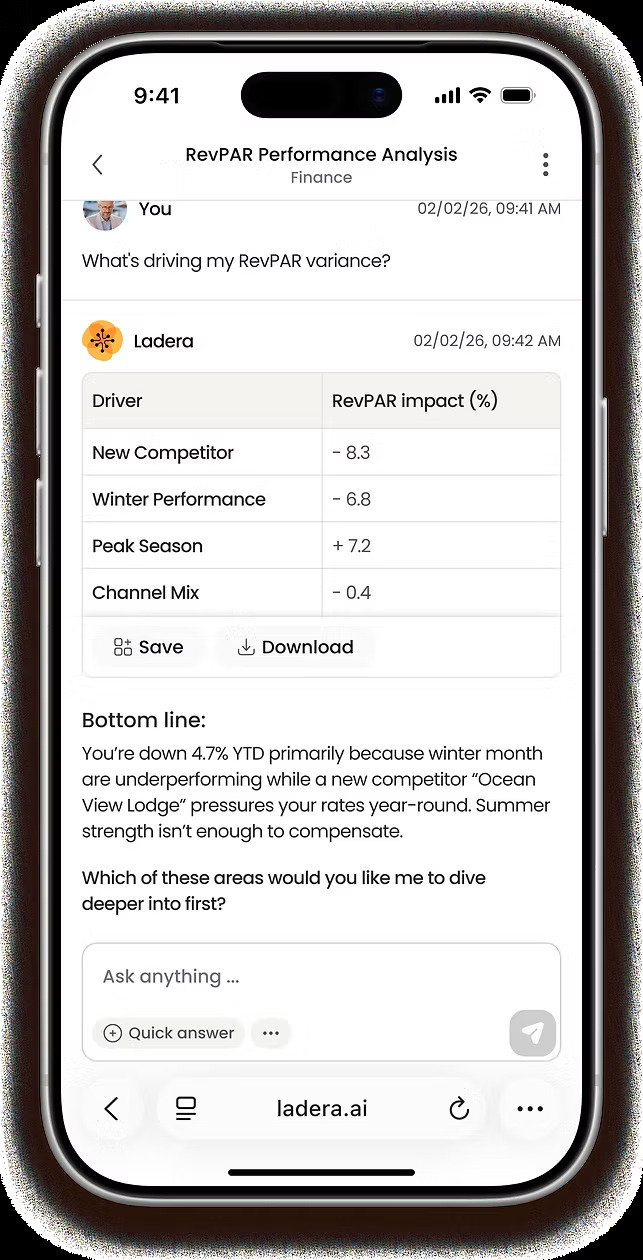
AI is moving from marketing buzzword to operational reality. In 2026, PMS-integrated AI is being used to dynamically manage room inventory, predict guest arrival times for optimized housekeeping scheduling, and handle basic guest queries via automated, high-fidelity chat interfaces.
The Unified Guest Profile
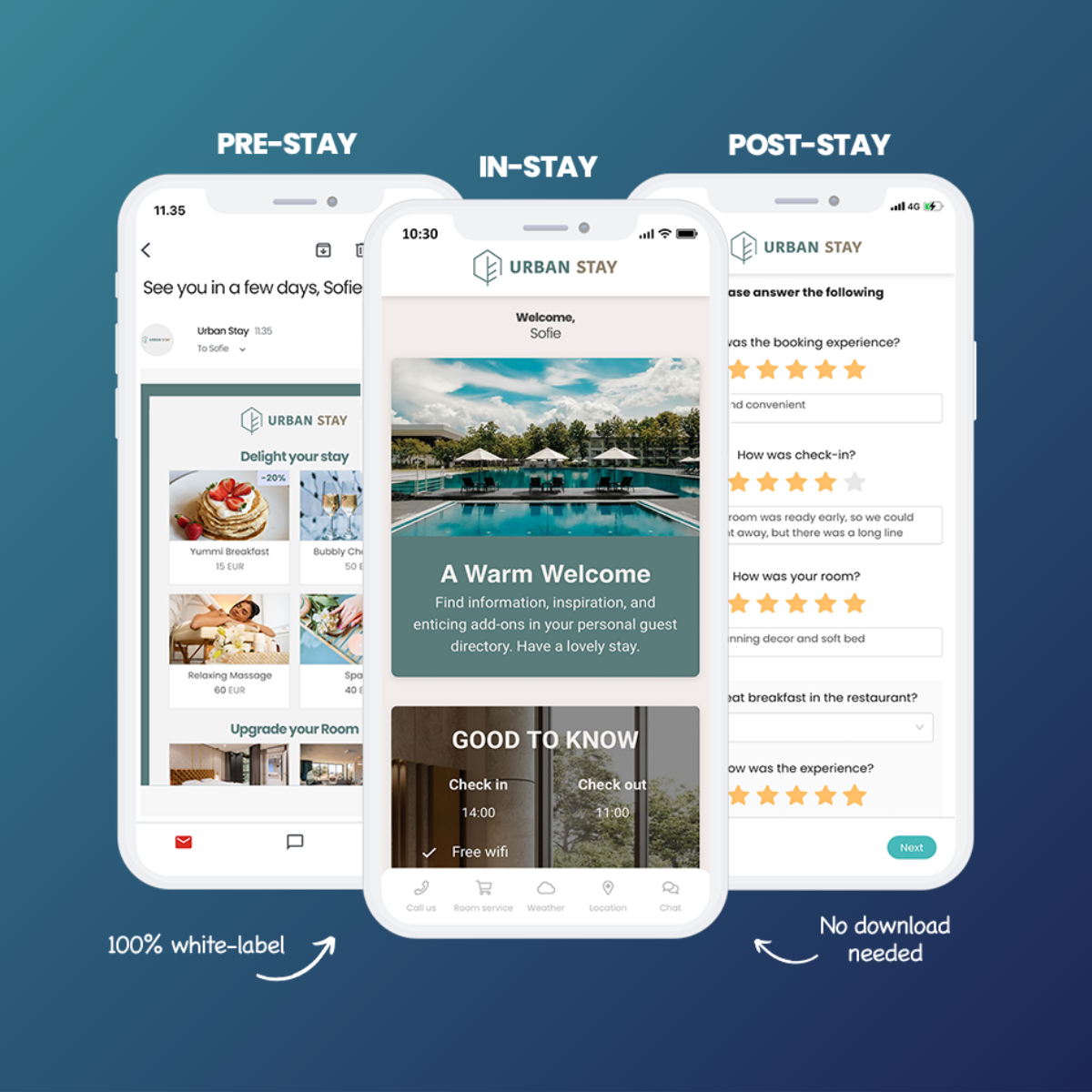
The true goal of the modern PMS is "Hyper-Personalization." By pulling data from every touchpoint—the restaurant, the spa, the room temperature settings, and past stay preferences—the PMS creates a single, living profile for the guest. When a return guest checks in, the system doesn’t just pull up a reservation; it informs the staff that the guest prefers a high-floor room, a specific type of pillow, and a local craft beer in the minibar.
IoT and Sustainability
The PMS is also becoming a critical tool for sustainability. Through IoT integration, the system can autonomously manage energy consumption. When a room is marked "vacant" in the PMS, it communicates with the smart thermostat and lighting systems to enter an energy-saving mode. This not only reduces the carbon footprint of the property but significantly lowers utility overheads, directly impacting the bottom line.
Conclusion: Making the Choice
The selection of a PMS is an existential decision for a modern hotel. Whether a property is a small independent boutique or a large international group, the path forward is clear: the system must be cloud-native, mobile-centric, and built on an open API.
As the digital ecosystem continues to fragment, the ability to connect, automate, and personalize will be the defining difference between hotels that thrive and those that fall behind. The technology is here; the question for hoteliers in 2026 is whether they are ready to evolve their "digital backbone" to meet the future of hospitality.


 Nila Kartika Wati
 Layla Zulfa