Asep Darmawan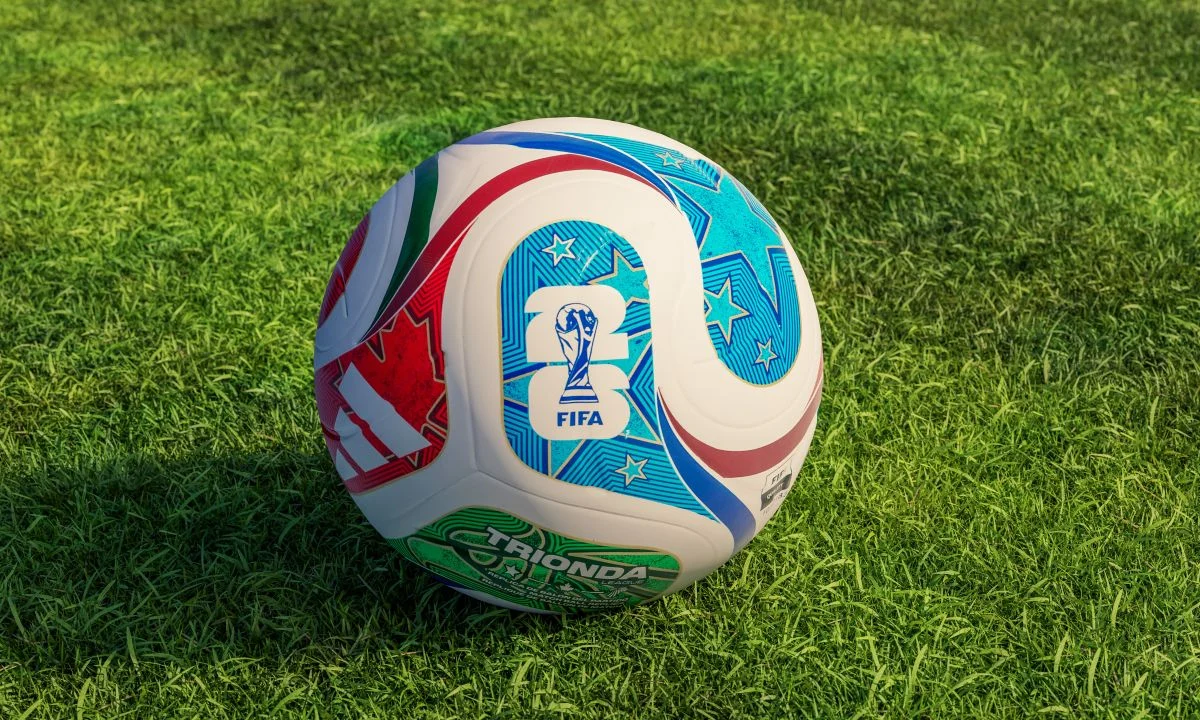
By PYMNTS | June 6, 2026
The FIFA World Cup is historically defined by a monthlong festival of national flags, rhythmic chants, eccentric costumes, and the beautiful irrationality of the global game. Yet, as the clock ticks down to the June 11 kickoff, the 2026 tournament—the most expansive in history—is increasingly resembling a hyper-optimized checkout page designed by an algorithm that views "surge pricing" as its primary love language.
With 104 matches scheduled across the United States, Canada, and Mexico through July 19, the logistical scale is unprecedented. However, fans are discovering that the cost of participation is forcing them to treat their match-day planning with the financial rigor of a corporate procurement department rather than the casual excitement of a sports enthusiast.
The Infrastructure Paradox: Friction in the Machine
From a payments and commerce perspective, the 2026 World Cup was envisioned as a seamless, high-velocity "six-week commerce machine." The infrastructure was designed to facilitate frictionless transactions through airports, hotels, transit systems, and venue concessions.
Major financial players have invested heavily in this vision. Visa, serving as the Official Payment Technology Partner, has integrated payments, art, and small business support into the fan experience. Simultaneously, Bank of America, as FIFA’s Official Bank Sponsor, has bolstered the ecosystem through strategic cardholder promotions and support for "Street Soccer Parks" in every U.S. host city.
The objective was simple: tap, pay, cheer, repeat.
However, the reality on the ground has shifted the narrative to: tap, wince, and verify the invoice. What was meant to be a technological triumph of payment integration is currently struggling against the headwinds of exorbitant ancillary costs. Fans are finding that while the payment method is efficient, the cost of the services being purchased—transit, parking, and lodging—is creating a profound "friction of affordability."
Chronology of a Pricing Crisis
The lead-up to the 2026 tournament has been marked by a series of inflationary shocks that have alienated even the most dedicated supporters.
- Late 2025: Initial reports from The Guardian regarding FIFA-mandated parking pricing began to set a grim tone. Prices for parking at high-stakes matches in venues like Dallas and Boston were listed as high as $175, signaling to fans that the cost of entry would extend far beyond the ticket price.
- Q1 2026: As host cities finalized their transit strategies, the true cost of regional logistics became apparent. The Associated Press reported that transit fares to MetLife Stadium in New Jersey were being priced at $98 for a round-trip ticket—a 760% increase over the standard $12.90 fare.
- April 2026: The American Hotel & Lodging Association (AHLA) released data indicating that 80% of surveyed hotels reported bookings falling short of initial forecasts. The "gouge factor" had backfired, as high prices met with visa complications and geopolitical uncertainty, leading to a surplus of available rooms.
- May 2026: Investigations into ticketing practices gained momentum. Attorneys General in New York and New Jersey initiated probes into FIFA’s variable pricing models following widespread reports of seats for the final match reaching $33,000 on secondary markets.
Supporting Data: The Cost of Participation
The financial burden on the average fan is quantified by the staggering disparity between standard service costs and World Cup-era pricing.
The Transit Toll
The "procurement department" mindset was perfectly illustrated by a group of Scotland supporters, the "Tartan Army." Faced with an $80 train fare for a journey that typically costs $20, these fans bypassed the official transit options entirely. By organizing private school buses at $50 per head, the group saved over $85,000 collectively. This highlights a growing trend where the "official" fan experience is being actively avoided by those with the organizational capacity to find alternatives.
The Hotel Bottleneck
The hospitality sector is currently grappling with a classic supply-and-demand mismatch. While planners expected a massive influx of tourists, the reality of $700-per-night match-day rates has caused a "demand destruction" effect. In many markets, the surge pricing intended to maximize revenue has instead led to occupancy levels that lag behind historical averages for major sporting events.
The Parking Penalty
Parking has become a flashpoint for fan frustration. With prices reaching $175 in some host cities, and tailgating privileges tightly restricted, the parking lot has transitioned from a communal space of pre-game celebration to a high-cost, strictly regulated asset.
Official Responses and Regulatory Scrutiny
The backlash has not gone unnoticed by regulators. The investigation by state Attorneys General into FIFA’s ticketing practices reflects a growing concern over "dynamic pricing" in the age of digital marketplaces. When variable pricing is applied to a cultural touchstone like the World Cup, the perceived lack of transparency can lead to long-term brand damage.
Furthermore, the Federal Trade Commission (FTC) has issued urgent warnings regarding the proliferation of copycat websites and fraudulent ticket sales. As the event approaches, the digital landscape has become a minefield for fans, with bad actors exploiting the high demand and the confusion surrounding official versus unauthorized ticketing channels.
On the financial crime front, the Financial Crimes Enforcement Network (FinCEN) has proactively issued notices to financial institutions in host cities. The agency is calling for heightened vigilance regarding suspicious activity, specifically citing the increased risk of human trafficking associated with large-scale, high-density sporting events.
The "Adjacency" Economy: Beyond the Host Cities
Interestingly, the economic impact of the tournament is bleeding into cities that are not hosting a single match. Washington, D.C., and Orlando are prime examples of the "World Cup Adjacency" strategy.
In Washington, a FIFA World Cup Fan Zone on the National Mall is being integrated into the city’s 250th-anniversary programming, while Orlando is hosting an expansive "Soccer Celebration" featuring screenings of all 104 matches. These cities are effectively hosting the atmosphere of the tournament, capitalizing on the fandom without the logistical burdens of stadium-level security and traffic management. This trend suggests that the future of major events may lie in decentralized, regional celebrations that lower the barrier to entry for fans.
Implications: Can Frictionless Payments Save a Friction-Filled Experience?
The primary takeaway for merchants, sponsors, and host cities as we move toward kickoff is a sobering one: frictionless payments cannot compensate for a friction-filled experience.
While Visa and Bank of America have successfully deployed the plumbing necessary to move money efficiently, the value proposition for the end-user is being eroded by the costs of the services themselves. When every touchpoint—from the subway gate to the parking lot entrance—feels like a toll booth, the "beautiful game" risks being rebranded as an itemized receipt.
The 2026 World Cup will undoubtedly move record-breaking volumes of capital. It will remain a massive, global spectacle that generates significant revenue for the sports-industrial complex. However, the disconnect between the "Official Partner" marketing narrative of smooth, joyful consumption and the "fan experience" of budget-busting logistics serves as a cautionary tale.
For future mega-events, the success of the digital payments infrastructure will be secondary to the integrity of the consumer experience. If host cities and organizers do not address the systemic friction of affordability, they risk turning the most celebrated tournament on Earth into an exclusive event for the few, rather than the global festival it was intended to be. As the tournament begins, the commerce of the 2026 World Cup will be watched as much for its pricing strategy as for its final score.


 Layla Zulfa
 Ammar Sabilarrohman