Raul Delapena Setiawan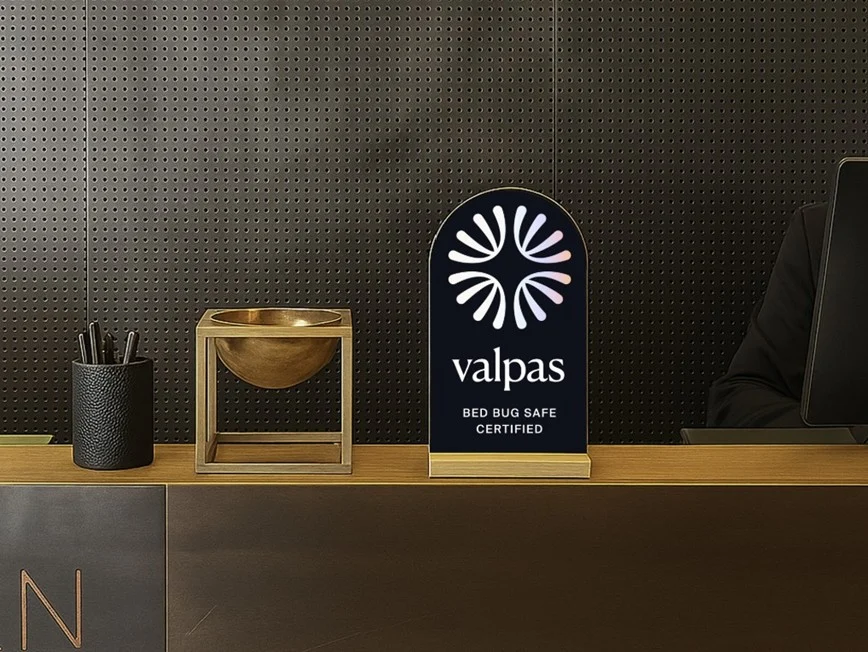
LONDON, 3rd December 2025 — In a landmark development for the global tourism industry, the World Sustainable Hospitality Alliance (the Alliance) has announced that Valpas, the pioneering firm currently establishing the global benchmark for safe and sustainable hotel stays, has officially joined its prestigious network. This strategic partnership signals a shift in the hospitality sector’s approach to guest wellbeing and environmental stewardship, moving beyond traditional operations toward a new paradigm of "pesticide-free" hospitality.
As global tourism rebounds and travelers become increasingly discerning about the hygiene and chemical safety of their accommodations, the collaboration between the Alliance—representing over 8 million rooms worldwide—and Valpas, a leader in bed bug prevention technology, marks a critical intersection of health, sustainability, and technological innovation.
The Core Mandate: A New Global Standard for Safety
At the heart of this partnership is a shared commitment to addressing the dual challenges of pest management and chemical exposure. For decades, the hospitality industry has relied on conventional, often toxic, methods to combat bed bugs, a persistent issue that threatens both guest satisfaction and reputation.
Valpas has disrupted this model by introducing an end-to-end, non-toxic solution. Their system utilizes advanced in-room hardware that proactively prevents bed bug infestations before they can establish themselves. By doing so, Valpas eliminates the need for harsh pesticides, ensuring that hotel rooms remain a sanctuary for guests rather than a source of chemical exposure. This technology provides digital proof of safety, allowing hotels to offer guests a "Certified Bed Bug-Safe" stay—a verification that is rapidly becoming a high-value differentiator in the competitive global market.
Chronology of the Collaboration
The road to this partnership was paved by a growing awareness within the Alliance regarding the environmental impact of chemical maintenance in hotels.
- 2020–2022: The Incubation Period. Valpas begins deploying its patented preventative technology across European markets, proving that hotels could maintain 100% safety without the use of toxic sprays.
- 2023: Market Expansion. As Valpas scales to over 70 destinations, the Alliance begins identifying gaps in the hospitality industry’s "Net Positive" goals, specifically regarding indoor environmental health.
- 2024: Preliminary Dialogue. Preliminary meetings occur between the leadership of the World Sustainable Hospitality Alliance and Valpas, focusing on how technology can bridge the gap between operational efficiency and environmental responsibility.
- December 2025: The Formal Alliance. Both organizations officially announce their partnership, aiming to standardize the "pesticide-free" label as an expected hallmark of sustainable 5-star hospitality.
Supporting Data: The Scale of the Challenge
The urgency of this partnership is underscored by the sheer scale of the global hospitality sector. The World Sustainable Hospitality Alliance represents a massive footprint:
- Total Reach: Over 66,000 hotels worldwide.
- Market Presence: 300+ major hotel brands, including industry titans such as Hilton, Marriott, and IHG.
- Room Inventory: More than 8 million guest rooms under the Alliance’s collaborative influence.
The integration of Valpas’s technology into even a fraction of these properties represents a significant reduction in the global use of harmful biocides. By shifting from reactive pest management—which often involves the localized application of chemicals—to proactive, mechanical prevention, hotels can drastically reduce their chemical footprint, thereby contributing to broader biodiversity goals and improving indoor air quality for millions of travelers annually.
Official Responses: Aligning Purpose with Innovation
The Alliance Perspective
Glenn Mandziuk, President & CEO of the World Sustainable Hospitality Alliance, expressed enthusiasm regarding the potential for widespread adoption. "We are delighted to welcome Valpas to the Alliance," Mandziuk stated. "Their innovative approach to creating safe, pesticide-free stays brings a powerful new dimension to hospitality sustainability. By tackling an often-overlooked issue in guest wellbeing and environmental health, Valpas exemplifies how technology and purpose can combine to create lasting positive impact for both people and the planet."
The Valpas Vision
Martim Gois, Co-founder and CEO of Valpas, highlighted the philosophical alignment between his company and the Alliance’s members. "We are delighted to join the Alliance. The hotel leaders in this community are already redefining what modern hospitality stands for by moving beyond outdated assumptions and taking action where others still hesitate," Gois remarked.
He continued, "By choosing Valpas, the Alliance and its members send a clear signal about the present and future of 5-star hospitality: a standard that no longer plays with avoidable risks, makes no toxic compromises, and extends guest care beyond the stay itself by ensuring they take nothing unwanted home. This is leadership—now visible through a recognizable certification present in hotels and OTAs."
Implications for the Future of Hospitality
1. The Shift to "Net Positive" Hospitality
The World Sustainable Hospitality Alliance is built on the vision of an industry that gives back more than it takes. Traditionally, sustainability has focused on carbon emissions, water usage, and waste management. The inclusion of Valpas broadens the definition of "sustainability" to include the chemical health of the built environment. This is a crucial evolution; if a hotel is "green" but relies on toxic chemicals to maintain hygiene, it fails to meet the highest standards of human and environmental safety.
2. Digital Proof as the New Consumer Expectation
In the digital age, travelers are increasingly demanding transparency. The ability for a hotel to provide "digital proof" of a safe, non-toxic environment is expected to become as common as a star rating. As this certification becomes embedded into Online Travel Agencies (OTAs), hotels that fail to adopt sustainable, non-toxic preventative measures may find themselves at a disadvantage, both in terms of guest trust and brand reputation.
3. Protecting Biodiversity and Guest Wellbeing
The environmental implications are profound. Traditional pesticides used in hospitality can migrate into wastewater systems, impacting local ecosystems. By eliminating the necessity for these chemicals, Valpas helps hotels reduce their chemical runoff, supporting the Alliance’s broader goals of planetary protection. Simultaneously, for the guest, the assurance of a pesticide-free room directly impacts long-term health and wellbeing, particularly for those with chemical sensitivities or families traveling with young children.
A Call for Industry-Wide Adoption
The partnership between the World Sustainable Hospitality Alliance and Valpas serves as a clarion call to the rest of the industry. It proves that the "old way" of doing business—reactive, chemical-heavy, and opaque—is no longer compatible with the expectations of the 21st-century traveler.
As the Alliance continues to drive its agenda of collaborative action, the presence of Valpas within its network will likely accelerate the adoption of non-toxic technologies across its 66,000-hotel portfolio. This is not merely a partnership of convenience; it is a fundamental reconfiguration of the guest experience.
For the modern hotelier, the choice is becoming increasingly clear: to lead with innovation and transparency, or to lag behind in an industry that is rapidly moving toward a safer, cleaner, and more sustainable future. By aligning with the Alliance, Valpas is positioned to transform the "stay" from a simple transaction into a commitment to human health and environmental integrity.
For more information about the World Sustainable Hospitality Alliance and its initiatives, or to learn more about the integration of pesticide-free standards in the hospitality sector, please visit sustainablehospitalityalliance.org.


 Dwi Wanna
 Basiran