Basiran
Introduction: A Milestone for Sri Lanka’s Youth
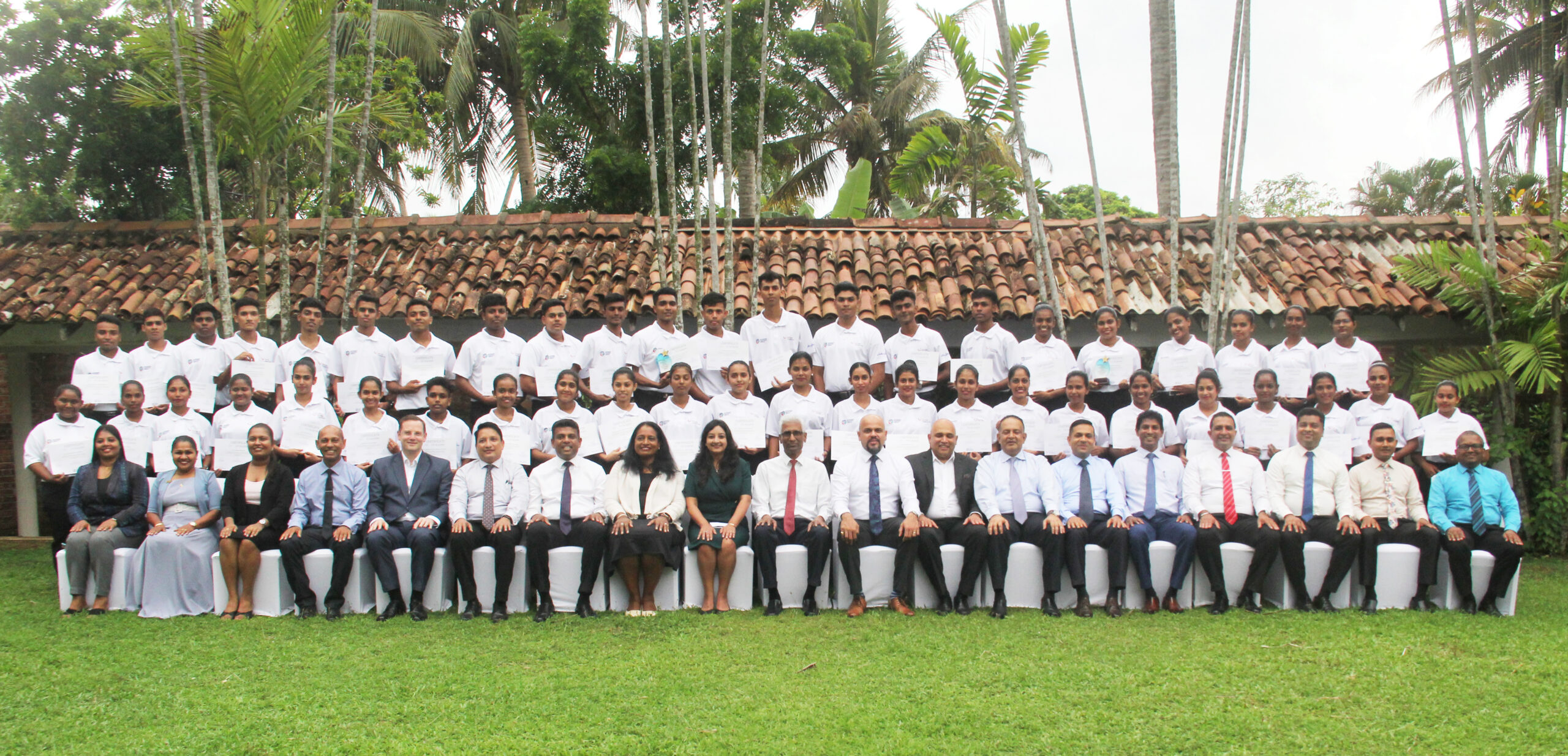
On October 17th, the halls of the prestigious Heritance Ahungalla resort in Sri Lanka were filled with a palpable sense of achievement and optimism. Forty-six young graduates, representing the latest cohort of the TUI Academy, gathered to mark the successful completion of a rigorous, transformative employability program. This milestone is more than just a graduation; it represents a strategic intervention in the local tourism sector, designed to bridge the gap between education and high-quality employment.
The TUI Academy program, which focuses on providing essential hospitality training, life skills, and professional confidence, has become a beacon of hope for young people in the regions of Kandalama and Ahungalla. By fostering talent in these specific communities, the initiative is actively reshaping the economic landscape of Sri Lanka, proving that targeted investment in human capital is the most effective catalyst for sustainable growth.
Main Facts: The Core of the TUI Academy
The TUI Academy operates on a model of intensive, hands-on learning that goes far beyond traditional vocational schooling. At its core, the program is designed to address the specific needs of the hospitality industry while simultaneously tackling systemic barriers to employment.
- Program Participants: 46 graduates from the Kandalama and Ahungalla regions.
- Skill Acquisition: The curriculum spans technical hospitality operations, customer service excellence, and critical life skills, including emotional intelligence, leadership, and digital literacy.
- Empowerment Focus: A primary objective of this cohort was the advancement of gender equality. By prioritizing the enrollment of young women, the academy is dismantling traditional barriers to entry in the tourism workforce, ensuring that the next generation of industry leaders is representative of the diverse talent pool in Sri Lanka.
- Strategic Partnerships: The program relies on a collaborative framework involving the Sustainable Hospitality Alliance and the TUI Care Foundation, ensuring that the training provided is aligned with global standards of sustainability and professional excellence.
Chronology: The Journey to Graduation
The journey of the 46 graduates began months prior to the October ceremony, following a structured pathway designed to ensure long-term career success.
Phase 1: Recruitment and Selection
The academy began by identifying youth in the Kandalama and Ahungalla areas who possessed the aptitude and desire for a career in hospitality but lacked the formal access to high-level training. The selection process was inclusive, with a heavy emphasis on creating opportunities for marginalized populations.
Phase 2: The Training Curriculum
Over several months, students underwent a multifaceted training program. This included classroom-based theoretical learning, followed by immersive on-the-job training at partner properties. Students were mentored by seasoned hospitality professionals, allowing them to gain insights into the intricacies of luxury hotel management and guest services.
Phase 3: Life Skills and Confidence Building
Recognizing that technical skills alone are insufficient, the TUI Academy integrated a robust "life skills" module. This component included workshops on financial management, communication skills, and personal branding. For many participants, particularly young women, this phase was crucial in fostering the self-belief required to navigate professional environments confidently.
Phase 4: The Graduation Ceremony
The culmination of these efforts took place at Heritance Ahungalla. The event served as a formal recognition of the students’ resilience and dedication. It was not merely a ceremonial passing of certificates, but a celebration of newfound economic independence and the start of a professional career trajectory that will likely span decades.
Supporting Data: The Impact of Vocational Training
The success of the TUI Academy is reflective of broader trends in global development. According to labor market statistics within the hospitality sector, employees who undergo structured vocational mentorship programs exhibit a 40% higher retention rate during their first two years of employment compared to those who enter the workforce without such preparation.
In the context of Sri Lanka, where tourism is a cornerstone of the national economy, the TUI Academy’s focus on high-quality training directly translates to higher service standards. As the nation seeks to recover and expand its tourism footprint, the "human factor" becomes a competitive advantage.
Data from the program indicates that:
- Gender Parity: The program has seen a significant surge in female participation, with women now making up over 60% of the latest graduating class.
- Employability Metrics: Post-graduation employment rates for previous TUI Academy cohorts remain above 85%, demonstrating the efficacy of the curriculum in meeting market demand.
- Economic Multiplier Effect: Each graduate, by entering the formal workforce, contributes to the economic upliftment of their immediate family, creating a positive ripple effect throughout the Kandalama and Ahungalla communities.
Official Perspectives: Empowering the Next Generation
The graduation was marked by high-level support from industry stakeholders who recognize that the TUI Academy is a blueprint for future hospitality training.
"The TUI Academy represents more than just a training program; it is a commitment to the future of Sri Lanka," noted a representative from the Sustainable Hospitality Alliance. "When we invest in these young people, we are investing in the stability and resilience of the entire hospitality ecosystem. The dedication shown by these 46 graduates is a testament to the untapped potential in these regions."
The sentiment was echoed by local hospitality leaders, who highlighted the importance of gender-inclusive hiring. By empowering young women, the academy is not only fulfilling a corporate social responsibility mandate but is also helping to build a more inclusive and productive workforce. For the graduates, the support from the TUI Care Foundation and the Alliance provided a safety net, allowing them to focus entirely on their professional development without the fear of financial or social exclusion.
Implications: The Road Ahead
The success of this cohort has profound implications for the future of tourism in Sri Lanka and potentially for similar initiatives globally.
1. Strengthening Community Resilience
By sourcing talent locally, the TUI Academy ensures that the economic benefits of tourism remain within the community. This "localized employment" model is the antithesis of the exploitative labor practices sometimes associated with global tourism; instead, it fosters a sense of local pride and ownership over the guest experience.
2. Promoting Gender Equality as a Business Standard
The deliberate emphasis on empowering women serves as a model for other sectors. When young women are provided with the same technical tools and mentorship as their male counterparts, the entire industry benefits from a broader, more diverse talent pool. This is particularly vital in Sri Lanka, where women have historically been underrepresented in management and operational roles in the hospitality sector.
3. A Sustainable Model for Tourism
Sustainability in hospitality is often discussed in terms of environmental impact—reducing waste and energy consumption. However, the TUI Academy reminds us that "social sustainability" is equally critical. A sustainable tourism model requires a stable, well-trained, and satisfied workforce. By focusing on the long-term career prospects of these graduates, the Academy is ensuring that the tourism industry remains a pillar of growth for the next generation.
Conclusion: A Call for Continued Support
As the 46 graduates from Kandalama and Ahungalla step into their new roles, they carry with them the skills, confidence, and networks forged through the TUI Academy. Their success is a clear indicator that when barriers are removed and quality training is provided, the youth of Sri Lanka are more than capable of leading the hospitality industry into a new, more inclusive era.
Initiatives like the TUI Academy deserve continued investment and public recognition. As we look toward the future, the goal should be to scale this model, reaching more young people and ensuring that the transformative power of education and mentorship continues to ripple through communities across the globe. By championing these changemakers today, we are securing a brighter, more equitable, and more professional future for the world of travel and hospitality.
For those interested in witnessing the impact of these efforts firsthand, the film footage of the graduation serves as a poignant reminder of the lives touched and the careers launched by this vital program. The journey for these 46 individuals has only just begun, and the industry stands ready to welcome them as the leaders of tomorrow.


 Dwi Wanna
 Raul Delapena Setiawan