Rifan Muazin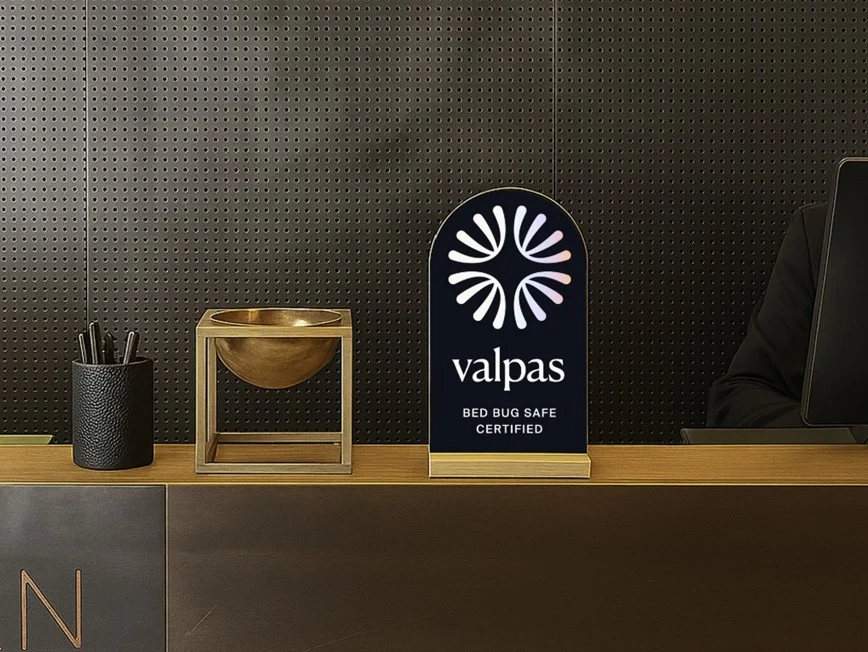
LONDON, 3rd December 2025 — In a landmark move for the global travel sector, the World Sustainable Hospitality Alliance (the Alliance) has officially announced that Valpas, the pioneer in proactive, chemical-free hotel safety technology, has joined its prestigious network. This strategic partnership marks a significant evolution in how the hospitality industry perceives the intersection of guest wellness, environmental stewardship, and operational excellence.
By integrating Valpas—a company that has successfully established a new global benchmark for bed bug-safe and pesticide-free accommodation—the Alliance is signaling a shift toward a more transparent, technology-driven approach to sustainability. As travel volumes continue to rebound to record levels, this collaboration aims to address a critical, often neglected facet of the guest experience: the eradication of toxic chemical reliance in pest management.
The Core Mandate: A New Paradigm for Hospitality
The core of this partnership rests on a shared vision: moving the industry toward a "Net Positive" impact. For decades, the hospitality sector has struggled with the management of bed bugs, often relying on reactive, heavy-handed chemical treatments. These pesticides not only pose potential health risks to guests and hotel staff but also contribute to the degradation of local biodiversity.
Valpas has disrupted this cycle by introducing a proprietary, passive technology—an in-room device that captures bed bugs before they can establish an infestation. This allows hotels to maintain a "Certified Bed Bug-Safe" status without ever resorting to toxic chemicals. Through this certification, Valpas provides digital proof of safety, offering travelers unprecedented peace of mind. With over 300 certified properties already operating across 70 international destinations, the company is rapidly scaling its impact, ensuring that the modern traveler can rest without fear of pests or exposure to hazardous substances.
Chronology of an Industry Shift
The journey toward this partnership reflects a broader evolution in consumer and industry priorities:
- 2020–2022: The post-pandemic landscape forced a global re-evaluation of hygiene standards. While focus was heavily weighted toward sanitation, the underlying systemic issues of pest management remained largely reliant on outdated, chemical-based protocols.
- 2023: Valpas gained significant traction as a "hidden" luxury service, adopted by boutique hotels and major chains alike who recognized that the true luxury of a 5-star experience is the absence of anxiety regarding sleep quality.
- 2024: The "Chemical-Free" movement gained momentum, driven by ESG (Environmental, Social, and Governance) reporting requirements. Hotels began looking for ways to reduce their carbon footprint, including the reduction of indoor pesticide use, which is a major contributor to poor indoor air quality.
- December 2025: The formal induction of Valpas into the World Sustainable Hospitality Alliance marks the transition of "Pesticide-Free" from a niche service to a recognized component of sustainable hotel management.
Supporting Data: Why This Partnership Matters
The hospitality industry currently oversees a massive global footprint. The Alliance represents a portfolio of over 66,000 hotels across 300 brands, comprising more than 8 million rooms. When such a massive ecosystem pivots its standards, the environmental implications are profound.
1. Environmental Impact
Traditional pest control involves the prophylactic use of neurotoxic insecticides. By shifting toward the mechanical, passive trapping technology pioneered by Valpas, hotels can eliminate the carbon footprint associated with the manufacturing, shipping, and application of these chemicals. Furthermore, it protects the local micro-ecosystems surrounding hotels from chemical runoff.
2. Guest Wellness and Trust
Data suggests that the "bed bug anxiety" factor significantly impacts traveler behavior. In a digital-first world, travelers rely on reviews and certifications. Valpas’s digital proof of safety provides a transparent data point that helps hotels build trust, reducing the cost of customer acquisition and increasing guest retention.
3. Operational Efficiency
Reactive pest management is notoriously expensive and disruptive. A single infestation can force a room to close for days, lead to expensive professional fumigation, and cause irreparable damage to a brand’s reputation. Valpas’s preventative model acts as an insurance policy, safeguarding assets and revenue streams.
Official Perspectives: Aligning Vision with Action
The collaboration is underpinned by a mutual respect for innovation and sustainability.
Glenn Mandziuk, President & CEO of the World Sustainable Hospitality Alliance, commented:
"We are delighted to welcome Valpas to the Alliance. Their innovative approach to creating safe, pesticide-free stays brings a powerful new dimension to hospitality sustainability. By tackling an often-overlooked issue in guest wellbeing and environmental health, Valpas exemplifies how technology and purpose can combine to create a lasting, positive impact for both people and the planet."
Martim Gois, Co-founder & CEO of Valpas, added:
"We are delighted to join the Alliance. The hotel leaders in this community are already redefining what modern hospitality stands for by moving beyond outdated assumptions and taking action where others still hesitate. By choosing Valpas, the Alliance and its members send a clear signal about the present and future of 5-star hospitality: a standard that no longer plays with avoidable risks, makes no toxic compromises, and extends guest care beyond the stay itself by ensuring they take nothing unwanted home."
Implications for the Future of Global Travel
The inclusion of Valpas in the Alliance serves as a template for how specialized technology partners can integrate into the broader sustainability agenda. The implications of this move are multi-faceted:
1. Standardization of "Safe Stays"
With the backing of the Alliance, it is expected that the "Certified Bed Bug-Safe" label will become a standard filter on Online Travel Agencies (OTAs). This creates a market-driven incentive for hotels to adopt sustainable pest management, effectively forcing the laggards of the industry to modernize or risk losing their competitive edge.
2. A New Pillar of ESG Reporting
For the hotel groups within the Alliance—including giants such as Hilton, Marriott, and IHG—the partnership provides a tangible metric for their ESG reports. Reducing chemical usage within rooms directly contributes to "S" (Social – guest health) and "E" (Environmental – chemical elimination) goals.
3. Transforming the "Invisible" Guest Experience
Hospitality has historically focused on the visible: thread counts, lobby design, and culinary quality. The Valpas integration brings the "invisible" to the forefront. A sustainable hotel is not just one that uses LED lights or low-flow showerheads; it is a space where the air is pure, the environment is non-toxic, and the guest’s peace of mind is treated as a core asset.
4. Collaborative Action at Scale
The Alliance’s strength lies in its network of over 100 partners and its massive inventory of 8 million rooms. As these properties begin to phase out chemical treatments in favor of mechanical, tech-enabled safety, the cumulative reduction in chemical pesticide use will be significant. This creates a "network effect" where sustainability becomes the path of least resistance for hotel operators.
Conclusion: A New Era of Hospitality
The partnership between the World Sustainable Hospitality Alliance and Valpas is more than just a corporate announcement; it is a clarion call for the industry to abandon antiquated, harmful practices in favor of smarter, data-driven, and truly sustainable solutions.
As we move through 2026 and beyond, the hospitality sector will be judged not just by the luxury of its offerings, but by the integrity of its standards. By prioritizing guest safety through chemical-free innovation, the Alliance and Valpas are setting a benchmark that will likely define the future of the global travel industry.
For guests, this means the end of the "pest lottery" when booking a room. For the planet, it means a cleaner, more respectful approach to facility management. And for the industry, it represents a bold step toward the goal of a Net Positive future—one where every stay is a contribution to a better, safer world.
For more information about the World Sustainable Hospitality Alliance and its initiatives, visit sustainablehospitalityalliance.org.

 Layla Zulfa
 Dwi Wanna