Neng Nana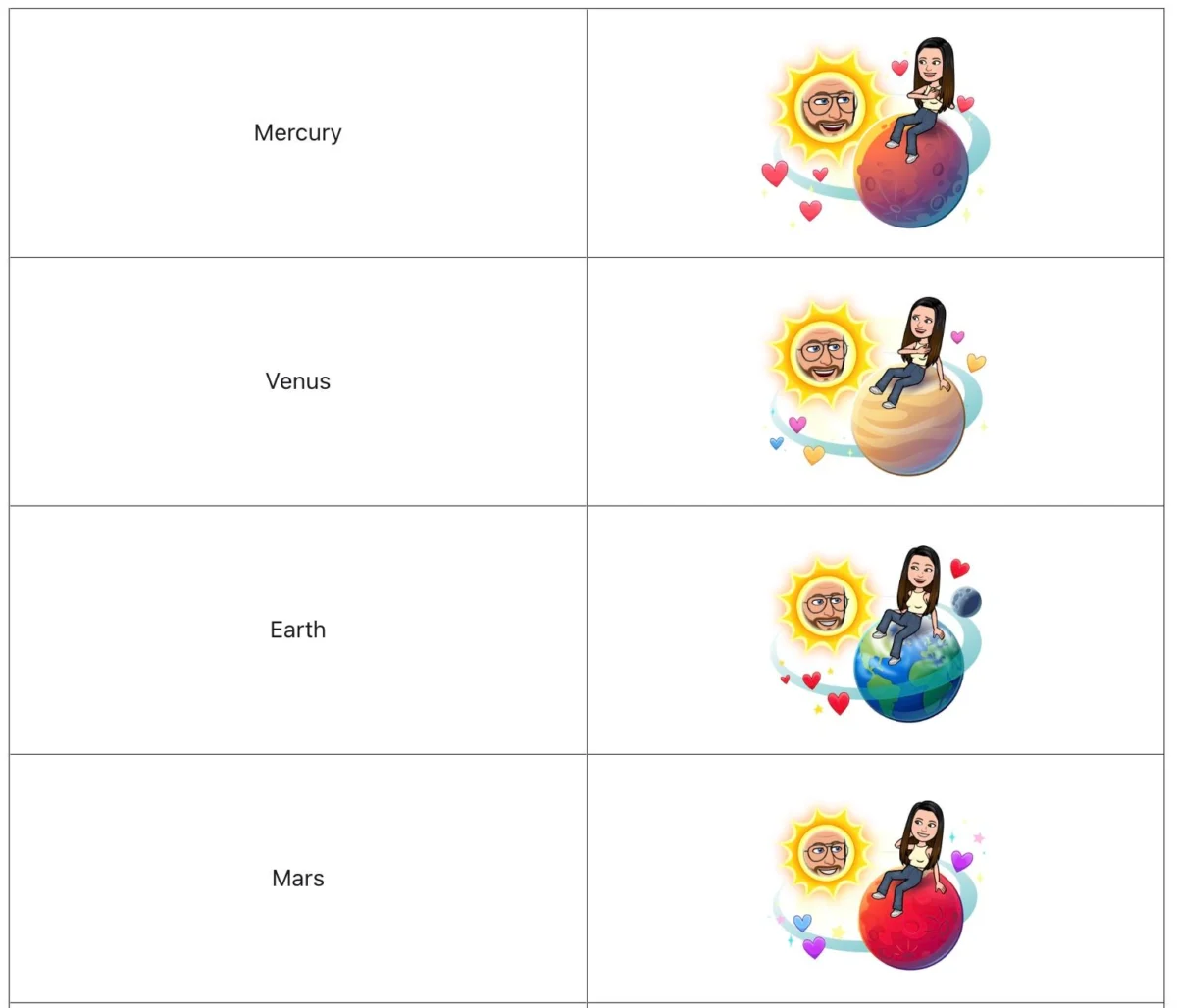
In the sprawling, gamified ecosystem of Snapchat, where "Streaks," "Snap Scores," and cryptic emoji indicators define digital intimacy, one feature has risen above the rest to stir both curiosity and controversy: the Friend Solar System, colloquially known as "Snapchat Planets."
As a premium offering exclusive to Snapchat Plus subscribers, this feature transforms the abstract data of your interaction frequency into a tangible, astronomical hierarchy. While it provides a fascinating look at the digital dynamics of your social circle, it also introduces a new layer of psychological complexity to how we perceive our friendships in the digital age.
The Genesis of the Friend Solar System: Main Facts
At its core, the Snapchat Planets feature is an aesthetic and analytical overlay that visualizes your standing within a specific friend’s social orbit. When the feature is active, your friend serves as the "Sun" of their own personal solar system, while you are assigned a planet based on your rank within their "Best Friends" list.
The hierarchy is straightforward, borrowing its nomenclature from our own solar system:
- Mercury: You are their #1 Best Friend.
- Venus: You are their #2 Best Friend.
- Earth: You are their #3 Best Friend.
- Mars: You are their #4 Best Friend.
- Jupiter: You are their #5 Best Friend.
- Saturn: You are their #6 Best Friend.
- Uranus: You are their #7 Best Friend.
- Neptune: You are their #8 Best Friend.
It is important to note that the system excludes Pluto, mirroring the real-world astronomical decision made by the International Astronomical Union in 2006. If you appear as a planet in someone’s solar system, it confirms you are within their top eight most-interacted-with contacts. If you do not see a planet, you likely fall outside that specific tier of their social graph.

Chronology and Evolution of the Feature
Snapchat Plus was introduced in mid-2022 as a subscription-based tier designed to give power users access to experimental, pre-release, and exclusive features. The Friend Solar System was one of the platform’s early "hook" features, intended to differentiate the paid experience from the standard, free version of the app.
Initially, the feature was enabled by default for all subscribers, leading to widespread social media discourse. Users often found themselves surprised—or offended—by their standing in a partner’s or friend’s rankings. The feature became a flashpoint for "social anxiety" discussions on platforms like TikTok and X (formerly Twitter), where users shared screenshots of their "Mercury" status as a badge of honor, or their lack of status as a point of contention.
In response to feedback regarding user control and privacy, Snapchat updated the feature’s architecture. As of recent updates, the Friend Solar System is now off by default for first-time subscribers. This represents a significant shift in Snapchat’s philosophy: moving away from a "surprise-and-delight" model toward a "control-and-consent" model, ensuring that users must actively opt-in to participate in the ranking system.
Supporting Data: Understanding the Mechanics
To interpret your position accurately, one must understand the difference between the "Best Friends" badge and the general "Friends" badge.
Best Friends vs. Standard Friends
A "Best Friends" badge (identified by a gold ring) indicates a reciprocal relationship. This means that both you and the person you are viewing are in each other’s top-tier interaction lists. It signifies a high volume of reciprocal communication, such as shared Snaps, consistent messaging, and frequent engagement with Stories.

A "Friends" badge, by contrast, implies a non-reciprocal or asymmetric relationship. You might be in their top eight (the Solar System), but they may not be in yours. This nuance is critical for users to grasp, as it prevents the misinterpretation of digital data as a measure of emotional depth. The ranking is strictly algorithmic, based on frequency of interaction, not the quality or sentiment of the relationship.
How to Access the Data
For those with an active Snapchat Plus subscription, accessing the data is a simple process:
- Open the App: Navigate to the "Chat" screen.
- Select a Profile: Tap on the Bitmoji or name of the friend you wish to investigate.
- Locate the Badge: If they are in your "Best Friends" list or vice versa, look for the badge with the gold ring.
- Tap the Badge: A pop-up will appear displaying your specific planet in their solar system.
If the badge does not appear, it is either because you are not in that person’s top eight, or because the feature has not been enabled in the settings.
Official Responses and Privacy Considerations
Snapchat has maintained a relatively consistent stance on the purpose of the Friend Solar System. According to official documentation, the feature is intended to be a "fun, interactive way to celebrate your close friendships." The company has emphasized that the data is purely a reflection of interaction frequency and should not be taken as a definitive metric of social worth.
The move to turn the feature off by default was a direct response to the "implication of hierarchy" that some users found uncomfortable. By allowing users to toggle the feature on or off via the Snapchat Plus management page, the company has effectively mitigated some of the privacy concerns regarding whether a user wants to know their standing, or whether they want their friends to know that they have access to such data.

The company has also clarified that viewing your planet does not reveal the entire list to you. You can only see your own position in relation to the "Sun" (your friend). You cannot view the full, granular list of who else is in their solar system, which preserves a degree of privacy for the other individuals involved.
The Implications: Why We Care
The existence of Snapchat Planets touches upon a broader phenomenon in social media psychology: the "quantification of intimacy."
The Gamification of Friendship
By turning a friendship into a ranking system, Snapchat has gamified the social experience. For younger demographics, specifically Gen Z, these badges and rankings can become significant social currency. Achieving "Mercury" status is often treated as a milestone in romantic or platonic relationships, while "falling out of orbit" (dropping from the top eight) can be perceived as a genuine social slight, regardless of how trivial the algorithm might be.
The Dangers of Algorithmic Perception
The primary risk associated with this feature is the potential for misunderstanding. A user might assume that their position in a friend’s solar system is a static reflection of the friendship’s strength. However, the algorithm is dynamic. It fluctuates based on recent activity, travel, temporary group chats, and the frequency of photo sharing. A person who is busy with work or school for a week may naturally slide from "Mercury" to "Venus" or "Earth" simply due to a lull in communication.
Digital Transparency vs. Social Friction
On one hand, the feature provides a sense of belonging and "insider" status. It reinforces the bond between two users who frequently interact. On the other hand, it introduces potential for social friction. When users can see their exact ranking, it invites comparison. If a user discovers they are "Neptune" while a mutual friend is "Mercury," it can foster insecurity or jealousy—emotions that were previously hidden by the opacity of social interactions.

Conclusion: A Tool for Fun, Not a Final Verdict
The Snapchat Friend Solar System remains one of the most polarizing features in the app’s history. It is a masterful piece of interface design that leverages the natural human desire for status and clarity in relationships.
For the casual user, it is a playful way to visualize the "bestie" status they already know exists. For the more analytical user, it provides a fascinating, albeit imperfect, look at how the Snapchat algorithm views their social network.
As Snapchat continues to refine its Plus subscription model, the "Planets" feature serves as a reminder that as our social lives migrate increasingly into digital spaces, the tools we use to manage those lives will continue to influence how we feel about the people we interact with. Whether you treat it as a fun novelty or a serious metric, the most important takeaway is that your planet position is a calculation, not a commitment. Use the feature, enjoy the gamification, but remember that the most important parts of a friendship rarely take place in a solar system of digital icons.


 Lina Hope
 Jia Lissa