Lina Irawan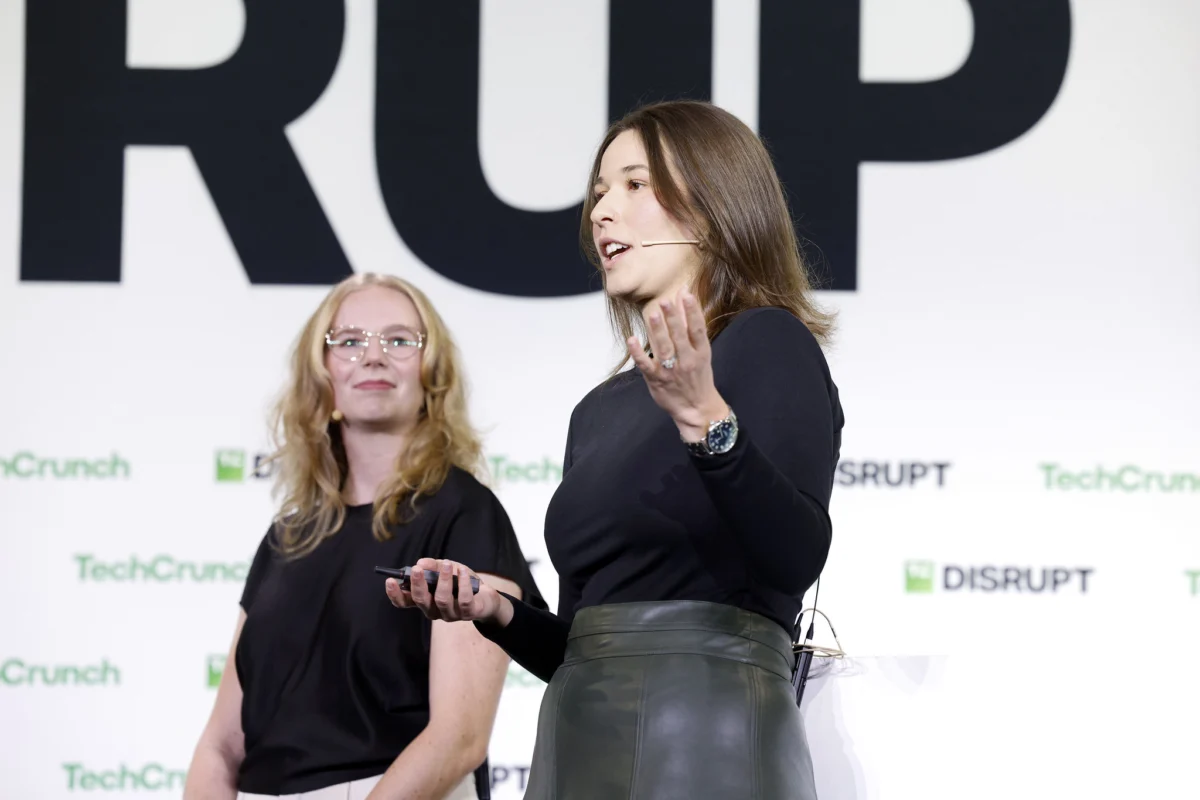
The air in San Francisco’s Moscone Center was thick with anticipation this week as the culmination of the 2026 TechCrunch Disrupt arrived. After three days of high-stakes presentations, intense technical scrutiny, and rigorous vetting by some of the most influential minds in venture capital, the Startup Battlefield has crowned its latest champion.
Out of a competitive pool of 20 finalists—hand-selected from the wider Startup Battlefield 200—Denver-based Intero Biosystems emerged victorious. The biotech startup secured the coveted Startup Battlefield Cup and a $100,000 equity-free cash prize, cementing its status as one of the most promising ventures in the current technological landscape.
The Crucible: A Chronology of the 2026 Battlefield
The journey to the finale was not for the faint of heart. The Startup Battlefield 200 represents a global cross-section of early-stage innovation, spanning sectors from aerospace and deep-tech to healthcare and cybersecurity. The final 20 contenders were tasked with presenting live demonstrations that moved beyond mere slides, requiring them to prove the functional viability of their products under the gaze of discerning industry experts.
The Selection Process
Following hours of private deliberation, TechCrunch editors and industry veterans whittled the field down to a "Final Five." This shortlist represented the most significant potential for market disruption:
- Apate: A cybersecurity firm deploying AI agents to bait fraudsters.
- Flox Intelligence: A predictive analytics company focused on complex operational systems.
- Intero Biosystems: A biotech innovator developing lab-grown human intestinal tissue.
- Industrial Next: A company revolutionizing manufacturing through automated, flexible production lines.
- Satlyt: A data-driven platform providing real-time environmental and infrastructure insights.
The Grand Finale
The final five took the stage to pitch a panel of elite judges, including Alexa von Tobel (Inspired Capital), Chi-Hua Chien (Goodwater Capital), Dayna Grayson (Construct Capital), Karl Alomar (M13), and Stacy Brown-Philpot (Cherryrock Capital). The panel evaluated the startups on scalability, market necessity, technical defensibility, and the clarity of their business models. By the end of the session, the consensus was clear: Intero Biosystems offered a solution to a long-standing pharmaceutical bottleneck that was too significant to ignore.
Winner Spotlight: Intero Biosystems
Intero Biosystems, founded by Charlie Childs and Madeline Eiken, is a direct byproduct of research spun out of the University of Michigan. The startup is tackling the high-stakes world of drug development by addressing one of the industry’s most persistent challenges: the inaccuracy of animal testing.
The Science of "Mini-Guts"
Intero’s flagship product, GastroScreen, centers on the production of 1 mm human intestinal organoids. These are essentially lab-grown, miniature tissues that biologically mimic the functionality of the human gut. By utilizing these organoids, pharmaceutical and biotech companies can test the efficacy and toxicity of compounds in a human-like environment before moving to costly, time-consuming, and often ethically complex clinical trials.
The implications for the industry are profound. Current drug discovery processes often fail in late-stage clinical trials because animal models do not perfectly replicate human biological responses. Intero’s platform serves as a "fail-fast" mechanism, allowing companies to discard ineffective or dangerous compounds early in the development cycle, potentially saving billions of dollars and years of development time.
Runner-Up: The Rise of Apate
While Intero Biosystems took the top prize, the runner-up, Apate, captured significant attention for its proactive approach to digital security. Founded by Dali Kaafar, a researcher from Macquarie University in Sydney, Apate is weaponizing AI against the growing epidemic of digital fraud.
Apate deploys an army of AI-driven agents that actively "masquerade" as potential scam victims. These agents engage with fraudsters in real-time—answering calls, clicking phishing links, and joining illicit social media groups—to map the infrastructure behind scam operations. The result is a robust intelligence portal that allows companies to gain unprecedented visibility into how their brands and employees are being targeted, turning the tables on criminal actors.
The Legacy of Startup Battlefield
The victory of Intero Biosystems and the success of Apate place them among an elite cohort of alumni. The Startup Battlefield stage has historically served as a launchpad for companies that have redefined the modern economy. Previous winners and notable participants include industry giants such as Trello, Discord, Cloudflare, and Mint.
Supporting Data: The Power of the Battlefield
The statistics regarding the program’s efficacy are staggering. Since its inception, more than 1,700 companies have participated in the Startup Battlefield program. Collectively, these alumni have:
- Raised over $30 billion in follow-on venture capital and growth funding.
- Achieved more than 200 successful exits, ranging from high-profile IPOs to strategic acquisitions by global tech conglomerates.
- Maintained a high survival rate, with a significant percentage of participants continuing to operate as dominant players in their respective verticals years after their initial appearance.
Implications for the Tech Ecosystem
The dominance of biotech and AI-driven cybersecurity in this year’s finale highlights a broader trend in the venture capital world. Investors are moving away from speculative, growth-at-all-costs models and are increasingly gravitating toward "deep-tech" solutions that address fundamental inefficiencies in global industries.
The Shift Toward Deep-Tech
Intero Biosystems’ win suggests that the "bio-revolution" is accelerating. As the intersection of biology and engineering becomes more sophisticated, the ability to replicate human biological systems in vitro is becoming the gold standard for medical innovation. Similarly, Apate’s success underscores that in an era of generative AI, the most effective defense is a proactive, AI-native security architecture.
What’s Next for the Finalists?
For Intero Biosystems, the $100,000 prize and the "Battlefield Winner" title are more than just accolades; they serve as a powerful signal to the investment community. Such validation often acts as a catalyst for Series A funding rounds, allowing the company to scale its GastroScreen production and broaden its partnerships with major chemical and food companies beyond the pharmaceutical sector.
For the judges and the broader TechCrunch Disrupt audience, the 2026 competition served as a reminder that even in a volatile economic climate, innovation remains the primary engine of value creation.
Conclusion
As the curtains close on TechCrunch Disrupt 2026, the industry is left with a clear picture of the future. The startups that walked the stage this week were not just presenting ideas; they were presenting infrastructure for the next decade of human progress. From the microscopic study of human biology to the high-level defense of our digital borders, the Battlefield winners have set a high bar.
Intero Biosystems’ victory is a testament to the power of specialized, research-backed innovation. By solving a fundamental problem in drug development, they have not only won a competition but have positioned themselves as a critical node in the global healthcare supply chain. As we look toward 2027, the success of this year’s cohort serves as a roadmap for the next generation of founders: identify a systemic failure, apply cutting-edge technology to solve it, and prepare to scale in the face of intense global scrutiny.
The Startup Battlefield remains, as ever, the definitive proving ground for the companies that will build the world of tomorrow.

 Evan Lee Salim
 Nila Kartika Wati