Nana
Nana
In a stark illustration of the growing friction between software security patching and formal vulnerability disclosure, Nextcloud administrators are currently grappling with the aftermath of a critical remote code execution (RCE) vulnerability. Tracked as CVE-2026-110447, the flaw resides within the "Collabora Online – Built-in CODE Server" app (richdocumentscode). While a patch has been available for weeks, the delay in formalizing the vulnerability documentation left thousands of servers exposed, allowing threat actors to compromise infrastructure, deploy webshells, and harvest sensitive data.
The incident has ignited a heated debate regarding the sustainability of the current CVE (Common Vulnerabilities and Exposures) pipeline, which is struggling to keep pace with the sheer volume of vulnerabilities being discovered—and exploited—in the era of AI-assisted development and automation.
The Mechanics of the Breach
The vulnerability, CVE-2026-110447, affects the mechanism used by the richdocumentscode app to initialize the bundled Collabora server. Specifically, the flaw exists within the application’s proxy.php endpoint.
Security researchers and incident reports indicate that the vulnerability allows for unauthenticated OS command injection. A critical prerequisite for successful exploitation is that the built-in CODE server must be in a "stopped" state—a condition frequently triggered by server restarts, system updates, or application crashes. Because the attack requires no authentication or user interaction, it provides an ideal vector for automated scanners and botnets to gain a foothold on vulnerable Nextcloud instances.
Once an attacker successfully triggers the command injection, they gain the ability to execute arbitrary commands with the privileges of the web server user. Reports from affected administrators—many of whom took to community forums as early as September 10—detail a consistent post-exploitation playbook. Attackers have been observed deploying sophisticated PHP webshells to maintain persistent access. Once inside, these actors systematically scour the compromised environment for high-value targets, including password databases, password manager configuration files, and digital cryptocurrency wallets. There have also been unverified reports suggesting that ransomware operators have leveraged this access to encrypt server data, though independent confirmation of such campaigns remains pending.

Chronology of a Disclosed Secret
The timeline of CVE-2026-110447 highlights a dangerous "window of exposure" that persists in the open-source ecosystem.
- September 9, 2026: Collabora maintainers silently commit the security fix to the codebase.
- September 11, 2026: Version 26.4.303 is released, containing the silent patch.
- Mid-September 2026: The first wave of exploitation begins. Administrators report anomalous activity on endpoints, unaware that a patch exists.
- October 3, 2026: A community warning is posted on the official Nextcloud forums, urging users to update "ASAP" due to active exploitation, despite the lack of a formal CVE.
- October 14, 2026: The formal security bulletin, GitHub advisory, and CVE-2026-110447 are finally published.
This four-week gap between the release of the patch and the publication of the CVE is the focal point of the current controversy. During this time, administrators who rely on automated vulnerability scanners or standard threat intelligence feeds were left in the dark, as their systems did not flag the richdocumentscode app as vulnerable.
The "Second Security" Study: A System Under Strain
The delay surrounding this incident is not an isolated event. Recent research from the cybersecurity firm Second Security suggests that this gap is part of a growing, systemic trend.
In their analysis of open-source vulnerability lifecycles, researchers found that the median interval between a public code fix and the publication of a corresponding CVE has ballooned from just 5.1 days in January 2026 to over 39 days by August.
The report points to two primary drivers behind this alarming trend:
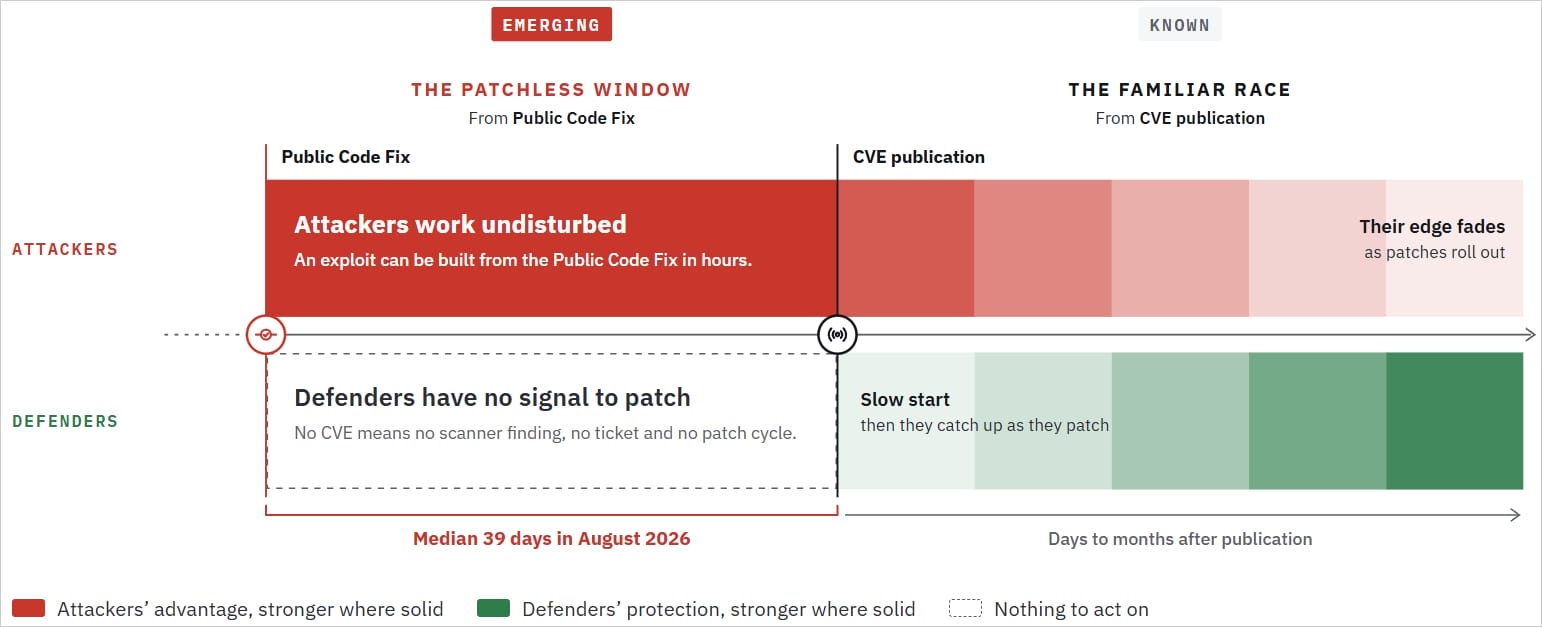
- AI-Assisted Discovery: The rise of AI-driven vulnerability research has significantly increased the volume of security flaws reported to maintainers. This "flood" of data is overwhelming the administrative bandwidth of CVE Numbering Authorities (CNAs) and the central GitHub security advisory processing teams.
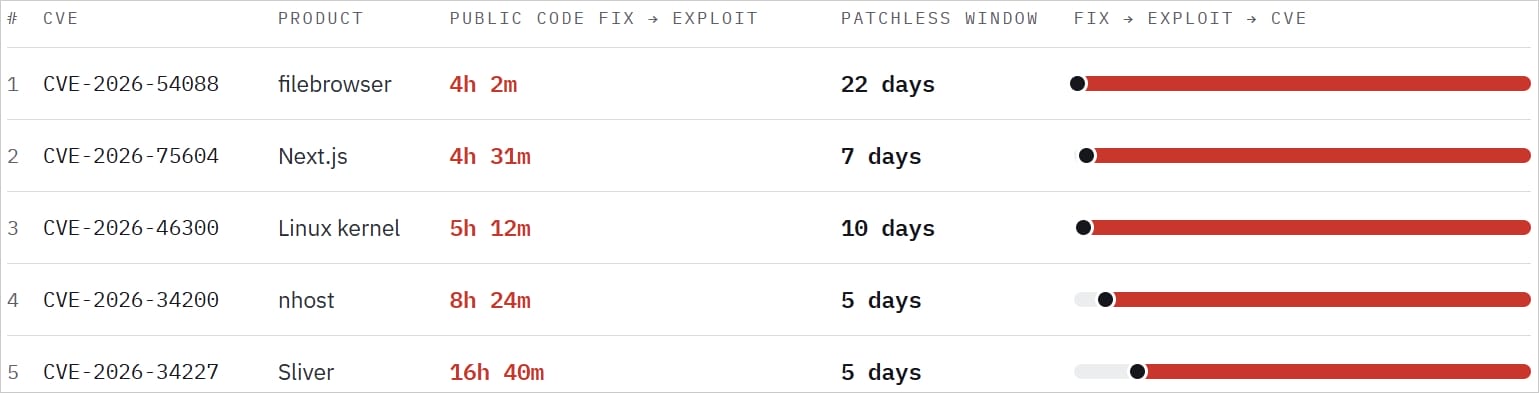
- The "Patch-to-Exploit" Gap: Perhaps more concerning is the ease with which threat actors can now reverse-engineer patches. Using AI-assisted tools, attackers can analyze a code commit within hours of its publication, identify the logic error that was corrected, and craft a working exploit. In many instances observed by Second Security, functional exploit code appears on the dark web or public repositories days before a CVE is ever assigned, leaving defenders at a permanent disadvantage.
Official Responses and Justifications
When questioned regarding the disclosure timeline, stakeholders involved in the Nextcloud ecosystem provided varied perspectives on why the information was withheld for so long.
Nextcloud representatives noted that they were informed of the vulnerability by Collabora in mid-September and immediately pushed the update to their app store. They argued that by not issuing a widespread "security alert" immediately, they hoped to minimize public awareness until the majority of users had the opportunity to patch their systems—a strategy known as "silent patching." They further stated that, based on their internal telemetry, they did not observe "widespread" exploitation during the early weeks of the release, though this contrasts sharply with the reports filed by administrators on community boards.
Collabora, in a blog post released shortly after the CVE publication, cited the "GitHub CVE-processing backlog" as a primary factor. They claimed that the sheer volume of security reports, exacerbated by AI-driven analysis, created a bottleneck that delayed the formal assignment of the CVE. The vendor maintained that their priority was providing a functional fix, which was made available via the app store as soon as it was ready.
Implications for Modern Security
The situation surrounding CVE-2026-110447 serves as a cautionary tale for organizations relying on open-source infrastructure. It highlights the inherent danger in trusting "standard" security processes during an era of high-speed, AI-driven exploitation.
1. The Death of "Wait and See"
For years, many enterprise IT departments operated on a cycle of waiting for formal CVE alerts before prioritizing patches. This strategy is now obsolete. The delay in this instance proves that a vulnerability can be actively exploited for weeks before it is officially recognized by industry standards. Security teams must now shift to a model of "proactive monitoring," where code commits and security-related updates are tracked in real-time, regardless of whether a formal CVE has been issued.
2. The Vulnerability of "Optional" Components
A recurring theme in recent breaches is the compromise of secondary or optional application components. Many administrators ensure the core Nextcloud platform is updated but neglect plugins or "built-in" apps like the CODE server. This incident serves as a stark reminder that every component—especially those that interface with the OS or proxy requests—is a potential entry point.
3. Recommendations for Administrators
To defend against similar threats, security professionals should implement the following best practices:
- Immediate Patching: Do not wait for formal CVE notifications. If an app update is available—especially one described as a "security update" in the changelog—it should be deployed immediately.
- App Auditing: Periodically audit the list of installed apps. If an optional app, such as the built-in CODE server, is not actively used, it should be removed entirely rather than simply disabled.
- Log Monitoring: Regularly inspect server logs for anomalous entries, particularly those hitting
proxy.phpor similar endpoints, which are common targets for command injection attacks. - Defense-in-Depth: Ensure that Nextcloud instances are isolated from sensitive data sources, such as password managers, using robust firewall rules and limited user permissions to prevent lateral movement in the event of a successful breach.
As the industry grapples with the fallout of CVE-2026-110447, the consensus among experts is clear: the speed of disclosure must catch up to the speed of exploitation. Until the CVE pipeline is modernized to handle the influx of AI-assisted vulnerability reporting, the burden of defense rests squarely on the shoulders of the administrators, who must move faster than the attackers to keep their digital borders secure.


 Lina Hope
 Pevita Pearce