Rifan Muazin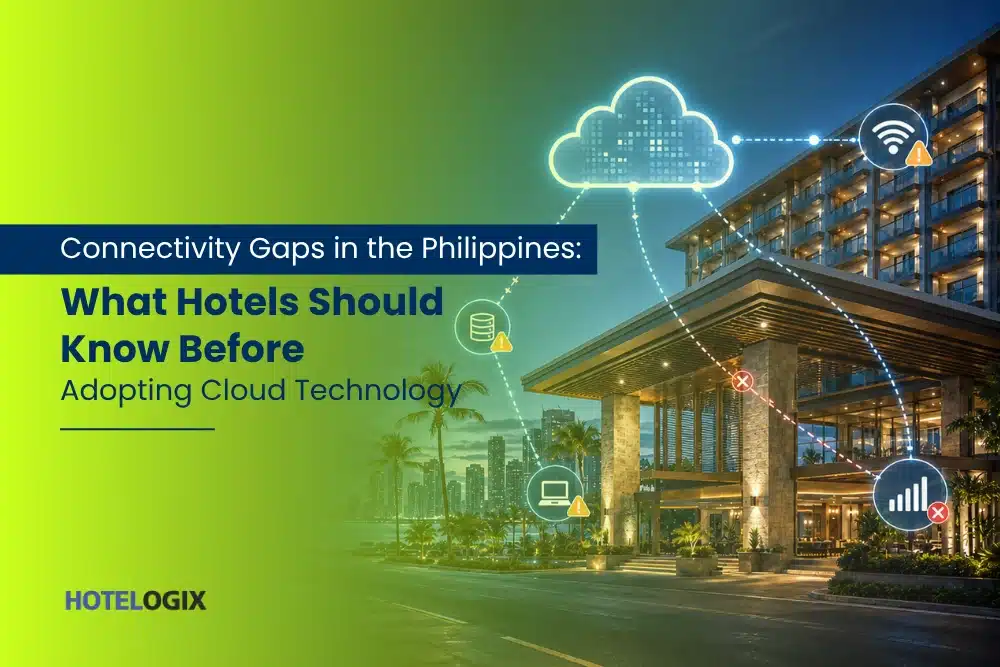
As the Philippine tourism industry experiences a robust post-pandemic resurgence, the operational backbone of the hospitality sector is undergoing a quiet but profound revolution. With travel demand rebounding across the archipelago, hoteliers are increasingly pivoting toward cloud-based Property Management Systems (PMS) to streamline reservations, optimize distribution, and elevate guest experiences.
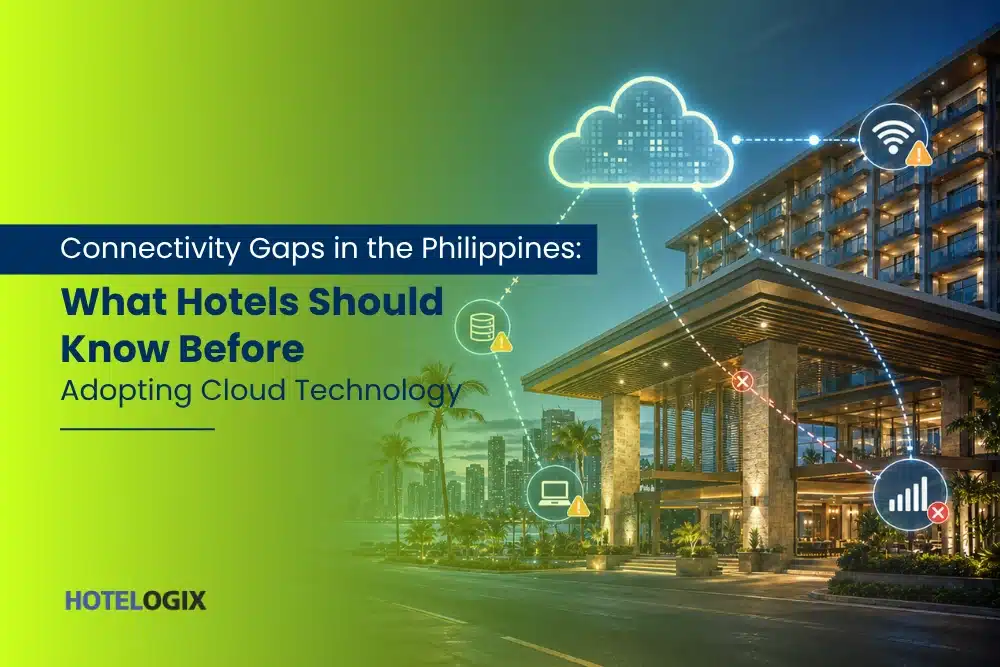
However, this transition is not without its hurdles. In a nation defined by its thousands of islands, the "connectivity gap" remains a critical consideration. While the Philippines has made significant strides in digital infrastructure—with approximately 89% of the population now enjoying internet access—the reality for remote island resorts and emerging tourism hubs often involves fluctuating network stability. This article examines the delicate balance between the promise of cloud-based innovation and the practical realities of infrastructure in the Philippine hospitality market.
The Digital Transformation of Philippine Hospitality
The Shift to Cloud-Based Operations
Traditionally, Philippine hotels relied on on-premise, server-based software. These legacy systems were physically tethered to the property, requiring manual updates, local maintenance, and restricted data access. As the market matures, the industry is shifting toward cloud-native solutions.
The primary driver for this shift is the need for operational agility. In an era where a traveler in Manila might book a boutique villa in Siargao via an Online Travel Agency (OTA) while simultaneously requesting a late checkout through a mobile app, the ability to centralize data is no longer a luxury—it is a competitive necessity. Cloud systems allow for real-time synchronization of inventory, preventing overbookings and ensuring that operational workflows are visible to managers, regardless of their physical location.
A Chronology of Infrastructure Development
- Pre-2015: Heavy reliance on manual logging and isolated, on-premise systems; limited integration with global booking engines.
- 2016–2019: Gradual adoption of digital booking platforms; initial government-led initiatives to improve national broadband access.
- 2020–2022: The "Pandemic Catalyst." The necessity for contactless check-ins and remote management forced hotels to rapidly digitize operations to survive.
- 2023–Present: The "Cloud Consolidation" phase. Hotels are now focusing on robust, integrated ecosystems that can handle fluctuating connectivity while maintaining data integrity.
The Connectivity Paradox: Urban Strength vs. Regional Challenges
Despite the national progress, the "last mile" of connectivity remains a significant variable. The digital divide is characterized by a distinct geographic disparity.
Urban Resilience
In major economic hubs like Metro Manila, Cebu, and Davao, high-speed fiber and 5G networks provide a stable foundation for cloud-based applications. In these regions, hotels rarely experience downtime, allowing them to leverage sophisticated AI-driven revenue management tools and real-time data analytics without fear of service interruption.
The Island Destination Dilemma
For hotels located in the country’s premier island destinations—such as Palawan, Siargao, or Boracay—the narrative is different. While these regions are the engines of the tourism economy, their geographic isolation often makes them susceptible to service fluctuations during inclement weather or maintenance of submarine cables.
Current data suggests that approximately 25% of Filipinos remain offline, many of whom reside in these geographically isolated areas. For an operator in a remote region, a cloud-based system is only as reliable as the ISP (Internet Service Provider) supporting it. This reality forces operators to adopt a "hybrid mindset," where cloud dependency is balanced with offline contingency planning.
Operational Strategies: How Hotels Mitigate Risks
To bridge the gap between digital ambition and physical reality, forward-thinking hoteliers in the Philippines are employing a multi-layered approach to infrastructure:
- Redundant Connectivity: Many luxury and mid-scale properties now invest in dual-WAN setups, combining fiber-optic primary lines with satellite-based internet (such as Starlink) or high-capacity 5G cellular backups. This ensures that even if one service fails, the PMS remains online.
- Offline-Capable Software Architecture: Leading PMS providers now design platforms with "offline modes." This allows staff to continue processing check-ins, updating housekeeping statuses, and managing guest requests during an outage. Once the connection is restored, the system performs an automatic "handshake," synchronizing all cached data with the cloud.
- Local Edge Caching: By utilizing edge computing, some systems store critical operational data locally on-site, providing a safety net that prevents total system paralysis during a connectivity drop.
- Hardware Diversification: Moving away from static desktop terminals toward mobile tablets and smartphones allows staff to work from different areas of the property, leveraging different signal strengths or mobile hotspots if the primary office connection falters.
Why Cloud Systems Remain the Preferred Choice
Despite the connectivity challenges, the migration to the cloud is accelerating. The comparative advantages of cloud-based systems over traditional legacy models are clear and, in many cases, existential for modern businesses.
| Feature | Traditional (On-Premise) | Cloud-Based Systems |
|---|---|---|
| Accessibility | Limited to property network | Accessible from anywhere |
| Updates | Manual, disruptive | Seamless, automatic |
| Integrations | Difficult, siloed | Open API, seamless connectivity |
| Scalability | High capital expenditure | Subscription-based, scalable |
| Data Security | Local server vulnerability | Encrypted, off-site backups |
By centralizing distribution, hotels can connect to multiple OTAs simultaneously. This visibility is critical for maximizing occupancy rates, as it ensures that room availability is updated across all channels the moment a booking is made.
Strategic Considerations Before Implementation
For hotel owners and operators planning their digital roadmap, the decision-making process must be methodical. Before choosing a cloud-based PMS, management should evaluate:
- Offline Data Synchronization: Does the software offer a robust offline mode that prevents data loss during intermittent internet access?
- Mobile Functionality: Can the system be managed effectively via mobile devices to bypass potential dead zones within the property?
- Vendor Support: Does the provider offer 24/7 technical support and specific experience with the unique connectivity landscape of the Philippines?
- System Integration: Is the PMS part of an ecosystem that includes channel managers, booking engines, and revenue management tools, or will it require costly third-party "patches" that might fail under low-bandwidth conditions?
The Economic Implications: Sustaining Tourism Growth
The Philippine travel and tourism sector is a cornerstone of the national economy, projected to inject a record PHP 5.9 trillion into the GDP in the coming years. With the sector expected to support over 11.7 million jobs—roughly 24% of the national workforce—the stakes for operational efficiency are incredibly high.
When hotels modernize their operations, they are not just upgrading software; they are securing the future of their workforce and the quality of the guest experience. Efficient management allows for better labor allocation, more accurate financial reporting, and, ultimately, a more competitive position in the global market.
Conclusion: A Path Toward Digital Maturity
Connectivity in the Philippines is an evolving landscape, not a static limitation. While the challenges of island geography and infrastructure gaps are real, they are no longer significant enough to outweigh the immense benefits of cloud-based management.
Through a combination of strategic infrastructure investment, the selection of resilient software partners like Hotelogix, and a proactive approach to contingency planning, Philippine hoteliers are successfully navigating the transition. The future of the country’s hospitality industry lies in its ability to marry the warmth of Filipino hospitality with the precision of modern digital systems. As connectivity continues to improve, those who embrace these tools today will be the ones leading the charge in the next era of Philippine tourism growth.
Are you ready to elevate your hotel’s operations?
The transition to a cloud-based environment is a critical step in scaling your business for the future. By centralizing your reservations, distribution, and operational workflows, you can gain the visibility needed to thrive in a competitive market.
Book a free demo today to see how Hotelogix can support your property’s journey toward digital transformation, regardless of your location.


 Ammar Sabilarrohman