Rifan Muazin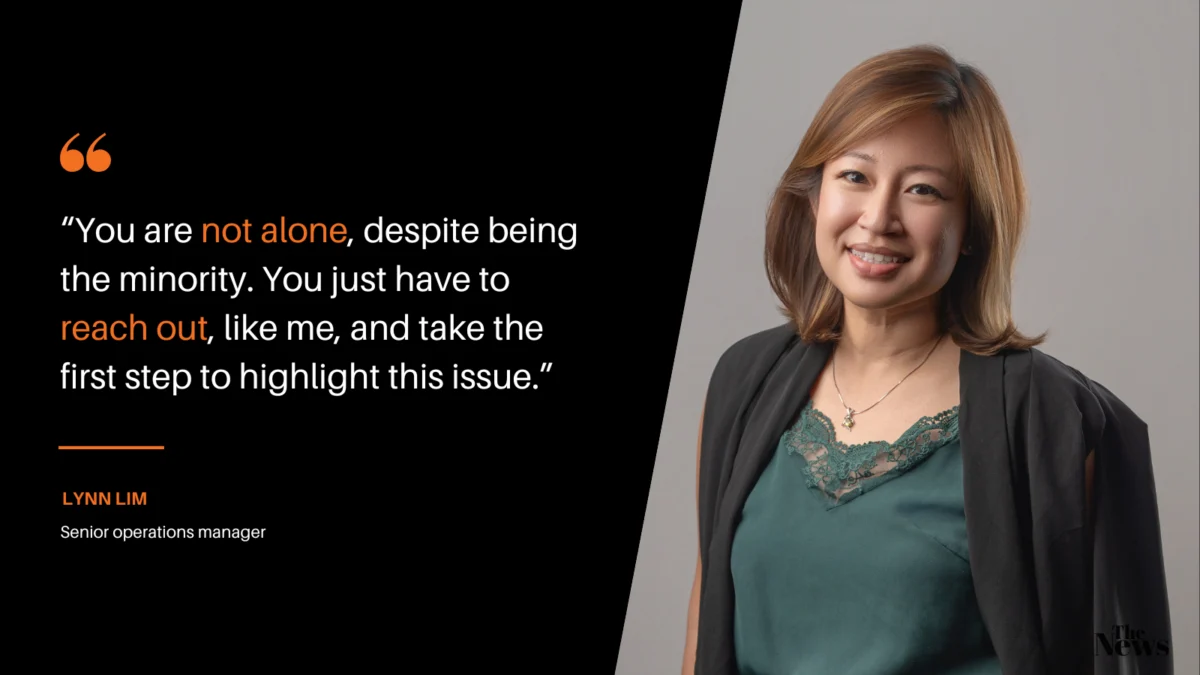
As Singapore grapples with a historic fertility low—with the total fertility rate (TFR) plummeting to 0.87 in 2025—the national conversation has become increasingly fixated on incentivizing parenthood. While government initiatives, such as the upcoming expansion of shared parental leave in 2026, are critical steps toward supporting new parents, a significant demographic remains overlooked: the women currently navigating the grueling, often silent, path toward conception.
For many professional women, particularly those in high-stakes leadership roles, the journey toward motherhood is not a seamless transition from career to nursery. It is a decade-long odyssey of medical procedures, emotional volatility, and the persistent, quiet struggle to remain a high-performing leader while undergoing IVF.
The Invisible Struggle of the Professional Woman
The current corporate narrative surrounding women in leadership is often binary: the professional who "has it all" or the mother balancing a career. This narrative leaves little room for the "in-between"—the woman who is fighting to become a mother while simultaneously navigating the relentless demands of a corporate career.
Lynn Lim (a pseudonym), a senior operations manager with over a decade of experience in leadership, is breaking this silence. Her journey, which involves multiple rounds of IVF, is a testament to the unseen labor of professional women. "I think this topic is something that women do not dare to stand up to speak about," Lim shares. "We recognize that as women, we’re supposed to be mothers, and it’s very difficult to come up to talk about it."
A Decade of Resilience: A Chronology of the IVF Experience
Lim’s journey began ten years ago. It was not a singular event, but a sustained, decade-long commitment to a process that consumes the body and the mind.
- The Early Years (Year 1–3): Initial attempts to conceive naturally lead to medical consultations. The transition to assisted reproductive technology (ART) begins, marked by the first rounds of hormone injections and the initial sting of disappointment.
- The Mid-Cycle Strain (Year 4–7): Lim undergoes two major egg extraction procedures and multiple embryo transfers. The physical toll is significant: she experiences a 30kg weight gain due to hormonal fluctuations and the invasive nature of the treatments.
- The Leadership Conflict (Year 8–10): Throughout these cycles, Lim continues to lead a team. She manages the "raging hormones" and the crushing grief of failed procedures while maintaining a façade of professional composure.
Her experience is emblematic of a broader, hidden phenomenon. Even within fertility support groups, Lim noticed a stark absence of professional discourse. "Nobody really talks about their career," she notes. "They only talk about the personal journey, the pain, the weight gain, and the mood fluctuations, but no one actually talked about how they were when they were at work."
Supporting Data: The Impact on the Workforce
The intersection of fertility and the workplace is not merely a personal issue; it is a business imperative. Data suggests that when employees feel unsupported during medical crises, productivity, retention, and morale suffer.
- The "Pre-Maternity" Gap: While organizations are increasingly adept at handling maternity leave, there is almost no standardized support for "pre-maternity"—the months or years spent in fertility treatment.
- Productivity and Wellbeing: IVF involves frequent, short-notice medical appointments, strict medication regimens, and significant recovery time. Without flexible leave policies, employees are forced to exhaust annual or sick leave, leading to increased stress and burnout.
- The Attrition Risk: The lack of workplace empathy is a leading cause of mid-career exits for women. When a leader feels they must choose between their health and their title, the company loses top-tier talent.
The Policy Landscape: Are We Doing Enough?
The Singaporean government’s move to introduce 10 weeks of shared parental leave by April 2026 is a commendable policy shift. However, critics argue that these measures only address the "aftermath" of a successful pregnancy.
Globally, the landscape is fragmented. While some forward-thinking firms are beginning to offer "fertility benefits" (such as IVF coverage or dedicated medical leave), others are retreating. Amidst global economic uncertainty and workforce restructuring, some organizations have scaled back family-related benefits to cut costs. This creates a volatile environment for employees who rely on such support.

Implications for Leadership and Corporate Culture
The silence surrounding fertility in the workplace is rooted in stigma. Many women fear that disclosing their IVF journey will lead to perceptions of "instability" or "distraction," potentially sidelining them from promotions or high-visibility projects.
Lim’s experience as a leader provides a blueprint for how this could change. Despite her own pain, she actively fostered a culture of empathy for her team. In one instance, she supported a subordinate through a failed pregnancy, redistributing the workload to allow for recovery time. "To get support, someone has to know what you’re going through," she asserts.
Key areas where organizations can shift the paradigm:
- Normalizing the Conversation: Leadership must signal that fertility is a valid health concern, no different from a chronic illness or injury.
- Flexible Leave Policies: Moving beyond standard medical leave to provide "fertility leave" or flexible hours specifically for clinic appointments.
- Managerial Training: Equipping middle and senior managers to have sensitive, non-judgmental conversations with employees about their health journeys.
- EAP Expansion: Enhancing Employee Assistance Programs (EAPs) to include specific counseling for the psychological distress of fertility struggles.
The Call for a Broader Definition of "Support"
The challenge, as Lim points out, is not just about the policy—it is about the culture. "It starts with the company policies—that they are willing to address it before having staff come to them," she says.
The goal is to create a culture of trust where an employee does not have to decide between their career aspirations and their desire for a family. By broadening the definition of "support" to include the years of preparation and the struggle of trying, companies can build a more inclusive environment that acknowledges the full human experience.
Conclusion: Recognizing the Quieter Journeys
As Singapore faces its lowest birth rate in history, the temptation is to focus solely on the financial and policy levers that incentivize the final act of parenthood. But for the thousands of women like Lynn Lim, the journey to parenthood is a long, arduous, and largely invisible road.
"You are not alone, despite being the minority," Lim encourages others. "You just have to reach out, like me, and take the first step to highlight this issue."
True workforce sustainability will only be achieved when companies stop viewing motherhood as the only point of entry for support. By acknowledging the pain, the perseverance, and the professional sacrifices made by women in the "pre-maternity" phase, organizations can move toward a more compassionate and truly inclusive future. It is time to stop looking only at the visible milestones and start recognizing the quieter, more difficult journeys that occur behind the scenes of our modern offices.


 Ali Ikhwan
 Neng Nana