Siti Muinah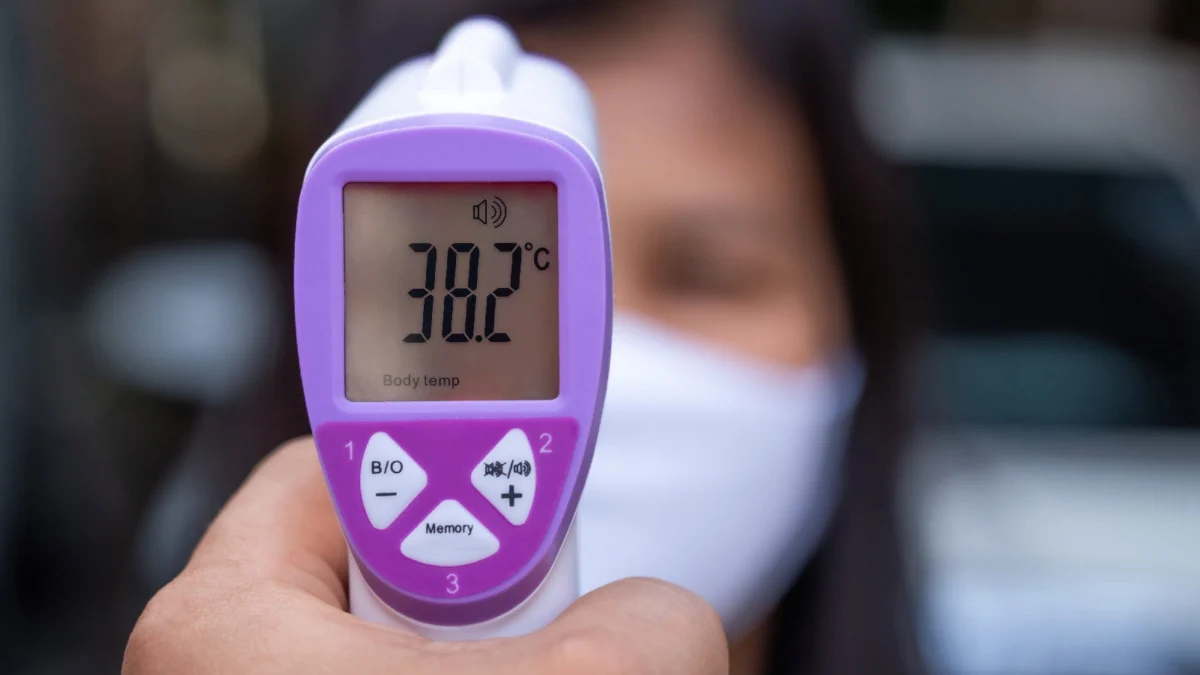
Executive Summary: A Preemptive Strike on Public Health
In a decisive move to fortify national biosecurity, Thai health authorities have officially classified hantavirus as a "dangerous communicable disease" under the Communicable Disease Act of 2015. This designation, which marks the virus as the 14th infection on the nation’s list of high-priority pathogens, empowers the Department of Disease Control (DDC) with robust legal frameworks to enforce mandatory reporting, quarantine protocols, and rapid investigative measures.
While the Ministry of Public Health stresses that the current risk to the general Thai population remains low and there have been no confirmed cases of the virulent Andes strain within the country’s borders, the government is prioritizing a strategy of "preparedness over panic." By tightening surveillance at international entry points and intensifying maritime inspections, Thailand aims to preemptively manage potential threats originating from high-risk regions, particularly South America.
Chronology of Escalation
The heightened state of alert follows a series of international health developments that have prompted health ministries across Southeast Asia to re-evaluate their infectious disease protocols.
- Initial Concerns: Reports of a cluster of hantavirus cases linked to the MV Hondius cruise ship in South America drew international alarm. The specific concern involves the Andes strain, which has been identified as capable of human-to-human transmission, unlike the more common rodent-to-human transmission pathways associated with indigenous Thai strains.
- The Legislative Shift: Recognizing the potential for a rapid outbreak, the Thai government invoked the Communicable Disease Act 2015. This allows for immediate legal intervention, enabling authorities to mandate isolation and quarantine for suspected cases.
- Implementation Phase: Following the legislative change, the DDC initiated rigorous screening at airports, sea ports, and land borders. Simultaneously, the Ministry of Public Health began coordinating with international health partners to track the movement of travelers originating from affected regions.
- Current Status: As of this week, the nationwide surveillance system is fully operational. Authorities have successfully integrated hantavirus monitoring into existing emergency response systems, ensuring that clinical staff and port authorities are equipped with the necessary diagnostic protocols and personal protective equipment (PPE).
Understanding the Pathogen: What is Hantavirus?
Hantavirus is a family of viruses carried primarily by rodents. Transmission typically occurs when humans inhale aerosolized particles from the urine, droppings, or saliva of infected rodents.
Clinical Manifestations
The onset of the disease is often insidious, mimicking common viral infections. Symptoms typically include:
- High fever and chills.
- Persistent muscle aches, particularly in the lower back and thighs.
- Debilitating fatigue and headaches.
- Gastrointestinal distress, including nausea and vomiting.
In severe cases, the progression can be rapid and fatal. The virus can lead to Hantavirus Pulmonary Syndrome (HPS), characterized by severe respiratory failure, pulmonary edema, shock, and, in some instances, kidney failure.
The Andes Strain vs. Local Variants
A critical distinction provided by Prof. Dr. Yong Poovorawan, Head of the Center of Excellence in Clinical Virology at Chulalongkorn University, is the nature of the viral strains. He clarified that while hantaviruses have been endemic to Thailand for over 40 years, the indigenous strains typically exhibit low pathogenicity and are not easily transmitted between humans. The current international concern, however, focuses on the Andes strain, which exhibits a higher risk profile due to its potential for person-to-person spread.
Official Responses and Government Mandates
The Thai government’s response has been swift, characterized by a dual focus on legal enforcement and logistical readiness.
The 42-Day Quarantine Mandate
Under the new classification, the legal burden on medical professionals and citizens is significant. Suspected cases must be reported to the DDC within three hours of identification. Investigations into these cases must be launched within 12 hours. Perhaps most stringent is the requirement for high-risk contacts—those who have been exposed to a confirmed case—to undergo a 42-day quarantine. This period is specifically calibrated to the incubation cycle of the virus to ensure that no secondary cases slip through the surveillance net.
Strengthening Maritime Surveillance
Dr. Montien Kanasawat, Director-General of the DDC, has spearheaded an overhaul of inspection protocols for cruise ships and international cargo vessels. These measures include:
- Enhanced Health Screening: Mandatory temperature checks and health questionnaires for all passengers and crew.
- Environmental Sanitation: Strict requirements for vessel operators to conduct deep cleaning and disinfection of cabins and common areas.
- Rodent Control: Mandating professional pest control on vessels to mitigate the primary vector of the disease.
- PPE Deployment: Ensuring that all port health officials are provided with high-grade protective gear when boarding vessels for inspections.
Supporting Data and Public Health Implications
The decision to label hantavirus as a "dangerous communicable disease" is a strategic move to ensure that the healthcare system is not overwhelmed by an influx of panic-driven inquiries or, in a worst-case scenario, an actual outbreak.
Dr. Somruek Chungsaman, Permanent Secretary for the Ministry of Public Health, emphasized that the designation is a tool for "legal muscle." It allows the government to bypass bureaucratic delays, enabling the immediate issuance of isolation orders. This proactive stance is supported by the lessons learned from previous global health crises, where early intervention and clear communication were the deciding factors in containing outbreaks.
Economic and Social Impact
While the government is working hard to prevent panic, the travel and tourism sectors remain sensitive to such health-related classifications. By clearly communicating that the risk remains low and that the measures are purely precautionary, the Ministry aims to maintain public confidence.
The public is urged to practice basic hygiene, particularly when traveling in rural areas where rodent populations may be high. Simple precautions—such as avoiding contact with rodent excrement, ensuring proper food storage, and seeking medical attention for any unusual symptoms following exposure to rodent-heavy environments—remain the primary line of defense.
Regional Context and Collaborative Efforts
Thailand’s actions do not exist in a vacuum. As noted by recent developments in Malaysia, where authorities stepped up monitoring following an MV Hondius cluster, Southeast Asian nations are increasingly moving toward a synchronized approach to regional health security.
The integration of digital surveillance tools and the sharing of clinical data between ASEAN countries have become essential components of this regional strategy. By aligning with international standards, Thailand is positioning itself as a leader in regional health stability, ensuring that it can respond to cross-border threats with both speed and scientific accuracy.
Conclusion: A Message of Resilience
The Thai Ministry of Public Health remains firm in its stance: there is no cause for public alarm. The country’s surveillance and emergency response systems are not only prepared but are now better equipped than ever to handle potential threats.
"The virus has existed alongside us for decades," noted Dr. Yong Poovorawan. "Our current focus is on managing the risks posed by international travel and ensuring that we have the legal and clinical infrastructure to catch any anomaly before it becomes a crisis."
As the situation continues to evolve, the DDC encourages citizens and residents to rely on official channels for information and to maintain normal daily activities. By combining personal responsibility—such as prompt reporting of symptoms—with the government’s robust oversight, Thailand is well-positioned to maintain its health security in an increasingly interconnected world.
For the latest updates on health regulations and official announcements, the public is encouraged to follow the Department of Disease Control’s official bulletins. Stay informed via our Telegram and Instagram channels for further developments on this and other regional health matters.


 Ali Ikhwan
 Neng Nana