
 Sagoh
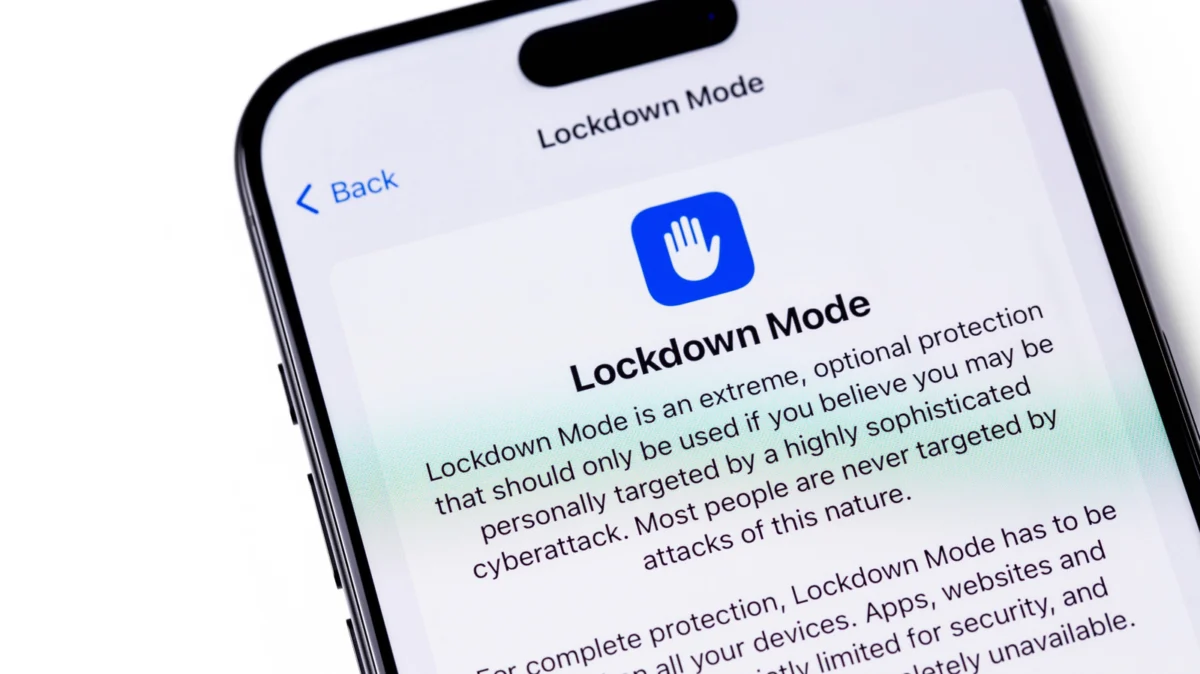
In the modern digital landscape, the smartphone has transitioned from a mere communication device to a repository of our most intimate data. As cyber threats grow increasingly sophisticated, particularly through the rise of commercial mercenary spyware, Apple has responded with a feature that represents the pinnacle of consumer-grade mobile security: Lockdown Mode. Introduced in 2022, this feature is not intended for the average user, but rather serves as a digital bunker for those facing "extreme" threats. While it transforms a high-performance iPhone into a highly restricted terminal, it provides a level of protection that has proven impervious to some of the world’s most advanced digital surveillance tools.
Main Facts: What is Lockdown Mode?
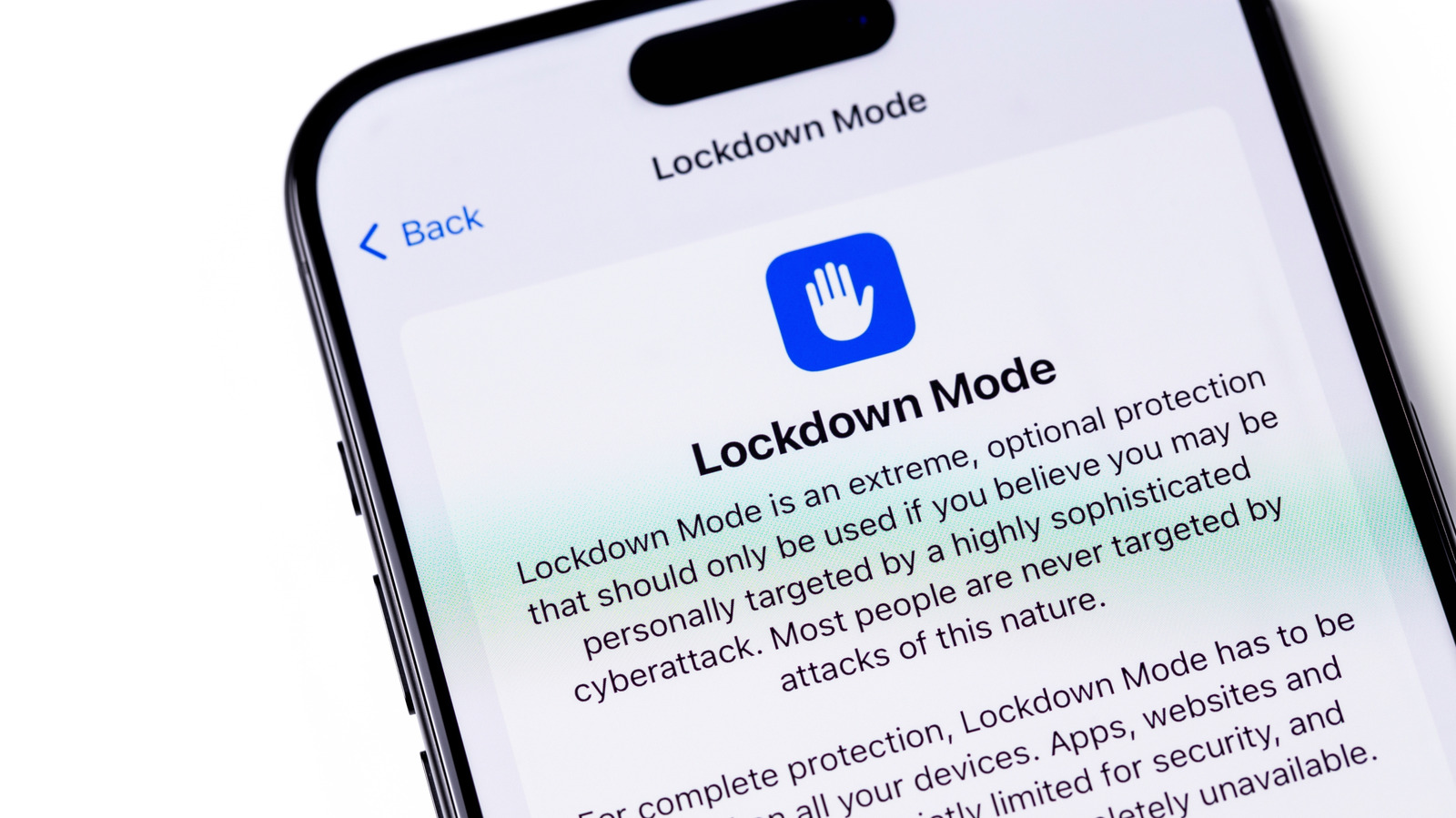
Lockdown Mode is an optional security setting available on iOS 16, iPadOS 16, watchOS 10, and macOS 13 (Ventura) and later. When activated, the operating system undergoes a radical transformation, disabling or significantly restricting the functionality of various features that are typically considered standard.
The primary objective of this feature is to minimize the "attack surface" of the device. By shutting down complex, vulnerable pathways—such as advanced web rendering, obscure message attachments, and certain wireless connectivity protocols—Apple makes it exponentially more difficult for malicious actors to gain unauthorized access. It is, in essence, a trade-off: you sacrifice the seamless convenience of the Apple ecosystem in exchange for hardening your device against state-sponsored or commercial-grade spyware like NSO Group’s Pegasus.
The Mechanism of Restriction
When a user toggles Lockdown Mode in Settings > Privacy & Security, the device requires a restart to enforce its new parameters. The immediate effects are noticeable:
- Messaging: Most attachment types in the Messages app are blocked. Link previews are disabled to prevent hidden exploits from loading automatically.
- Web Browsing: Advanced web technologies, including specific JavaScript compilations and complex web fonts, are disabled. This often results in a "broken" browsing experience where websites load slowly or fail to render images and scripts correctly.
- Connectivity: The device ceases to accept new incoming invitations for Apple services, such as FaceTime or Home app requests, unless the user has previously initiated contact. Wired connections to computers or accessories are blocked while the device is locked, effectively stopping "juice jacking" or unauthorized data extraction via physical ports. Furthermore, support for older, insecure wireless protocols—specifically 2G and 3G—is stripped away to prevent downgrade attacks.
A Chronology of the Spyware Crisis
To understand why Apple felt compelled to build such a rigid defense, one must look at the historical context of the "spyware wars."
2016 – The Dawn of Modern Mobile Surveillance: Researchers at Citizen Lab identified "Trident," a sophisticated three-part chain of iOS vulnerabilities used to deliver Pegasus spyware. This was the first major public signal that mobile operating systems were under siege by state-aligned actors.
2021 – The Pegasus Project: A massive collaborative investigation revealed that Pegasus was being used globally by governments to target journalists, human rights activists, and high-ranking political figures. The revelation forced Apple to take more aggressive action beyond their traditional software patching cycle.
2022 – The Launch of Lockdown Mode: Recognizing that standard security updates could not always patch vulnerabilities before they were exploited, Apple unveiled Lockdown Mode at the Worldwide Developers Conference (WWDC). It was designed to proactively thwart "zero-click" exploits—attacks that require no interaction from the victim to compromise a device.
2023 – The Blastpass Test: The efficacy of the mode was proven during the discovery of the "Blastpass" exploit. Attackers used a malicious PassKit image attached to an iMessage to bypass existing security. While the vulnerability was severe, researchers confirmed that devices with Lockdown Mode enabled were entirely immune to the attack, validating the architectural decisions made by Apple’s security team.
Supporting Data: Why the Trade-off Matters
The logic behind the restriction is rooted in cybersecurity fundamentals: Complexity is the enemy of security. Every feature, from the ability to render a PDF in a text thread to the capacity to connect to a legacy cellular network, is a potential "vector" or entry point for an attacker.
The Cost of Convenience
The restrictions are undeniably heavy. For instance, the inability to install configuration profiles prevents schools and corporations from pushing custom security policies to devices. Furthermore, the loss of shared photo albums and the restriction of FaceTime to known contacts can feel like a return to the early days of feature phones.
However, the data suggests that these are necessary sacrifices for high-risk individuals. Apple’s internal testing and their participation in the bug bounty ecosystem underscore the depth of this protection. Apple currently offers a "100% bonus" on its maximum bug bounty reward—potentially reaching into the millions—for any security researcher who can find a way to bypass Lockdown Mode. To date, the wall remains largely unbreached, signifying that the "extreme" security promised is not mere marketing hyperbole.
Official Responses and Strategic Philosophy
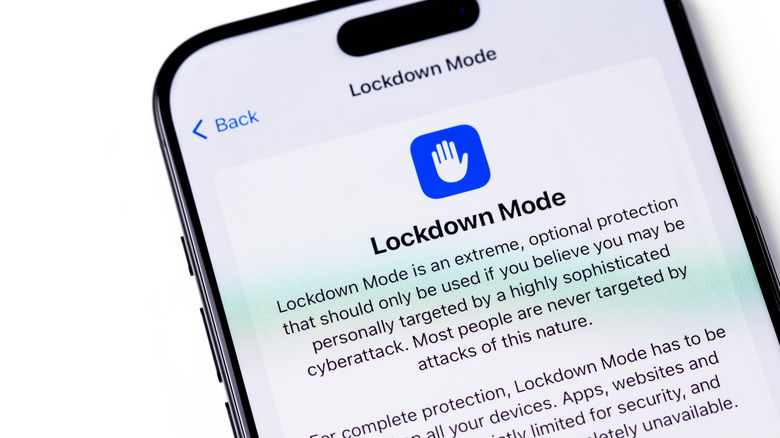
Apple’s stance on Lockdown Mode is one of "informed consent." The company has been careful to market this feature specifically for a small subset of the population. In their official documentation, Apple explicitly states that the feature is for the "very few" who are targeted by cyberattacks.
"We are honored that our devices are used by so many people for their most important work," an Apple spokesperson noted during the feature’s rollout. "However, we recognize that for a small number of users, the threat landscape is fundamentally different."
This philosophy marks a shift in how Apple handles security. Historically, Apple championed a "one-size-fits-all" security model—a seamless, high-security environment for everyone. Lockdown Mode represents a pragmatic pivot: acknowledging that for a journalist in a surveillance state or an opposition leader in a volatile region, the need for security outweighs the need for a seamless user experience.
Implications for the Future of Mobile Security
The existence of Lockdown Mode carries significant implications for the future of the smartphone industry.
1. The Normalization of "Security Tiers"
We are moving toward a future where security is no longer binary (on or off) but tiered. Lockdown Mode serves as a prototype for what a "paranoid" mode could look like on other platforms. As users become more privacy-conscious, we may see more granular "security profiles" that allow users to toggle their own level of risk vs. convenience.
2. The Arms Race Continues
While Lockdown Mode provides a robust defense, it has not stopped the developers of mercenary spyware. These organizations are now shifting their focus toward "zero-day" vulnerabilities that do not rely on the features that Lockdown Mode disables, or they are targeting the human element—phishing, social engineering, and physical compromise. The existence of the mode forces attackers to be more expensive and more creative, which is a victory for the defensive side of the industry.
3. A Wake-up Call for the "Average User"
While the average person does not need to use Lockdown Mode, the feature serves as a valuable educational tool. It highlights how many "convenience" features—like link previews, automated image rendering, and legacy connectivity—are inherently insecure. It encourages users to think critically about their digital footprint and the permissions they grant to their devices.
Conclusion: Is It For You?
For 99.9% of the world’s population, the standard protections included in iOS and macOS are more than sufficient. Features like App Tracking Transparency, Advanced Data Protection, and rapid, mandatory security updates provide a formidable barrier against common cybercriminals.
However, if you find yourself in a position of public scrutiny, travel frequently to areas with high surveillance, or have received an "Apple Threat Notification" regarding potential state-sponsored attacks, Lockdown Mode is not just a feature—it is a necessity. It is the digital equivalent of a safe room in a high-security home: uncomfortable, restrictive, and disconnected from the outside world, but ultimately the safest place to be when the storm hits.
For those curious about its mechanics, Apple allows users to toggle the mode on and off at will. Trying it for a few days can be a sobering exercise in understanding how much of your digital life depends on "invisible" features that are, at their core, potential vulnerabilities. In an era where data is the most valuable currency, having the option to lock the vault is a powerful, if inconvenient, tool for those who need it most.


 Azzam Bilal Chamdy

 Laily UPN




