Rifan Muazin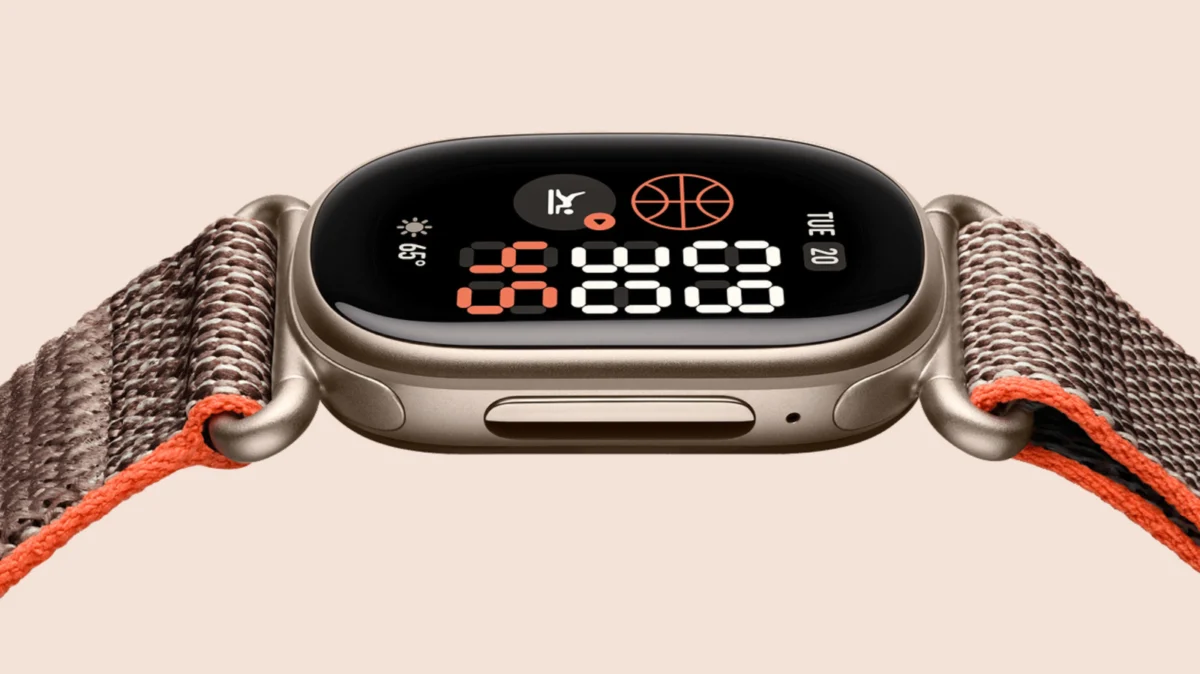
Google’s resurgence in the wearable technology market has been marked by a clear, bifurcated strategy. While the premium Pixel Watch series continues to compete head-to-head with the Apple Watch, Google has quietly reinvigorated its Fitbit brand, positioning it as the accessible, AI-driven cornerstone of its health ecosystem. The release of the $99 Fitbit Air in May, followed by the $179 Fitbit Edge in October, represents a significant turning point. While both wearables share the same DNA and rely on Google’s advanced health-tracking infrastructure, they cater to fundamentally different user profiles.
For consumers, the choice between the Air and the Edge is not merely about the presence or absence of a display; it is a question of philosophy regarding how much technology should intrude upon one’s daily life.
Main Facts: A Tale of Two Wearables
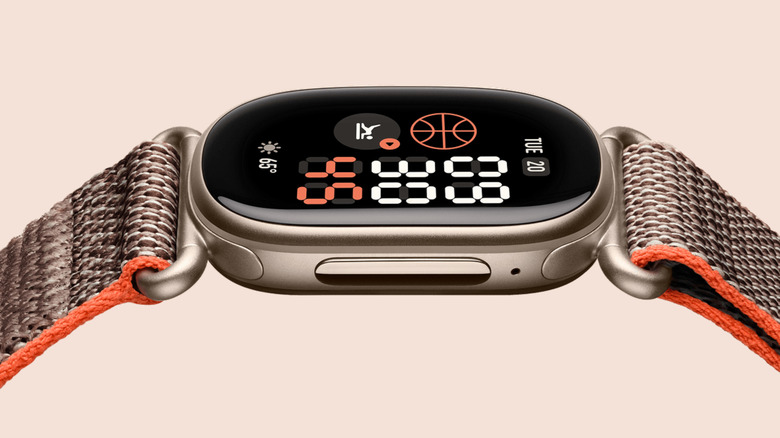
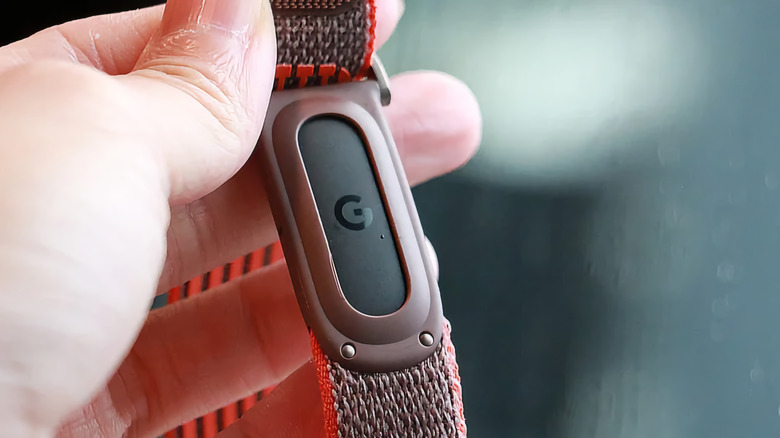
The Fitbit Air is defined by its invisibility. As a "screenless" tracker, it serves as a sophisticated data-collection vessel that remains tethered to the user’s smartphone. It is lightweight, unobtrusive, and designed to disappear into the background of a user’s day. Conversely, the Fitbit Edge occupies the "middle ground" of the wearable market. Priced at $179, it bridges the gap between basic fitness trackers and full-fledged smartwatches like the Pixel Watch 5.
Both devices leverage Google’s latest "Health Guardian" suite—the company’s AI-powered engine that provides deep-dive analytics into heart health, metabolic trends, and recovery. However, the hardware capabilities of the Edge—namely its 1.34-inch AMOLED touchscreen, mechanical navigation button, and expanded sensor array—grant it a functional utility that the Air simply cannot replicate.
Chronology of Google’s Wearable Renaissance
Google’s recent history with Fitbit is a story of transition. After the 2022 launch of the first Pixel Watch, the company faced criticism for neglecting the entry-level segment that made the Fitbit brand a household name.

- 2022: Google establishes the Pixel Watch as its premium flagship, focusing on Wear OS integration.
- May 2024: Google surprises the market with the Fitbit Air, a $99 device that eschews the screen, signaling a pivot toward "invisible computing."
- Summer 2024: The Fitbit Ace LTE launches, targeting the youth demographic and proving Google’s commitment to expanding the Fitbit form factor.
- October 2024: Google introduces the Fitbit Edge, a $179 tracker that blends the sensor-heavy focus of the Air with the user interface capabilities of a traditional smartwatch.
- Present Day: Both devices are fully integrated into the Google Health ecosystem, with Google pushing "Health Premium" subscriptions to unlock advanced predictive insights.
Supporting Data: Hardware, Sensors, and Battery Performance
When evaluating these devices side-by-side, the technical specifications reveal the core trade-offs each user must consider.
Sensor Arrays and Health Tracking
Both the Edge and the Air feature industry-standard optical heart rate sensors, continuous heart rate monitoring, and sleep tracking capabilities. They share the ability to calculate daily readiness, cardio load, and resilience scores. However, the Edge pulls ahead with its specialized hardware:
- ECG Capabilities: The Edge features the electrical sensors required for electrocardiogram readings, a feature absent in the Air.
- Environmental Tracking: The Edge includes an altimeter for stair-climbing metrics and an ambient light sensor to manage display brightness.
- Water/Dust Resistance: Both devices maintain a robust IP68 rating and are water-resistant up to 5ATM, making them suitable for swimming and high-intensity workouts.
The Battery Conundrum
Battery life is the most significant point of divergence for the power user. Both devices are rated for a seven-day lifespan under ideal conditions. However, the Edge’s AMOLED screen creates a variable user experience. When using the "always-on" display feature, the Edge’s battery life drops to approximately two days.
To mitigate this, Google has implemented a high-speed charging architecture for the Edge: a full 0-to-100% charge in 90 minutes, with a 15-minute "quick charge" providing an entire day of operational capacity. The Air, unencumbered by a screen, maintains its seven-day rating consistently, making it the superior choice for users who prioritize "set-it-and-forget-it" convenience.
Official Perspectives and Ecosystem Integration
Google has been transparent about its intent to make AI the center of the Fitbit experience. By decoupling many health insights from hardware-dependent sensors, Google has ensured that both the Edge and the Air can benefit from updates to its "Health Guardian" platform.
"We wanted to ensure that the depth of our health data wasn’t locked behind a high-priced smartwatch," a Google spokesperson noted during the October launch event. By utilizing the same software backbone for both devices, Google is effectively commoditizing the data while differentiating the user interface.
The company acknowledges that the "Health Premium" subscription remains the gatekeeper for the most sophisticated AI insights. While both devices are functional out of the box, the full value proposition—the personalized coaching, the granular metabolic analysis, and the long-term trend reports—requires the premium subscription. Importantly, Google has maintained cross-platform compatibility, ensuring that users are not forced into the Android ecosystem to utilize these health-tracking benefits.
Implications: The Future of "Invisible" vs. "Interactive" Tech
The release of the Fitbit Edge and Air raises important questions about the future of wearable technology. We are currently witnessing a shift away from the "mini-smartphone on the wrist" model toward two distinct paths:
1. The Case for the Fitbit Air: Digital Minimalism
The Air represents a growing movement toward digital minimalism. By removing the screen, Google has effectively eliminated the "notification fatigue" associated with modern smartwatches. The Air does not ping, buzz with emails, or invite the user to doom-scroll through social media. It exists solely to track health. For users struggling with constant digital connectivity, the Air provides a way to stay informed about their body without becoming a slave to their device.
2. The Case for the Fitbit Edge: Functional Utility
The Edge represents the practical middle ground. It acknowledges that while users don’t want the complexity of a full-blown operating system, they do want immediate feedback. The ability to glance at a heart rate during a run, view a map on a short walk, or check a notification without reaching for a phone provides tangible, real-world utility. The Edge is for the user who wants a coach, not just a data collector.
The Broader Market Impact
By offering these two distinct devices, Google is placing pressure on competitors like Garmin, Whoop, and Oura. By controlling the entry-level ($99) and the mid-tier ($179) markets with devices that are powered by the same advanced AI, Google is creating a formidable barrier to entry for smaller players.
Furthermore, the introduction of these devices signals that Google is no longer viewing wearables as a one-size-fits-all product. Instead, the company is segmenting its audience based on how they interact with their technology. The Edge and the Air are not competitors; they are complementary options that allow the consumer to decide the level of technological integration they want in their daily health management.
Final Considerations for the Consumer
If you are an individual who finds yourself constantly distracted by your current smartwatch, the Fitbit Air is a revolutionary tool that reclaims your focus. If you find that the lack of a screen leaves you feeling uninformed during workouts or daily tasks, the Fitbit Edge provides the perfect amount of feedback without the bloat of a full smartwatch OS.
As the industry moves forward, the success of these two devices will likely dictate whether the market continues to favor the "always-connected" wearable or the "smart-sensor" approach. For now, Google has provided the most compelling argument yet that the best fitness tracker is the one that fits your life—not the one that demands to lead it.

 Lina Irawan
 Lina Hope