Lina Hope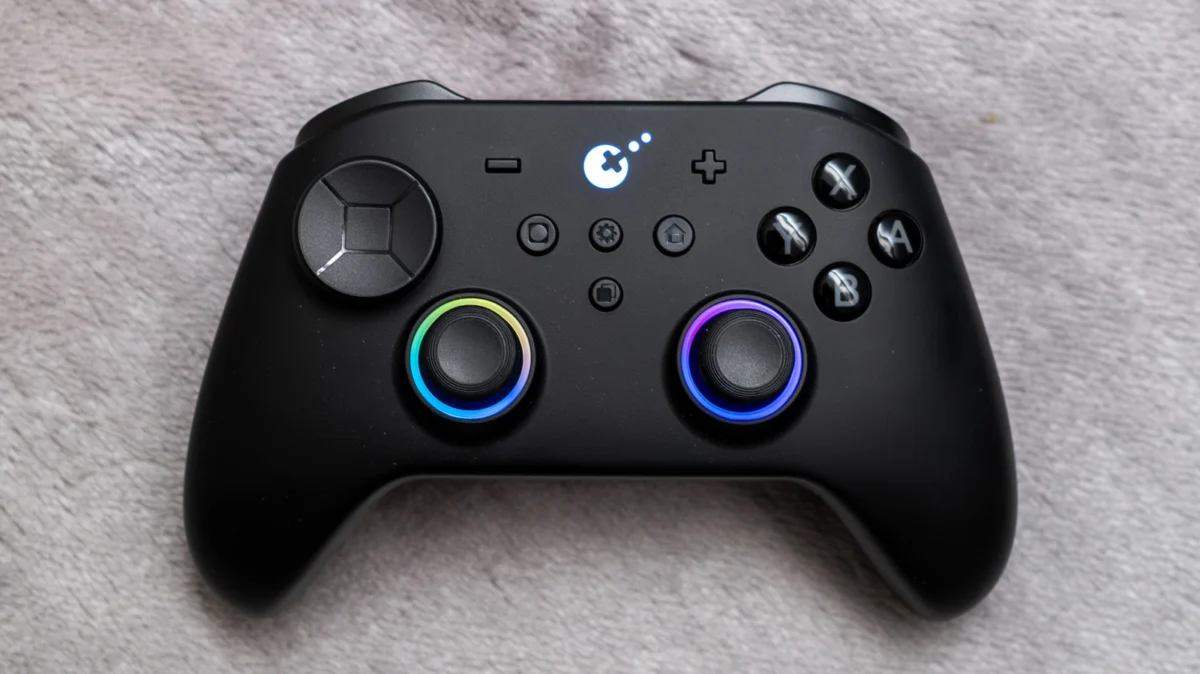
In the ever-evolving landscape of gaming peripherals, the struggle for the "perfect" controller often feels like a pursuit of a moving target. While Nintendo’s own Pro Controller has long been the gold standard for ergonomics and reliability, the dawn of the Switch 2 era has invited third-party manufacturers to push the boundaries of what a gamepad can achieve. Enter the GuliKit TT Max: a device that isn’t just an alternative, but a bold statement in design and versatility.
Positioned as the "granddaddy" of Switch 2 controllers, the TT Max is a substantial piece of hardware. It is wider, thicker, and heavier than its competitors, purposefully designed to bridge the gap between the compact, mobile-focused nature of Nintendo’s hardware and the robust, tactile satisfaction of Xbox and PlayStation controllers. With a score of 9/10, it is clear that GuliKit has crafted a peripheral that demands the attention of serious gamers.
Main Facts: The Anatomy of the Beast
The GuliKit TT Max is a multi-platform powerhouse. At its core, it is designed for the Switch 2, but its utility extends to PC, Android, and iOS. What sets it apart immediately is its physical presence. For those who find standard Nintendo joy-pads or even the Pro Controller too dainty, the TT Max offers a reassuring heft.
Key technical specifications include:
- TMR Thumbsticks: These state-of-the-art sticks offer adjustable, stepless tension, ensuring precise movement that can be customized to the player’s specific playstyle.
- Hybrid Layout: Featuring the aligned joystick configuration favored by PlayStation users, yet retaining the switchability of button layouts for PC gamers, the TT Max is a "Frankenstein’s monster" in the best possible way.
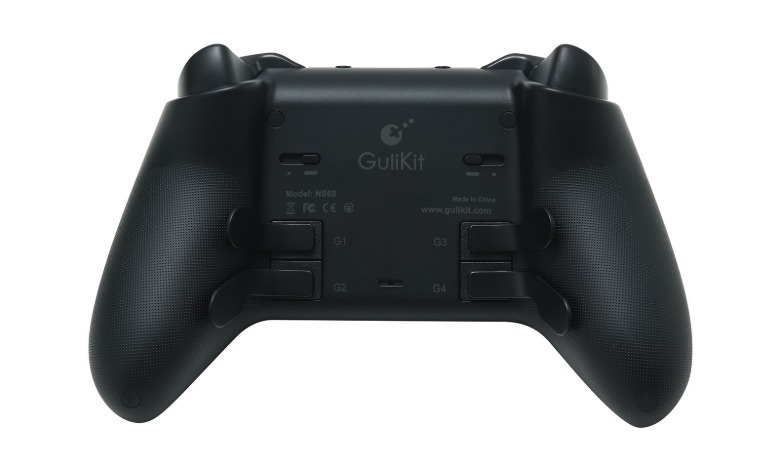
- Versatile Inputs: It features four removable back paddles, a floating, customizable D-pad (toggleable between 4-way and 8-way), and triggers that offer both Hall effect smoothness and a mechanical digital click.
- Connectivity: Seamless pairing with the Switch 2, including the essential ability to wake the console remotely.
- Price Point: At $70, it sits comfortably below the cost of first-party pro controllers while offering significantly more customization.
Chronology of Development and Design
The journey of the TT Max reflects the current trajectory of the controller market. As the Switch 2 evolved from rumors to reality, GuliKit identified a specific demographic of players: those who wanted to treat their handheld hybrid like a stationary powerhouse.
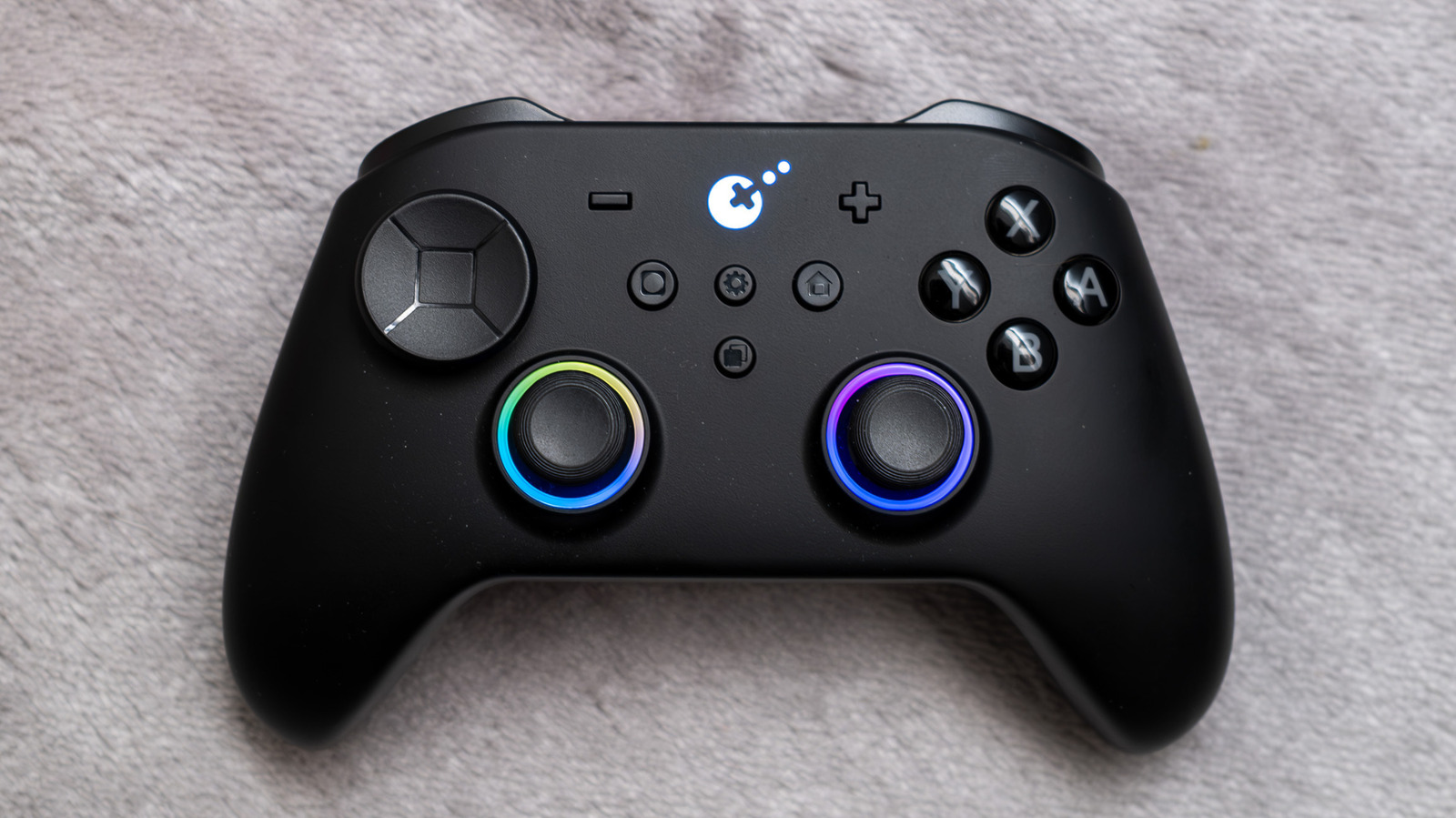
Historically, Switch controllers have leaned toward the "portable-first" philosophy. GuliKit’s design process began with a departure from this trend. Early prototypes focused on the "big hand" ergonomics that were previously ignored by smaller, more travel-friendly peripherals. By mid-development, the focus shifted to "fidget-toy" levels of sensory feedback. The engineers incorporated textured grips, flared triggers, and a proprietary lighting system that serves as both an aesthetic flair and a functional indicator for stick sensitivity.
The inclusion of the hard-shell carrying case was the final touch, ensuring that despite its size, the controller remains protected for players who do choose to take their high-end gear on the go.
Supporting Data: Performance and Customization
The true test of any controller is in the heat of battle. Testing the TT Max across various titles—from the fast-paced intensity of Street Fighter 6 to the sprawling, high-fidelity environments of Cyberpunk 2077—reveals a device that excels in versatility.
Haptics and Audio
GuliKit has moved away from the one-size-fits-all vibration model. The TT Max features three distinct haptic modes:
- Rotary Motor: The classic, high-intensity rumble that most players recognize.
- Maglev Haptics: A proprietary, ultra-quiet, and sophisticated vibration profile that is the gold standard for immersion without the mechanical noise.
- HD Vibration: The native Switch 2 standard, offering pinpoint feedback, though it can be slightly noisy depending on the game’s audio mix.
Lighting as a HUD
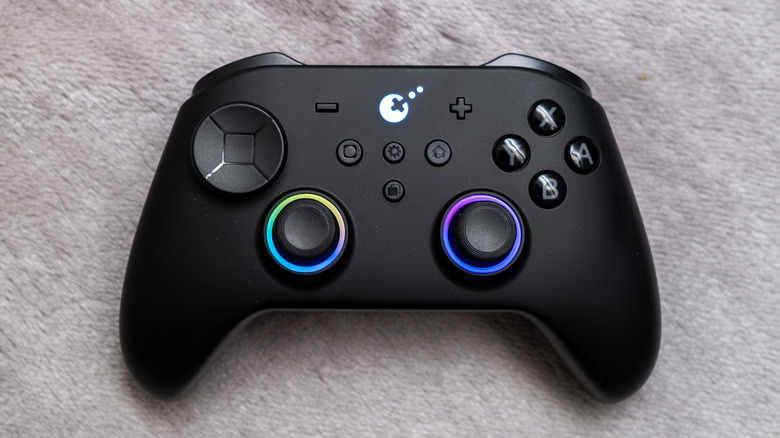
The RGB integration is not merely cosmetic. The rainbow rings around the joysticks act as a secondary HUD for the controller settings. Pink, blue, and green LEDs provide instant visual confirmation of stick sensitivity levels (50%, 100%, and 150%, respectively). This design choice eliminates the need for cumbersome software overlays, keeping the player’s focus entirely on the game.
Battery Life and Power Management
The controller boasts a robust battery life. In real-world testing, it manages roughly 26 hours of gameplay with the RGB lighting disabled. Enabling the lights reduces this to approximately 14 hours—still more than enough for long gaming sessions or an entire weekend of play without reaching for a USB-C cable.
Official Responses and Manufacturer Intent
GuliKit has been vocal about the "Pro-sumer" market segment they are targeting. In official communications, the company emphasizes that the TT Max was built to prove the Switch 2 is a "legitimate current-gen console."
By offering a controller that feels at home with heavy-hitting AAA titles like Elden Ring or Diablo IV, GuliKit is positioning itself as the bridge between Nintendo’s portable ecosystem and the high-performance standards of the PC gaming world. Their support for removable components, such as the extra D-pad and varying stick heights, is a direct response to the community’s demand for modularity, ensuring that the controller remains relevant even as individual player preferences shift over time.
Implications: The Future of Switch 2 Peripherals
The arrival of the GuliKit TT Max signals a maturation of the Switch ecosystem. As the console hardware becomes more capable of handling demanding third-party software, the peripherals must rise to meet that challenge.
Ergonomics vs. Portability
The TT Max challenges the industry standard of "smaller is better." It argues that for the "serious" player, comfort and tactile feedback take precedence over compactness. This shift could influence future designs from other manufacturers, potentially leading to a bifurcation in the market: lightweight, travel-sized controllers for casual use, and "beast-mode" controllers like the TT Max for home-based, high-fidelity gaming.
The Standardization of "Pro" Features
Features that were once considered luxury—such as Hall effect sensors, back paddles, and multi-platform compatibility—are becoming the baseline for mid-to-high-tier controllers. The TT Max sets a high bar for what a $70 controller should include. If other companies fail to provide similar levels of customization and build quality, they risk losing their standing in an increasingly competitive market.
Closing Thoughts
The GuliKit TT Max is more than just a piece of plastic; it is an endorsement of the Switch 2’s potential. It serves as a reminder that the line between "hybrid handheld" and "stationary console" is thinner than ever. Whether you are navigating the intricate menus of an RPG, executing frame-perfect inputs in a fighting game, or simply looking for a comfortable way to play your library on PC, the TT Max provides a premium experience that respects both the player’s hands and their wallet.
In a world of disposable tech, the TT Max feels like an investment—a sturdy, reliable, and deeply customizable companion for the next generation of gaming. For those who found the Nintendo Pro Controller lacking in weight or customization, the search ends here. The granddaddy of Switch 2 controllers has arrived, and it has set a new standard for the competition to follow.

 Rifan Muazin
 Sagoh
Sagoh