Laily UPN
As the haze continues to blanket parts of Malaysia, the Ministry of Education (MOE) has implemented a dynamic and localized strategy to manage the impact on the nation’s educational institutions. With air quality fluctuating across various regions, the government is prioritizing the health of students and staff by delegating decision-making power to state-level authorities, ensuring that operational status is based on real-time, localized data.
The Strategy: Decentralized Monitoring for Public Safety
The Ministry of Education (MOE) has moved away from a "one-size-fits-all" approach, instead mandating that State Education Departments (JPN) and District Education Offices (PPD) take the lead in monitoring the Air Pollution Index (API). This strategic pivot, formalized in a statement on 10 October 2026, was a direct response to growing public anxiety regarding the long-term health implications for students exposed to prolonged periods of poor air quality.
To execute this, MOE has directed the establishment of "Haze Monitoring Task Force Committees" across all states. These committees are tasked with the rigorous, daily tracking of API readings at critical times throughout the day. By analyzing these figures, State Education Directors are empowered to make immediate decisions on whether schools should maintain physical operations or pivot to Belajar Dari Rumah (Home-based Learning, BDR) and Pengajaran dan Pembelajaran di Rumah (Teaching and Learning from Home, PdPR).
To ensure logistical efficiency, the MOE has instituted strict communication deadlines. Announcements regarding school status for the following day must be finalized by 2.45pm on weekends to assist families with boarding school arrangements, and by 5.45pm on weekdays. This protocol ensures that parents and guardians have adequate time to organize childcare or home-based learning schedules.
Chronology of Operations: October 12–13, 2026
The situation across Malaysia has been fluid, with some regions experiencing significant improvements in air quality, while others have faced deteriorating conditions that necessitated swift intervention.
Developments for 13 October 2026
By the morning of 13 October, the operational landscape had shifted once again, reflecting the unpredictable nature of the haze.
- Melaka: A total closure of all registered educational institutions was announced by the Melaka State Education Department. During this closure, students are expected to transition to PdPR, while teachers and administrative staff are permitted to work from home. Notably, critical assessments such as the Special School Entrance Assessment (PKSK) and the Sijil Tinggi Agama Malaysia (STAM) examination remain unaffected, proceeding as scheduled.
- Johor: The state remains under a blanket closure order. All schools in the state are shuttered, and the education department is providing daily updates. Significant academic disruptions have occurred, including the postponement of the Year 4 Learning Matrix (MPT4) and the rescheduling of the PKSK to 19–22 October.
- Pahang: The haze has specifically impacted the districts of Rompin and Kuantan, which were ordered to close starting 13 October. The Pahang State Education Department confirmed these closures would remain in effect until air quality returns to safe levels.
- Selangor: The crisis has forced localized closures in four districts: Hulu Langat, Petaling Perdana, Kuala Langat, and Sepang. Schools in all other districts continue to operate as usual, highlighting the highly localized nature of the current air pollution.
- Kuala Lumpur: A recovery trend was noted in the federal capital. Following persistent monitoring and an improvement in API readings to below 150, the Kuala Lumpur Federal Territory Education Department announced the reopening of all educational institutions for face-to-face learning, effectively ending home-based arrangements.
- Perak and Penang: Both states reported that air quality remained within manageable parameters, with schools operating as usual. Authorities in both regions continue to maintain a state of high alert, advising school administrators to restrict outdoor activities if local API readings spike.
Retrospective: The 12 October Status
On 12 October, the landscape was markedly different. While Perlis, Putrajaya, and Pahang maintained normal operations, Kuala Lumpur exhibited a split status: schools in Sentul and Keramat were permitted to reopen, whereas the Bangsar/Pudu district remained closed due to an unhealthy API reading of 152 at the Cheras monitoring station.
Supporting Data: The API Metric
The Air Pollution Index (API) serves as the backbone of the Ministry’s decision-making process. The MOE generally looks to keep students away from physical campuses when API levels reach thresholds deemed hazardous.
For many states, the benchmark of 150 serves as a critical decision point. When readings drop below this level, authorities often consider it safe enough to resume in-person classes, provided that rigorous health monitoring remains in place. However, the data is not just about the absolute number; it is about the trend. As seen in Perlis, consistent improvements over three days (from 80 to 47) provided the confidence necessary to keep schools open throughout the current crisis.
Official Responses and Stakeholder Guidelines
The MOE has consistently emphasized that the responsibility for managing this crisis is shared between the state, the school administration, and the parents.
Guidelines for Teachers and Staff
During periods of closure, teachers are not "off duty." The mandate for PdPR requires them to deliver lessons remotely, ensuring that the academic calendar does not suffer irrevocable harm. In states like Melaka and Johor, members of the implementing group (AKP) are granted the flexibility to work from home, a measure designed to reduce traffic congestion and limit staff exposure to the haze.
Guidance for Parents
The primary instruction for parents and guardians is to remain vigilant and rely solely on official communication channels. The proliferation of misinformation during natural disasters is a significant concern for the MOE. Parents are urged to monitor the Facebook pages of their respective JPN and PPD offices, as these are the primary sources for the most accurate and up-to-date information regarding school closures.
Regarding boarding schools, the Ministry has granted principals the discretion to decide whether students should return home or remain in the dormitories. This decision is based on a risk-based assessment, weighing the safety of the student against the risks associated with travel during periods of low visibility and high pollution.
Implications for the Education System
The current haze situation highlights several long-term implications for the Malaysian education sector.
1. The Normalization of Hybrid Learning
The shift to PdPR and BDR is no longer an anomaly born of the pandemic; it has become a necessary tool for resilience. The ability of the education system to pivot to virtual learning within 24 hours reflects the technological infrastructure improvements made over the last several years. However, it also exposes the "digital divide," as students in rural areas may face different challenges in accessing remote learning compared to their urban counterparts.
2. Academic Scheduling and Assessment Integrity
The postponement of examinations like the PKSK and MPT4 underscores the fragility of the academic calendar. The MOE is currently walking a tightrope: balancing the need for rigorous, high-stakes testing against the safety of candidates who must travel to examination centers. The resilience of the exam board to reschedule these assessments while maintaining integrity remains a key focus for the coming weeks.
3. Public Health Awareness
The crisis has forced a broader conversation about air quality and student health. Schools are now more proactive in limiting outdoor sports and co-curricular activities. This shift is likely to result in a permanent change in how school facilities are designed and how outdoor physical education is managed in the future, with a greater emphasis on indoor air quality management.
Conclusion
As Malaysia continues to monitor the haze, the message from the Ministry of Education remains clear: safety is paramount, but the education of the nation’s youth cannot be indefinitely paused. By utilizing a decentralized, data-driven approach, the MOE is managing to balance these two competing priorities.
For the millions of students, parents, and teachers affected, the coming days will require continued patience and flexibility. While the API readings fluctuate, the commitment of the state education departments to provide clear, timely information remains the bedrock of the country’s response to this environmental challenge. Families are encouraged to keep a close watch on official channels for updates as the situation continues to evolve.


 Raul Delapena Setiawan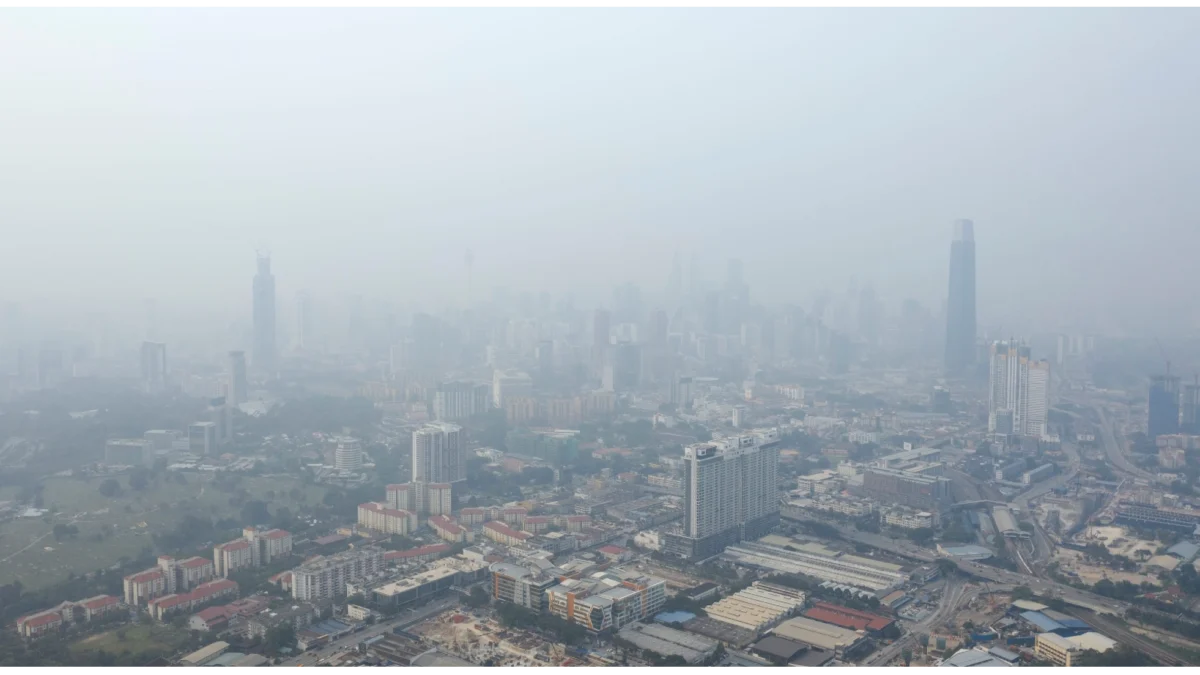
 Jia Lissa