Jia Lissa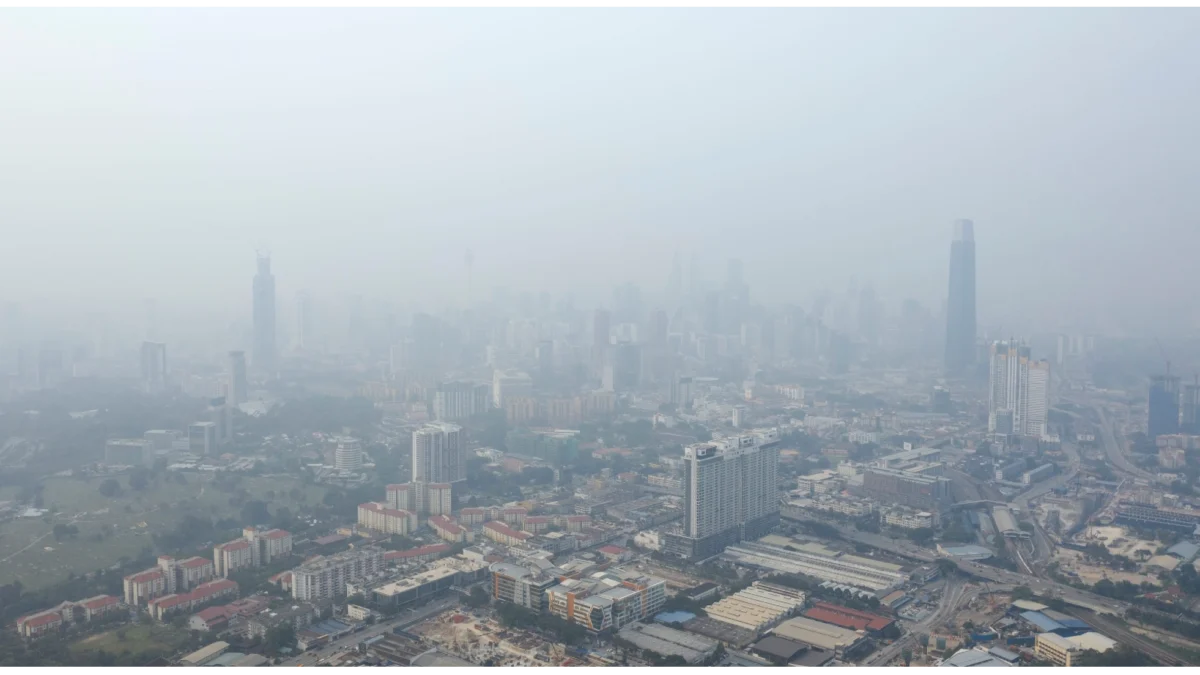
As the 2026 regional haze season intensifies, the Malaysian Department of Occupational Safety and Health (DOSH) has issued a critical advisory, placing the onus on employers to safeguard their workforce from the escalating health risks associated with poor air quality. With environmental reports signaling a potential "red" haze outlook across Southeast Asia, the health and safety of employees—both in office environments and on industrial sites—has become a top-tier priority for regulatory bodies.
In a formal statement released on 6 October 2026, Ir. Ts. Hajah Hazlina binti Yon, Director-General of DOSH, emphasized that failing to mitigate haze exposure is not merely an oversight but a potential breach of statutory obligations. As fine particulate matter (PM2.5) levels threaten to compromise workplace safety, the department is urging a transition from passive observation to proactive, documented risk management.
Main Facts: The Employer’s Mandate
The core of the DOSH advisory rests on the legal bedrock of the Occupational Safety and Health Act 1994 (Act 514). Specifically, Section 15(1) mandates that every employer must ensure, as far as is reasonably practicable, the safety, health, and welfare of all employees.
When ambient air quality deteriorates due to transboundary haze, "safety and health" extends beyond the physical perimeter of a building. Employers are now required to:
- Conduct Workplace-Specific Risk Assessments: Assessments must differentiate between outdoor environments, where workers are directly exposed to ambient air, and indoor environments, where ventilation systems may inadvertently cycle in polluted air.
- Implement Engineered Controls: Reliance on masks alone is insufficient. Employers are expected to maintain ventilation systems, install high-efficiency air filters, and utilize air purifiers.
- Adhere to Established Codes: The mandate aligns with the Indoor Air Quality (IAQ) Industry Code of Practice 2010, ensuring that environmental standards inside the office or factory are not just comfortable, but safe for long-term health.
Chronology: The Escalation of the 2026 Haze Crisis
The call to action from DOSH follows a series of regional warnings regarding the 2026 haze season. The timeline of this year’s crisis underscores the urgency of the department’s recent intervention:
- Early 2026: Meteorological models and regional environmental agencies began reporting abnormally dry conditions across parts of Indonesia and Borneo, sparking fears of a resurgence in transboundary haze.
- August 2026: Regional discussions among ASEAN member states intensified, with warnings issued to Brunei, Indonesia, Malaysia, and Singapore regarding a "red" haze outlook—a designation indicating that air quality could drop to hazardous levels for extended periods.
- September 2026: As local air quality indices (AQI) began to fluctuate, labor unions and health advocates called for clearer guidelines on work-from-home (WFH) flexibility and site-based safety precautions.
- 6 October 2026: DOSH formally issued its official statement, codifying the expectations for employers and referencing both the 1994 Act and the 2013 Guidelines for the Protection of Employees Against the Effects of Haze at Workplaces.
Supporting Data: The Science of PM2.5 Exposure
The primary concern cited by DOSH is the prevalence of PM2.5—particulate matter measuring 2.5 micrometres or less in diameter. To understand why these particles necessitate such stringent workplace controls, one must examine the physiological impact of prolonged exposure:
The Mechanics of PM2.5
Unlike larger dust particles that can be trapped by the nose or throat, PM2.5 is fine enough to penetrate deep into the lungs and enter the bloodstream. During a haze event, the concentration of these particles increases exponentially. In an industrial or office setting, if air filtration is inadequate, these particles settle on surfaces or circulate through HVAC systems, turning an "indoor" environment into a stagnant reservoir of pollutants.
Risk Assessment Criteria
DOSH highlights that risk management should be based on three primary factors:
- Work Location: Are employees working in open-air construction sites or closed office complexes?
- Duration of Exposure: How many hours a day are staff required to remain in the affected environment?
- Vulnerability: Does the workforce include individuals with pre-existing respiratory or cardiovascular conditions?
By integrating these variables into a formal risk assessment, employers can determine whether to limit outdoor activities, mandate the use of N95-grade respiratory protection, or temporarily transition to remote work arrangements.
Official Responses: DOSH’s Strategic Guidance
The Director-General, Ir. Ts. Hajah Hazlina binti Yon, has been clear: the responsibility for worker health is non-delegable. The department has provided two critical documents to assist employers in navigating these requirements:
- Guidelines for the Protection of Employees Against the Effects of Haze at Workplaces (2013): A foundational text that remains highly relevant, providing actionable steps for businesses to reduce the impact of low visibility and high pollution.
- Indoor Air Quality (IAQ) Industry Code of Practice 2010: This document serves as the benchmark for building managers and HR professionals to verify that their office filtration systems are meeting national standards.
The department’s message is one of "proactive and practical measures." They are encouraging firms not to wait for government-mandated site closures, but to preemptively adjust operations to avoid the health and legal consequences of inaction.
Implications: The Legal and Operational Burden on Employers
The current haze crisis is reshaping the landscape of corporate social responsibility (CSR) and operational resilience in Malaysia. The implications for the private sector are multifaceted:
Legal Liability and Compliance
Under Act 514, an employer’s failure to act can lead to significant penalties. Beyond fines, employers face potential litigation if employees develop health complications linked to workplace exposure. In the modern legal climate, documenting risk assessments—and, more importantly, the steps taken to mitigate those risks—is the best defense against regulatory scrutiny.
Operational Adjustments
Businesses are now forced to consider the cost of "Clean Air Infrastructure." This includes:
- Retrofitting HVAC Systems: Upgrading filters to MERV 13 or higher to ensure the capture of fine particles.
- Operational Flexibility: Creating a "Haze Response Plan" that allows for shift adjustments or remote work for non-essential personnel when air quality levels reach "Unhealthy" or "Hazardous" thresholds.
- Procurement of PPE: Stockpiling N95 masks for staff whose roles require them to be outdoors, ensuring they are properly fitted and replaced as per health guidelines.
The Human Capital Aspect
Beyond the legalities, there is the issue of productivity and talent retention. Employees are increasingly conscious of their health. Organizations that demonstrate a commitment to air quality through transparent communication and tangible protective measures are more likely to maintain morale during the stressful haze season. Conversely, businesses that ignore the guidelines risk high absenteeism and potential loss of human capital due to health-related burnout.
Looking Forward: A Regional Challenge
As Malaysia prepares for what may be a long and challenging season of transboundary haze, the collaboration between the state and the private sector is more critical than ever. The "red" haze outlook is a stark reminder that environmental challenges are not isolated; they require a coordinated response that includes government oversight, corporate vigilance, and individual awareness.
DOSH’s mandate serves as a clear indicator that the regulatory environment is tightening. Employers are expected to be the first line of defense, ensuring that the safety of the workforce remains the priority, even as external environmental factors remain volatile.
For further updates and regional manpower news, professionals are encouraged to monitor official government channels and keep abreast of industry guidelines as the situation develops. The message for the coming months is clear: Assess, Control, and Protect. In the face of the haze, the workplace must remain a sanctuary for health, not a source of environmental risk.
For the latest developments in occupational health and safety, or to stay updated on regional labor news, follow Human Resources Online on Telegram and Instagram.

 Asro
Asro
 Nana Wu