
 Raul Delapena Setiawan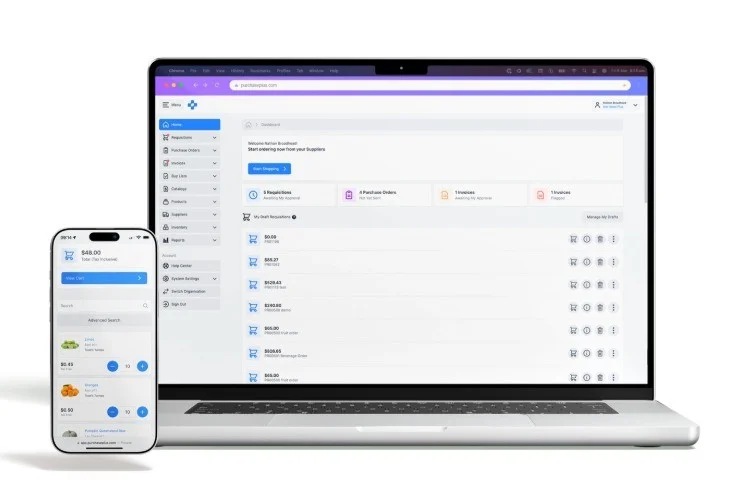
In a significant move for the hospitality technology sector, PurchasePlus—a seasoned veteran of the procurement software landscape—has officially launched its U.S. operations. Headquartered in Seattle, Washington, the company brings with it a quarter-century of institutional knowledge gained from navigating the complex supply chains of the Asia-Pacific, Southeast Asia, and the United Kingdom. This expansion marks a pivotal moment for the firm as it pivots to address the unique logistical and financial challenges facing modern American hoteliers.
The Evolution of PurchasePlus: A Chronology of Growth
The story of PurchasePlus is one of steady, calculated expansion. Founded in Australia, the company spent its first two decades perfecting the delicate balance of vendor management, inventory control, and financial reporting within the hospitality sector.
- 1999–2010: Foundational Years: Establishing a stronghold in the Asia-Pacific region, the company built its reputation on the back of rigorous supply chain management for international hotel groups.
- 2011–2020: Global Scaling: Expansion into the UK and other international markets allowed the team to refine its software for diverse regulatory environments and cultural procurement habits.
- 2023: The Great Rebuild: Recognizing that legacy software was struggling to keep pace with the hyper-connected, real-time demands of the modern digital hotel, the company initiated a complete, from-the-ground-up reconstruction of its platform.
- 2026: The U.S. Launch: With CEO Malcolm Jull relocating to Seattle, the company has officially planted its flag in the United States, signaling an aggressive push into the North American market.
The Technological Infrastructure: Bridging the Gap
At the heart of the company’s offering is a proprietary platform designed to eliminate the "silo effect" that plagues many hotel operations. In traditional hospitality setups, purchasing, inventory, and accounting often exist in disparate systems, leading to human error, bloated costs, and a lack of transparency.
PurchasePlus consolidates these functions into a single, unified ecosystem. Key features include:
- Real-Time Recipe and Beverage Costing: By linking inventory levels directly to menu engineering, operators can identify the exact cost—and margin—of every dish or beverage served, allowing for instant menu adjustments in response to commodity price fluctuations.
- Dynamic Financial Budgeting: The system connects hotel budgets to every purchase order and invoice in real time. This ensures that department heads remain within their financial constraints without waiting for month-end reports.
- Comprehensive Supplier Engagement: The platform bridges the gap between hotel staff and vendors, ensuring that product catalogs and pricing are always current, thus reducing invoicing disputes and back-office administrative burdens.
- Omni-Category Procurement: Unlike niche platforms that focus solely on food and beverage, PurchasePlus manages the entire lifecycle of hotel needs, from high-level FF&E (Furniture, Fixtures, and Equipment) and energy utilities to housekeeping supplies and specialized service providers.
The Human Element: Service Beyond Software
While the technology is the engine, CEO Malcolm Jull emphasizes that PurchasePlus is a Software-as-a-Service (SaaS) firm that prioritizes the "Service" component as much as the "Software."
"We believe that it’s not just about the technology—it’s about understanding how we can help you to get the most out of the platform every day," Jull stated in an interview with LODGING. "We aren’t just selling a license; we are providing a partnership that includes expert advice and fast, reliable support to help hotel teams navigate their operational hurdles."
This commitment to human-centric support is reflected in the company’s recruitment strategy. Jull has deliberately assembled a team of industry professionals from across the United States to ensure that the product is managed by individuals who understand the nuances of the American market.
Current leadership includes:
- Karen O’Neill: Senior Vice President, Revenue
- Jessica Hayes: Commercial Director, United States
- Jon Castillo: Vice President, Partnerships
- Jennifer Coppernoll: Implementation Manager
Strategic Alliances: The DayBlink GPO Partnership
Perhaps the most significant indicator of the company’s intent to disrupt the U.S. market is its newly formed global strategic partnership with DayBlink GPO.

DayBlink GPO serves as a premier buying consortium for luxury independent hotels. By integrating DayBlink’s deep-rooted supplier relationships and collective purchasing power with the PurchasePlus technological backbone, the two companies are effectively democratizing enterprise-level procurement. This partnership allows independent operators—who previously lacked the economies of scale enjoyed by massive global hotel chains—to leverage data-driven insights and better pricing.
"We’re targeting across all hotel groups," Jull noted. "Our goal is to work with large and small chains, independents, and brands alike, providing them the same level of visibility and control."
Implications for the U.S. Hospitality Industry
The entry of PurchasePlus into the U.S. market comes at a critical time. With rising labor costs, inflationary pressures on food and energy, and an increasing demand for sustainable and transparent supply chains, hoteliers are under immense pressure to improve their bottom lines through operational efficiency.
1. Increased Competitive Pressure
Existing domestic procurement platforms will likely face pressure to innovate. The PurchasePlus model, which emphasizes real-time integration and a holistic approach to every expense category, sets a high bar for competitors.
2. Democratization of Data
By bringing sophisticated, enterprise-grade tools to independent properties, PurchasePlus could alter the landscape of the boutique hotel sector. Access to real-time inventory and budget tracking was once the exclusive domain of major brands; now, independent hotels can utilize these same insights to remain competitive in a landscape dominated by consolidation.
3. Sustainability and Waste Reduction
One of the hidden benefits of granular procurement software is the ability to track and minimize waste. By knowing exactly what is being ordered and how it aligns with actual consumption, hotels can significantly reduce their environmental footprint—a metric that is becoming increasingly important to both owners and modern travelers.
Conclusion: A Future-Forward Vision
As PurchasePlus settles into its new Seattle home, the focus for the remainder of 2026 is clear: brand awareness and trust. CEO Malcolm Jull is confident that the company’s deep history in the international market serves as a blueprint for success in the U.S.
"We have a lot of great brands that use us at other locations," Jull said. "We are looking forward to bringing that trust into this market as well."
For the American hospitality industry, the arrival of PurchasePlus represents more than just a new software option; it represents a shift toward a more connected, transparent, and efficient way of managing the lifeblood of any hotel: its supply chain. Whether it is a luxury independent property or a massive hotel chain, the tools now available through this partnership offer a path to improved profitability and, ultimately, a better guest experience. As the company continues to scale its local team and forge new partnerships, the industry will be watching closely to see how this international player changes the game on U.S. soil.


 Reynand Wu
 Siti Muinah





