
 Iffa Jayyana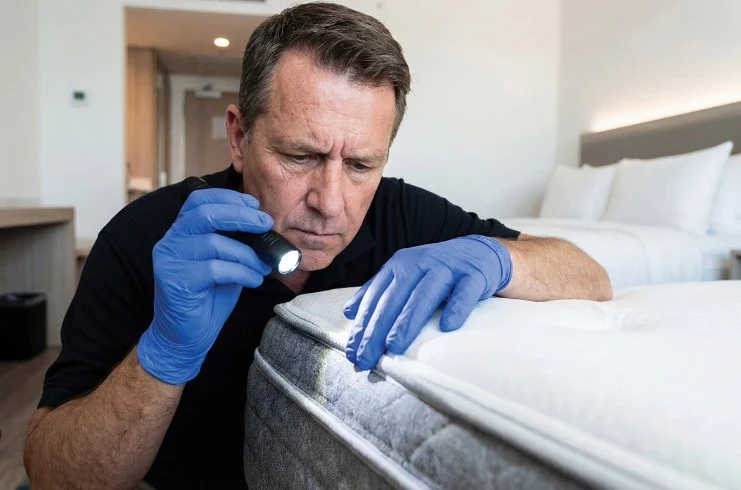
In the modern hospitality landscape, the guest experience is no longer defined solely by luxury amenities, high-thread-count linens, or gourmet dining. In an era where a single viral social media post can dismantle years of brand equity, the "invisible" aspects of hotel operations—specifically pest prevention—have become a critical pillar of risk management. For hoteliers, the presence of bed bugs, rodents, or cockroaches is not merely a sanitation issue; it is a direct threat to trust, revenue, and long-term viability.
The High Stakes of Pest Control: Implications for Modern Hoteliers
The intersection of guest expectations and digital transparency has changed the stakes for property owners. Today’s travelers are hyper-aware of hygiene standards, often vetting properties through user-generated content and review platforms. A singular, poorly managed pest sighting can trigger a cascade of negative reviews, resulting in decreased occupancy rates, significant legal liabilities, and, in severe cases, mandatory property closures.
Beyond the immediate reputational fallout, pests pose a tangible operational risk. Rodents can chew through electrical wiring, leading to fire hazards and costly mechanical repairs. Infestations in food and beverage (F&B) outlets can lead to health code violations, heavy fines, and the loss of liquor or operating licenses. Implementing a robust Integrated Pest Management (IPM) program is, therefore, not just a maintenance task—it is an essential business continuity strategy.
Understanding Integrated Pest Management (IPM)
Integrated Pest Management (IPM) is a sustainable, science-based approach to managing pests that combines biological, cultural, physical, and chemical tools to minimize economic, health, and environmental risks. Unlike traditional "spray-and-pray" methods that rely heavily on pesticides, IPM focuses on long-term prevention through inspection, exclusion, and sanitation.
The Six Pillars of Proactive Pest Defense
To maintain a pristine environment, management must adopt a multi-layered defense system. Below are the six core strategies that form the bedrock of a successful hospitality IPM program.
1. Targeted Inspection of High-Risk Zones
Pest activity is rarely random. It follows patterns dictated by food, water, and shelter. Proactive hoteliers categorize their properties into "high-risk zones" that require routine surveillance.
- The Kitchen and Dining Core: These areas are the primary targets for flies, cockroaches, and rodents. Regular monitoring of drainage systems, grease traps, and behind heavy appliances is non-negotiable.
- The Guestroom Ecosystem: Bed bugs are the primary concern here. Because they are "hitchhikers," they enter via guest luggage. Staff must conduct rigorous, periodic inspections of mattresses, box springs, headboards, and luggage racks. Catching a single bed bug early can prevent a full-scale room closure and the associated loss of revenue.
- Support Infrastructure: Laundry rooms, loading docks, and mechanical closets are often overlooked. These areas serve as breeding grounds due to heat and moisture. Regular auditing of these spaces prevents pests from migrating to guest-facing areas.
2. Staff Empowerment: The "First Responder" Mentality
Your staff is your most valuable sensor network. Housekeeping, maintenance, and front-desk employees move through the property daily and are the first to encounter the early warning signs of an infestation.
- Comprehensive Training: Education must move beyond surface-level cleaning. Training should focus on forensic identification: What does a rodent dropping look like? What are the tell-tale signs of bed bug fecal spotting on a mattress?
- Reporting Procedures: A culture of transparency is vital. If a housekeeper discovers a suspicious stain or a pest sighting, there must be a seamless, non-punitive system to report it immediately. When staff fear retribution for reporting issues, they are more likely to ignore them, allowing minor issues to fester into catastrophic infestations.
3. Exclusion: Closing the Architectural Gap
The most effective way to manage pests is to ensure they never enter the building. This is the "exclusion" phase of IPM.

- Structural Integrity: Even the smallest crack in a foundation or a gap around a utility pipe is a highway for rodents and insects. Facility managers should collaborate with pest professionals to conduct seasonal exterior audits.
- Hardening the Property: Simple, cost-effective measures—such as installing door sweeps on exterior doors, applying industrial-grade caulk to gaps in masonry, and replacing torn window screens—can drastically reduce the entry points for pests. These measures offer a high return on investment compared to the costs of reactive extermination.
4. F&B Sanitation: Denying the Food Source
In the hospitality industry, food and beverage outlets are high-traffic areas where organic matter is inevitably left behind. However, leaving behind crumbs, spills, or open containers is essentially inviting pests to dine.
- During Service: Staff must be trained to monitor beverage stations and buffet lines continuously. Sticky surfaces, fallen food, and moisture buildup near soda fountains are major attractants.
- Post-Service Protocols: Once service ends, the cleaning process must be rigorous. This includes deep-cleaning under equipment, sealing food in airtight containers, and ensuring that recycling bins are rinsed. Empty bottles are a primary attractant for fruit flies; a quick rinse significantly diminishes this risk.
5. Strategic Trash and Inventory Management
Waste handling is often the "weak link" in hotel sanitation. If not managed correctly, dumpsters become the primary hub for local pest populations.
- Waste Containment: Trash must be kept in lined, covered containers. Dumpster areas should be kept clear of debris, and these bins should be positioned as far from guest entrances as possible.
- The "First-In, First-Out" (FIFO) Rule: In storage rooms, inventory must be organized. Boxes should be kept off the floor, and items should be checked for signs of tampering upon delivery. If a box arrives with chewed edges or droppings, it must be rejected immediately to prevent the introduction of pests into the supply chain.
6. Hydration Control: The Moisture Factor
Pests require water to survive. In many cases, a hotel’s internal infrastructure—leaky pipes, high-humidity mechanical rooms, and pools—provides exactly what they need.
- Water Management: Maintenance teams should conduct "moisture sweeps" to identify dampness under sinks, behind ice machines, or near HVAC units.
- Pool and Spa Maintenance: Standing water on pool decks after rain or cleaning cycles creates breeding grounds for mosquitoes and other pests. Ensuring proper drainage and quick removal of standing water is essential for both guest comfort and pest prevention.
The Chronology of an Infestation: Why Speed Matters
Pest infestations typically follow a predictable timeline, and the cost of intervention grows exponentially with each phase.
- Introduction: A pest enters the property (e.g., a bed bug in a guest’s suitcase).
- Establishment: The pest finds a harborage area (e.g., the seams of a headboard) and begins to breed.
- Detection: Staff or guests notice signs of the pest. If this occurs at this stage, the problem is usually contained to a single room.
- Spread: If ignored, the pest moves through wall voids, ventilation shafts, or laundry chutes.
- Outbreak: The pest becomes visible to guests in common areas or guestrooms, leading to social media exposure and professional reputation damage.
By focusing on the Introduction and Establishment phases through the IPM strategies outlined above, hotels can ensure that they never reach the Outbreak phase.
Official Responses and Industry Best Practices
Industry experts and pest management associations emphasize that the most successful hotel operators are those who view their pest control provider as a partner rather than a vendor. A professional IPM provider should provide detailed data logs, heat maps of pest activity, and strategic recommendations for facility upgrades.
According to data from the National Pest Management Association (NPMA), properties that utilize a data-driven IPM approach report a 30% reduction in chemical usage and a significantly lower incidence of recurring pest complaints. By shifting from reactive "treatment" to proactive "prevention," hotels can better protect their bottom line and provide the peace of mind that today’s travelers demand.
Conclusion: Investing in the Guest Experience
Ultimately, the goal of any pest management program is to remain invisible to the guest. A successful IPM program allows a hotel to operate at its highest potential, where cleanliness is a given and the focus remains squarely on the quality of service. By training staff, securing the building’s perimeter, and maintaining rigorous sanitation standards, hotel owners can transform pest management from a source of anxiety into a competitive advantage. In the hospitality industry, a pest-free environment is not just a standard—it is a promise of quality to the guest.


 Reynand Wu
 Siti Muinah





