 Sagoh
Sagoh
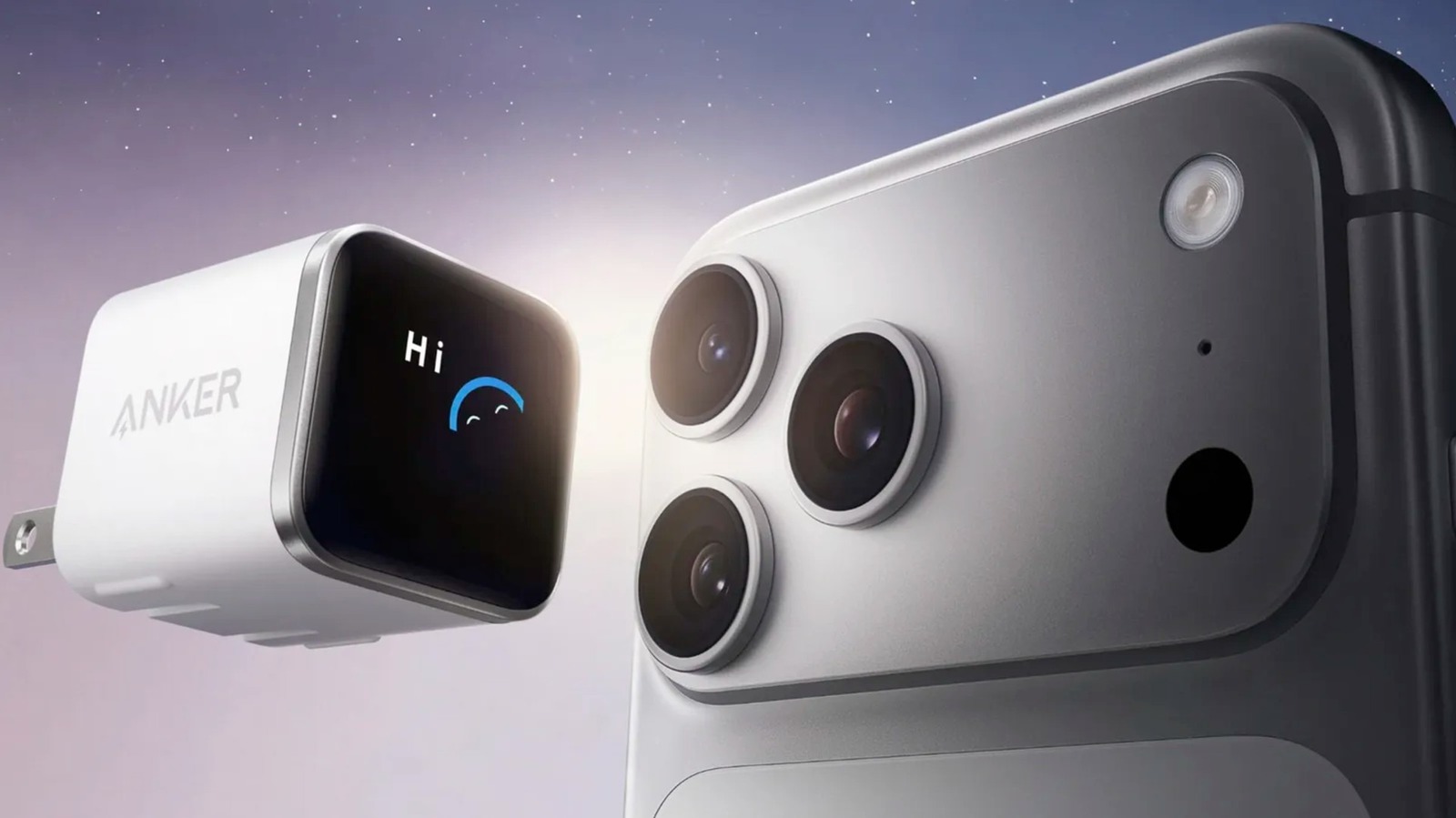
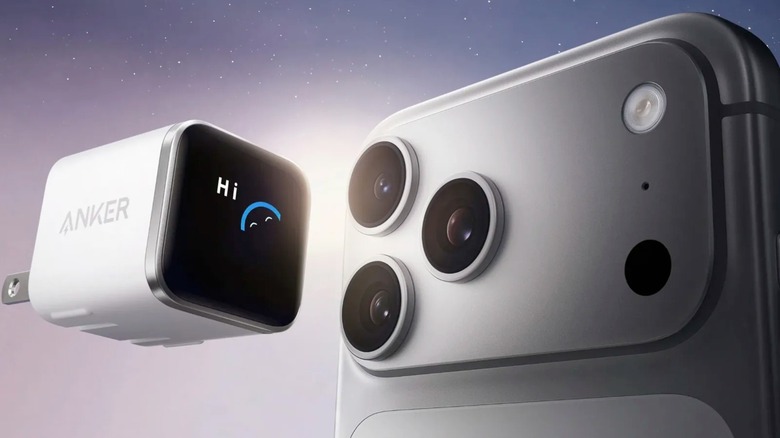
For over a decade, the humble wall charger has been a utilitarian necessity—a functional "black box" that we plug into a wall and promptly forget. It existed solely to move electricity from a grid to a device. However, as our personal electronics have become more sophisticated, the charging process has remained largely opaque. That is changing. Anker, a titan in the consumer electronics accessories market, has recently introduced a new generation of smart display chargers that transform the charging experience from a "blind" task into an interactive, data-rich event.
With the introduction of built-in digital displays and personality-driven user interfaces, Anker is attempting to bridge the gap between technical power management and consumer-friendly transparency. But beneath the cute digital mascots and glowing screens lies a significant leap in how we monitor, optimize, and protect our most expensive tech.
The Core Functionality: Why Data Transparency Matters
The primary innovation in Anker’s new line of chargers is the integration of a high-resolution, real-time smart display. For the average user, the charging process is a black box: you plug in your phone, an icon appears, and you hope for the best. Anker’s latest hardware removes the mystery.
At-a-Glance Diagnostics
The new display provides granular detail that was previously accessible only to engineers using specialized hardware. Users can now monitor:
- Real-Time Wattage: See exactly how much power your device is pulling in real-time. This helps users understand why a device might be charging slowly (e.g., using a subpar cable or a port with limited output).
- Charging Status and Battery Progress: For compatible devices, the charger provides a visual indicator of how far along the charge cycle is.
- Temperature Monitoring: Heat is the primary enemy of lithium-ion battery longevity. By displaying the temperature of the charging process, Anker allows users to identify if their device or environment is causing unnecessary thermal stress.
- Charging Mode Indicators: Users can distinguish between fast-charging protocols and standard trickle charging, ensuring that their device is receiving the intended power profile.
By democratizing this information, Anker is empowering consumers to troubleshoot their own setups. If a user notices that their phone is charging at a significantly lower wattage than expected, the display acts as an immediate diagnostic tool—revealing whether the bottleneck is the cable, the charger, or the device itself.
A Chronology of Innovation: From Basic Power to Smart Ecosystems
Anker’s journey to the "Smart Display" era did not happen overnight. Since its founding in 2011, the company has followed a distinct evolutionary path:
- The Foundational Years (2011–2015): Anker established its reputation by focusing on high-quality, reliable portable batteries and wall chargers. The focus was on "PowerIQ," a proprietary technology that allowed a single USB port to recognize the charging requirements of different devices.
- The GaN Revolution (2016–2020): The company pivoted to Gallium Nitride (GaN) technology, allowing them to shrink the physical footprint of chargers while increasing output. This was the era of the "Nano" series, which made high-wattage charging pocketable.
- Diversification and Integration (2021–2024): Anker expanded into smart home security (Eufy), portable power stations (Anker Solix), and premium docking stations. During this time, they began experimenting with digital feedback, including basic LED indicators on high-end power banks.
- The Smart Display Era (2025–Present): The current generation represents the marriage of hardware efficiency and software-driven interface design. The introduction of the "digital blob"—a mascot that reacts to user input—marks a shift in how hardware companies approach human-computer interaction (HCI).
Supporting Data: The Science Behind the Screen
The smart display is not just a gimmick; it is an interface for a sophisticated internal management system. To understand why this matters, one must look at the underlying hardware protocols.
PowerIQ and ActiveShield
Anker’s ecosystem relies on two pillars: PowerIQ and ActiveShield. PowerIQ is the "brain" that negotiates power delivery. Because an iPhone 17 Pro and a Samsung Galaxy S26 have different handshake protocols, the charger must dynamically adjust its voltage and amperage.
ActiveShield takes this a step further. It is a safety layer that utilizes temperature sensors to prevent thermal runaway. In the latest models, this system performs over 3 million temperature checks daily. When the charger detects that the temperature is rising too quickly, it communicates with the device to throttle the current, thereby protecting the battery’s health.
The Impact of "Care Mode"
One of the most compelling features in the new 45W Nano Charger is "Care Mode." This mode is explicitly designed for overnight charging. Standard fast charging can be detrimental to long-term battery health because of the high heat generated during the final "top-off" stages. Care Mode proactively slows the charging rate as the battery nears 100%, reducing thermal output by up to nine degrees Fahrenheit compared to standard 45W chargers. The display serves as the visual confirmation that the user has successfully engaged this battery-saving protocol.
Official Stance and Design Philosophy
Anker’s product designers have stated that the goal of the smart display is to eliminate "charging anxiety." According to company representatives, the "digital blob" mascot serves a dual purpose. First, it makes the act of interacting with a power brick—usually a boring task—engaging and memorable. Second, it serves as a tactile feedback mechanism.
The charger’s surface is touch-sensitive. A simple pat on the head of the digital mascot makes it smile, while aggressive or repeated tapping results in a "dizzy" animation. This is more than just whimsy; it encourages users to interact with the device, which in turn leads them to check the vital statistics displayed on the screen. By making the charger "cute," Anker ensures that the device is not tucked away behind furniture but kept in plain sight, making the essential data easier to monitor.
Implications for the Future of Consumer Electronics
The move toward smart, communicative chargers has significant implications for the broader tech industry.
1. Longevity and Sustainability
As smartphones and laptops become increasingly expensive, consumers are keeping their devices longer. Battery degradation is the leading cause of premature device replacement. By providing users with the tools to monitor charging temperature and wattage, Anker is effectively helping consumers extend the lifespan of their hardware. If a user can see that their phone is getting too hot, they can take corrective action, such as removing a case or choosing a different cable, thereby preserving the internal battery.
2. The Rise of "Intelligent" Accessories
We are likely to see a shift in the accessory market where the charger is no longer a passive component but an active participant in the ecosystem. Future chargers may sync with apps via Bluetooth or Wi-Fi to provide even deeper analytics—such as the total number of charge cycles a battery has undergone or predictive maintenance alerts for cables that are showing signs of high resistance.
3. Standardization vs. Proprietary Tech
The challenge remains the fragmentation of charging standards. While USB-C Power Delivery (PD) has become the global standard, different manufacturers still implement "secret sauce" in their fast-charging protocols. Anker’s displays help navigate this landscape by clearly showing whether a device is hitting its "Fast Charge" ceiling or if it has defaulted to a slower, safe-charging state.
Conclusion: A New Standard for Utility
The Anker smart display charger represents a unique intersection of playfulness and precision. While the "cute digital blob" might be what draws a user to the product initially, the actual value proposition is the technical transparency it provides. By shedding light on the invisible process of power delivery, Anker is moving the charger from the realm of "disposable commodity" to "essential diagnostic tool."
In an era where we demand data from our fitness trackers, our smart fridges, and our cars, it was only a matter of time before we demanded data from our power outlets. Whether you are a casual user wanting to keep your phone healthy or a tech enthusiast who likes to monitor every watt, the new generation of smart chargers offers a glimpse into a more informed, more efficient, and perhaps slightly more adorable future of consumer technology.

 Azzam Bilal Chamdy
 Laily UPN