 Neng Nana
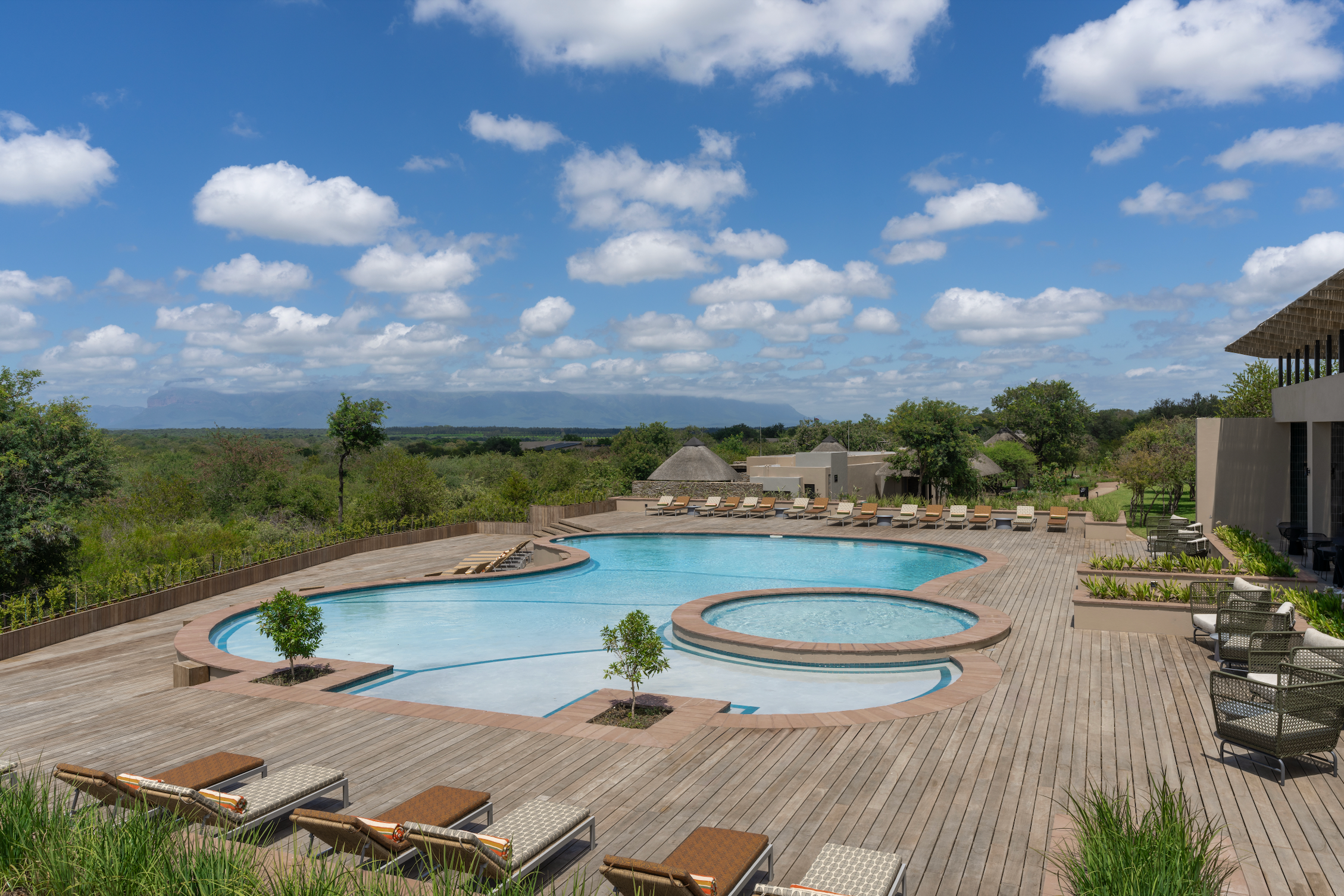
As global temperatures continue to climb, the hospitality industry faces an existential challenge: how to maintain the appeal of outdoor dining and social spaces when the mercury hits triple digits. For hotels, rooftops, patios, and garden bars have long been primary revenue drivers, offering the kind of "al fresco" experience that guests crave. However, as extreme heat becomes the new norm, these venues risk becoming liabilities rather than assets.
In a recent interview with LODGING, David Rames, HVAC R&D leader at Midea, argued that the industry must pivot from passive cooling strategies to proactive, high-efficiency climate control. By leveraging advanced ductless technology, hoteliers can transform their outdoor spaces from uncomfortable sweltering zones into climate-resilient, revenue-generating destinations.
The Heat Wave Dilemma: Why Passive Shade is No Longer Enough
For decades, the hospitality sector relied on "passive" cooling to mitigate heat: umbrellas, retractable awnings, and dense landscaping. While these aesthetic additions provide basic shelter from direct sunlight, they do little to combat the ambient air temperature—especially in urban environments where heat islands trap thermal energy well into the evening.
The business implications of failing to address this are significant. When a rooftop lounge is physically uncomfortable, guest dwell time drops precipitously. A customer who might have stayed for three rounds of cocktails and an appetizer will instead finish a single beverage and head back to the climate-controlled lobby or a nearby air-conditioned venue.
"If guests are uncomfortable, they leave," Rames notes. "It’s a simple equation. Failing to cool these spaces isn’t just a comfort issue; it’s a revenue leakage issue. If you aren’t providing an environment that encourages people to linger, you are effectively closing your own doors during peak summer hours."
Chronology of the Shift: From Fans to Precision Climate Control
The evolution of outdoor climate management in hospitality has followed a distinct trajectory.
- The Era of Evaporative Cooling: Early efforts to cool outdoor spaces relied heavily on "misting fans." While effective in dry climates, they often left guests feeling damp or humidified, creating an uncomfortable environment that wasn’t suitable for fine dining or upscale social gatherings.
- The Static Cooling Period: As air conditioning became more accessible, some venues attempted to install traditional split-system HVAC units. These were often bulky, loud, and poorly suited for open-air environments, leading to high energy costs and frequent mechanical failures due to moisture exposure.
- The Modern Integration Phase: Today, the industry is entering a new era characterized by "smart" ductless systems. These units, originally engineered for interior residential and commercial spaces, are now being adapted for outdoor use. By protecting these units with weather-resistant canopies or architectural integration, hotels can now provide directed, dry, and efficient cooling directly to the guest’s table.
Supporting Data: The Efficiency of Variable-Speed Technology
The core of this transition lies in the "variable-speed inverter compressor." Traditional HVAC systems operate on a binary "on/off" basis—they run at 100% capacity until the target temperature is reached, then shut off, only to kick back on when the temperature rises again. This constant cycling is energy-intensive and creates uncomfortable temperature fluctuations.
In contrast, Rames explains, the modern inverter compressor acts as a variable engine.
"Think of it like driving a car," Rames says. "On a cool morning, you don’t need to floor the accelerator to stay at 30 miles per hour. The compressor ramps down to 30% capacity, using significantly less energy while maintaining a steady, comfortable airflow. As the day heats up and you reach 95 degrees, the system intelligently scales its output to match the demand. You aren’t wasting energy on full-blast cooling when you don’t need it, and you aren’t leaving guests sweating when the heat peaks."
This level of precision is the key to energy efficiency. By matching the output to the immediate environmental load, hotels can minimize their utility bills while simultaneously maximizing guest comfort.
Expert Insight: Bridging the Gap Between Comfort and Utility
When asked about the most common mistakes hoteliers make when attempting to cool outdoor areas, Rames is blunt: "Relying on shade alone is a losing strategy. Shade blocks the sun, but it doesn’t move the heat."

The most effective approach, according to Rames, is a "hybrid strategy." By combining structural shade with the active airflow generated by ductless units, hotels can create a "micro-climate" around the seating area.
"We aren’t going to take a 95-degree day and turn it into a 72-degree arctic zone," Rames admits. "But if we can pull 60-degree air and gently circulate it across a guest’s table, the ‘feels-like’ temperature drops significantly. That breeze, combined with the removal of stagnant, hot air, is exactly what keeps a guest at a bar for two hours instead of twenty minutes."
The ROI of HVAC: A Long-Term Capital Investment
One of the most persistent hurdles in adopting advanced HVAC for outdoor spaces is the initial capital expenditure. Compared to a standard industrial fan, a high-quality ductless mini-split system requires a larger upfront investment and professional installation.
However, Rames encourages owners to rethink this expense. "Stop viewing HVAC as an operational cost or a utility bill," he urges. "View it as an investment in your asset’s reputation. If you are the only rooftop bar in the city where guests can sit comfortably in July, you aren’t just selling drinks; you’re selling a premium experience. That reputation drives foot traffic, word-of-mouth, and, eventually, higher revenue that far outpaces the cost of the system."
He likens the maintenance of these systems to the upkeep of a luxury vehicle. Periodic service and proper installation are not merely expenses—they are necessary steps to ensure the long-term reliability and performance of the property’s most valuable social assets.
Future-Proofing: A Call for Proactive Management
As the climate changes, the "status quo" for hotel facility management is becoming increasingly fragile. Rames advocates for a culture of "constant contact" between hotel ownership, contractors, and manufacturers.
"The environment isn’t getting any cooler," Rames warns. "The heat waves we see today are likely to be the baseline for tomorrow. Hotel owners should be in constant dialogue with their installation partners to stay ahead of the technology curve. Are there new, more efficient refrigerants? Are there smarter control systems that can be integrated with existing building management software?"
He suggests that the most successful hotels of the next decade will be those that treat climate control as a living, evolving part of their business model rather than a "set it and forget it" utility.
Strategic Implications for the Hospitality Industry
The shift toward intelligent, ductless outdoor cooling has profound implications for the industry:
- Extended Operating Seasons: Hotels in regions once considered "too hot" for year-round outdoor dining can now extend their outdoor service seasons by weeks or even months.
- Increased Revenue Density: By making outdoor spaces more comfortable, hotels can increase the occupancy of their least utilized square footage, effectively expanding their footprint without the need for physical construction.
- Brand Differentiation: In a competitive hospitality market, the ability to guarantee guest comfort—regardless of the weather—becomes a powerful marketing tool. It signals to guests that the hotel prioritizes their experience over simple cost-cutting measures.
Conclusion: The New Standard for Hospitality
As the industry looks toward the future, the integration of high-efficiency cooling is no longer a luxury—it is a necessity for properties that intend to remain competitive. By adopting the principles of variable-speed, energy-efficient technology and moving beyond passive shade, hoteliers can ensure that their outdoor venues remain the vibrant, profitable hubs they were designed to be.
The message from experts like David Rames is clear: The climate is changing, but with the right technological investment, the hospitality industry can adapt. By turning climate resilience into a pillar of the guest experience, hotels can ensure that their outdoor bars and patios remain "the coolest place in town," no matter what the thermometer says.


 Raul Delapena Setiawan
 Lina Irawan