Dwi Wanna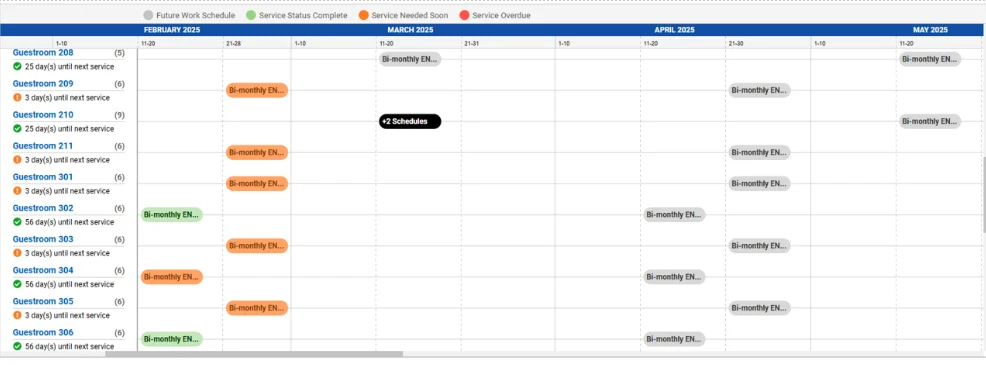
For decades, the hospitality industry operated under a reliable, almost rhythmic formula for success: drive RevPAR through aggressive demand generation, optimize dynamic pricing strategies, and maintain a watchful eye on traditional operating expenses. It was a model built on the assumption that revenue growth would always outpace inflationary cost pressures. Today, that foundation has fundamentally shifted.
The modern hotelier is navigating a landscape where the traditional levers of profitability—occupancy and room rates—are being stifled by a persistent surge in operating costs. As the industry faces a structural economic realignment, the focus is pivoting away from the "growth-at-all-costs" mentality toward a more disciplined, technology-driven model of operational efficiency.
The Shrinking Margin: A New Economic Reality
The industry is currently grappling with a sobering set of metrics. According to the AHLA State-of-the-Industry Report, hotel operating costs have risen four times faster than revenue over the past five years. Even as travel demand has reached a state of stabilization, the financial recovery remains incomplete. When adjusted for inflation, industry profits currently sit approximately 10% below pre-pandemic levels.
This is not merely a transient post-pandemic hangover; it represents a permanent change in the cost structure of the hospitality sector. The drivers of this fiscal tightening are diverse and unrelenting:
- Utility Inflation: Utility expenses have surged 27.5% since 2019, impacting the bottom line of every property, regardless of scale.
- Maintenance Hurdles: As infrastructure ages and supply chain costs fluctuate, maintenance expenses have risen by 22.6%.
- The Insurance Crisis: In many critical markets, insurance premiums have more than doubled, creating a massive, unavoidable overhead that erodes operating margins.
The Human Capital Factor
Perhaps the most significant variable is labor. With more than 50% of total hotel operating expenses now tied directly to labor, the industry is at a breaking point. When human resources are the most expensive line item, any inefficiency in staff deployment, communication, or task management becomes a direct drain on profitability. The ability to coordinate teams effectively is no longer just a management preference—it is a survival imperative.
Chronology of a Shifting Landscape
To understand why operational efficiency has taken center stage, we must look at the progression of the last half-decade:

- 2019 – The Baseline: The industry operated under traditional, labor-intensive models with predictable seasonal cycles.
- 2020-2021 – The Disruption: The pandemic forced a radical, temporary reduction in services, followed by a sudden labor shortage that permanently increased the cost of talent.
- 2022 – The Inflationary Surge: As occupancy returned, hotels were hit by the compounding effects of energy costs, supply chain bottlenecks, and rising insurance premiums.
- 2023-2024 – The Efficiency Mandate: Operators realized that revenue growth alone could not cover these new costs. The focus shifted toward internal workflow optimization.
- 2025 and Beyond – The Digital Transformation: The current era is defined by the integration of AI-driven, centralized operations platforms that replace fragmented, manual coordination.
The High Cost of "The Way We’ve Always Done It"
Even in high-performing hotels, the persistence of manual, disconnected workflows creates "hidden" costs. When departments like housekeeping, engineering, and the front office operate in silos, the ripple effects are felt instantly by the guest and the P&L statement.
Common operational failures include:
- Communication Latency: Relying on radios or paper logs to report maintenance issues leads to "information drift," where requests are lost or delayed.
- Reactive Housekeeping: Without centralized, real-time status updates, housekeeping teams waste time checking rooms that aren’t ready, leading to unnecessary labor hours.
- Preventive Neglect: When engineering teams are trapped in a cycle of reactive repairs, they ignore the preventive maintenance that extends asset life, eventually leading to more costly capital expenditures.
In an environment where labor costs are the primary expense, these small, daily inefficiencies compound into significant annual losses.
Modern Solutions: Centralizing the Hotel Ecosystem
The industry’s response to these challenges has been the rapid adoption of specialized operations software, such as Amadeus HotSOS. These platforms function as the central nervous system of a property, digitizing workflows that were previously manual.
By connecting departments into a single digital ecosystem, hotels gain real-time visibility. When a guest submits a request—whether for extra towels or a lightbulb replacement—the information is instantly routed to the correct staff member. This eliminates the "middleman" of the front desk, reducing response times and ensuring that staff time is spent on high-value tasks rather than administrative relaying.
Specialized modules, such as Amadeus HotSOS Housekeeping, have further refined this process by providing mobile-first tools for room attendants. By managing room status in real-time, supervisors can optimize cleaning sequences, ensuring that the hotel can maximize inventory availability without over-scheduling staff.
Data-Driven Management: Turning Insight into Action
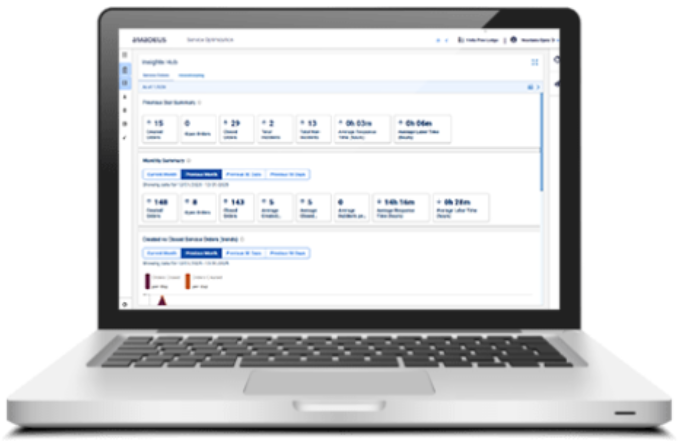
The transition from "reactive" to "proactive" management hinges on the ability to interpret operational data. The Insights Hub within modern platforms serves as a dashboard for general managers and department heads to monitor the "pulse" of their property.
Instead of guessing why service scores are fluctuating, leaders can now visualize:
- Service Response Times: Identifying exactly where the friction occurs in the guest journey.
- Workload Distribution: Balancing staff assignments to prevent burnout and ensure equitable task distribution.
- Bottleneck Identification: Pinpointing recurring issues, such as specific room types or equipment that require disproportionate attention.
By utilizing these metrics, leadership can make evidence-based decisions regarding staffing levels during peak periods or capital investment in aging infrastructure.
Removing Friction: The QR-Based Guest Experience
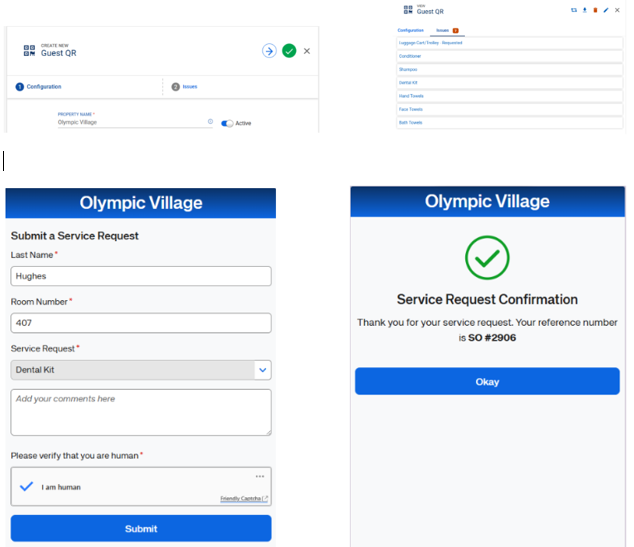
The shift toward efficiency is also a shift toward guest empowerment. Modern hotels are increasingly deploying QR-based service requests. By placing simple QR codes in guest rooms, hotels provide an immediate, language-agnostic interface for guests to communicate their needs.
This technology does more than just please the guest; it optimizes the back-of-house workflow. By digitizing the request at the point of origin, the need for manual data entry by staff is entirely eliminated. The request flows directly into the work queue of the relevant department, ensuring that the service is fulfilled with precision and speed.
Proactive Maintenance: Protecting the Asset
A property is a massive physical asset that requires constant care. The Guestroom Planner feature in modern software moves maintenance away from "fire-fighting" and toward a structured, calendar-based planning model.
By mapping out preventive maintenance cycles, engineering teams can ensure that rooms are serviced during low-occupancy periods, preventing the need to take rooms out of inventory during high-demand dates. This proactive approach has three distinct benefits:
- Extended Asset Lifecycle: Regular maintenance prevents the catastrophic failures that require expensive emergency repairs.
- Safety and Compliance: Automated tracking ensures that all safety protocols and equipment inspections are completed and documented.
- Guest Satisfaction: A room that works exactly as expected is the baseline for a positive review. By preventing issues before they occur, hotels protect their reputation.
Implications: The Path to Sustainable Profitability
As we look toward the future, the definition of a "successful" hotelier is evolving. It is no longer just the operator who can drive the highest occupancy, but the operator who can maintain the highest margins through superior operational discipline.
The integration of technology into the core of hotel operations is not a trend; it is a structural necessity. Properties that fail to modernize their workflows will find themselves trapped in a cycle of rising labor and utility costs that they cannot out-earn. Conversely, those that embrace digital operational platforms will find themselves with a competitive advantage: the ability to deliver a consistent, high-quality guest experience while simultaneously shielding their bottom line from the pressures of the modern economy.
In an industry where the margins are razor-thin and the stakes are high, the ability to operate smarter is the only path forward.
Interested in elevating your property’s performance?
To learn more about how modern software can streamline your operations, visit Amadeus HotSOS and Amadeus HotSOS Housekeeping. For actionable steps, download the Hotel Operations Checklist to begin your journey toward greater efficiency.


 Nila Kartika Wati
 Layla Zulfa