 Suro Senen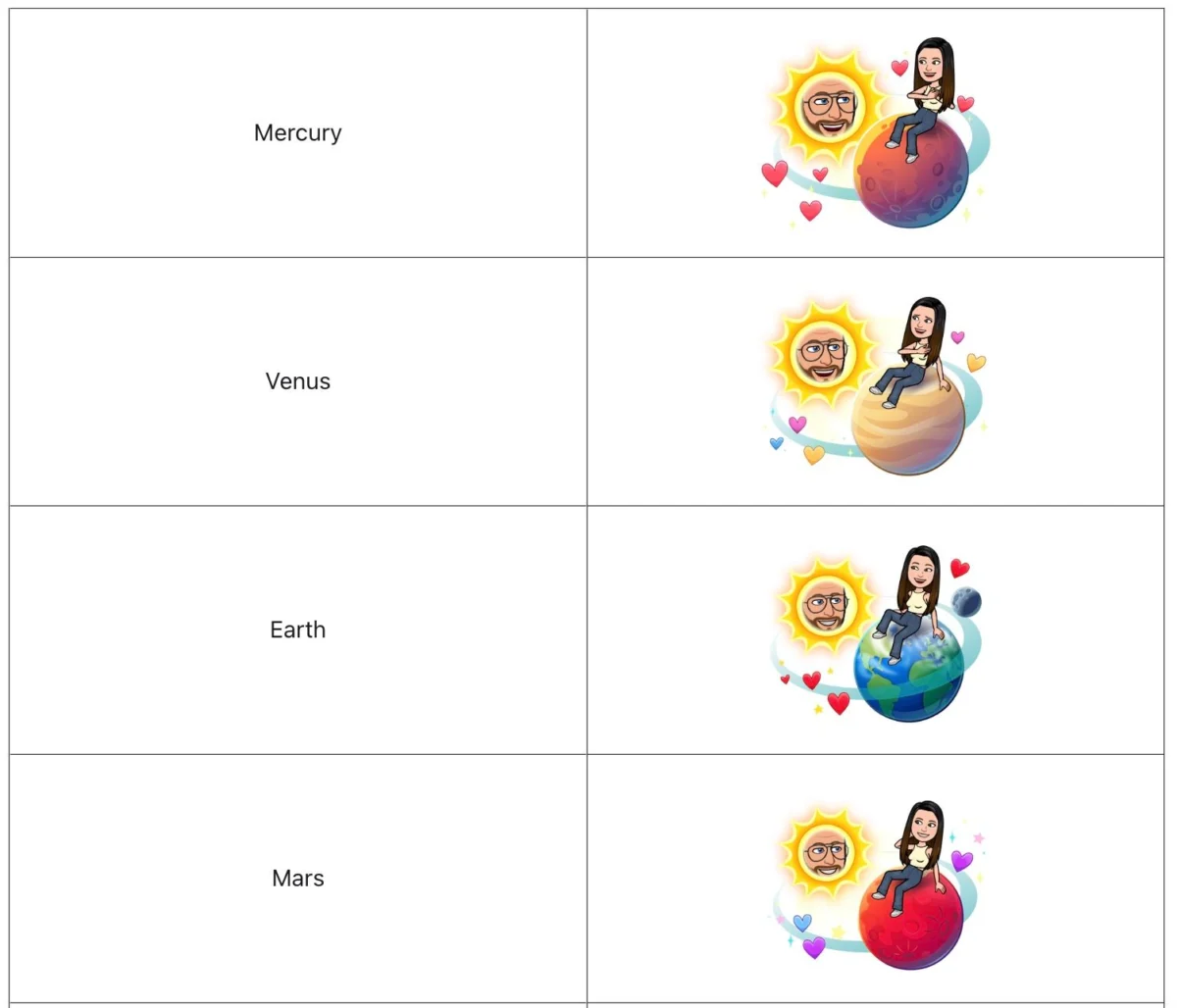
In the ever-evolving landscape of social media, Snapchat has consistently distinguished itself through a unique vernacular of digital interaction. From the early days of disappearing photos to the introduction of Snapstreaks and complex emoji-based relationship status indicators, the platform has thrived on gamifying interpersonal connectivity. Among its most recent and debated additions to the Snapchat+ subscription service is the "Friend Solar System," colloquially known as "Snapchat Planets."
This feature transforms the mundane list of your closest contacts into a cosmic hierarchy. While the feature offers a visually striking way to visualize digital intimacy, it has also sparked conversations about the psychological impact of ranking friendships and the complexities of managing social expectations in an era of algorithmic transparency.
The Core Concept: Decoding the Solar System
At its heart, the Friend Solar System is a data visualization tool. When a user subscribes to Snapchat+ and enables the feature, the platform analyzes the frequency and recency of interactions between the user and their connections to generate a "Best Friends" list. This list is then mapped onto a celestial model.
In this model, the friend—the person whose profile you are viewing—acts as the "Sun," the gravitational center of the system. You, the viewer, are assigned a planet based on your proximity to that person in their social orbit. The closer your planet is to the sun, the higher your rank in their list of most interacted-with contacts.
The hierarchy follows the traditional astronomical order, excluding Pluto:

- Mercury: 1st place
- Venus: 2nd place
- Earth: 3rd place
- Mars: 4th place
- Jupiter: 5th place
- Saturn: 6th place
- Uranus: 7th place
- Neptune: 8th place
If you are designated as Mercury, you are the user’s primary connection on the platform. If you see yourself as Neptune, you remain in their top eight, but you are at the periphery of their most active social circle.
A Chronological Evolution of Snapchat+ Features
To understand why features like the Friend Solar System exist, one must look at the trajectory of Snapchat’s business model. For years, the platform operated as a free, ad-supported service. However, in mid-2022, Snap Inc. introduced "Snapchat+," a paid subscription tier designed to offer "power users" access to experimental and exclusive features.
The Launch Phase (2022)
When Snapchat+ first debuted, it offered cosmetic changes, such as custom app icons and the ability to pin a "BFF" to the top of the chat window. The goal was to provide personalization rather than structural changes to social data.
The Gamification Phase (2023–2024)
As the subscription service matured, the features became more data-centric. The Friend Solar System was introduced as a marquee attraction for the service. It moved beyond simple UI changes and into the realm of social metrics, providing users with insights into their standing within their peer groups.
The Default Settings Shift (Current)
Recognizing that not every user desires to be ranked or to rank others, Snapchat recently updated the feature to be "off" by default for new subscribers. This change reflects a broader industry shift toward "privacy-by-design," allowing users to opt into the psychological weight of social ranking rather than having it forced upon them.

Supporting Data and Technical Functionality
The technical architecture behind the Friend Solar System is tied directly to the "Best Friends" algorithm. This algorithm is proprietary, but it is known to prioritize factors such as:
- Frequency of Snaps sent and received.
- Consistency of communication (streaks).
- Chat activity levels.
- Recency of interaction.
It is important to note that the system is unidirectional. Your standing in a friend’s solar system is based on their data, not your mutual interaction. You might consider someone your best friend (ranking them as Mercury in your own system), while they might rank you as Jupiter or not at all, depending on their total interaction volume with others. This "asymmetry of affection" is a key technical nuance that users often overlook.
Distinguishing "Best Friends" from "Friends"
Snapchat differentiates between these two statuses with specific badges:
- Best Friends Badge: This signifies a mutual, high-tier connection. Both parties are in each other’s top social circles.
- Friends Badge: This indicates that you are in their orbit, but the relationship is not necessarily mutual.
Official Responses and Privacy Considerations
Snap Inc. has maintained that the feature is intended to be a "fun" way to visualize social closeness rather than a tool for gatekeeping or social anxiety. In various developer notes and support documentation, the company emphasizes that the Friend Solar System is a toggleable feature, granting users control over whether they want this data visible on their profiles.
Furthermore, the company has addressed concerns regarding the "Pluto exclusion." By omitting Pluto, they have aligned the feature with the current scientific consensus maintained by the International Astronomical Union (IAU), effectively capping the "Best Friends" display at eight slots.

The Psychological and Social Implications
The introduction of the Friend Solar System has prompted a significant debate among social scientists and digital culture critics.
The Gamification of Intimacy
By assigning planetary status to friends, Snapchat has effectively turned social interaction into a game. For younger demographics, where social standing is a primary concern, these rankings can create tangible pressure. Being "demoted" from Mercury to Earth can lead to perceived slights, even if the shift is merely the result of a temporary lull in communication.
The Transparency Paradox
While transparency is generally seen as a positive in user experience design, social media transparency—specifically regarding how we are ranked by others—is a double-edged sword. On one hand, it allows for a more "honest" view of social dynamics. On the other, it removes the "plausible deniability" that previously allowed users to interact with friends without the constant reminder of where they stand in a hierarchy.
Managing Expectations
The feature requires a level of digital maturity. Users must understand that these rankings are purely algorithmic. They are a reflection of platform engagement, not necessarily a reflection of the depth or value of a real-world friendship.
How to Manage the Feature
For those who wish to navigate this system, whether by engaging with it or opting out, the process is straightforward:

- Subscription: Ensure you are an active Snapchat+ subscriber.
- Accessing the Feature: Navigate to your profile, tap on the Snapchat+ banner, and locate "Friend Solar System" in the feature list.
- Toggling: Use the toggle to enable or disable the feature. Remember that disabling it will hide your placement from your friends, but it will also prevent you from seeing the placement of others.
- Viewing: Once enabled, navigate to a friend’s Friendship Profile. Look for the "Best Friends" or "Friends" badge with the gold ring. Tapping this will reveal the planet designation.
Conclusion
The Snapchat Friend Solar System is a masterclass in modern engagement design. It takes raw, backend interaction data and transforms it into a visual language that is both intuitive and highly addictive. However, as with all features that quantify human connection, it is essential to remember that the digital orbit is not the entirety of the relationship. While it is fascinating to see where you land in someone’s social system, the real-world value of a friendship remains defined by experiences that no algorithm can measure.
As Snapchat continues to iterate on these features, the responsibility remains with the user to interpret their "planetary status" with a healthy dose of perspective. In the vast, expanding universe of social media, being "Neptune" to a friend is still a sign of a connection—and in the digital age, that remains a powerful thing.

 Azzam Bilal Chamdy
 Laily UPN