Asro
Asro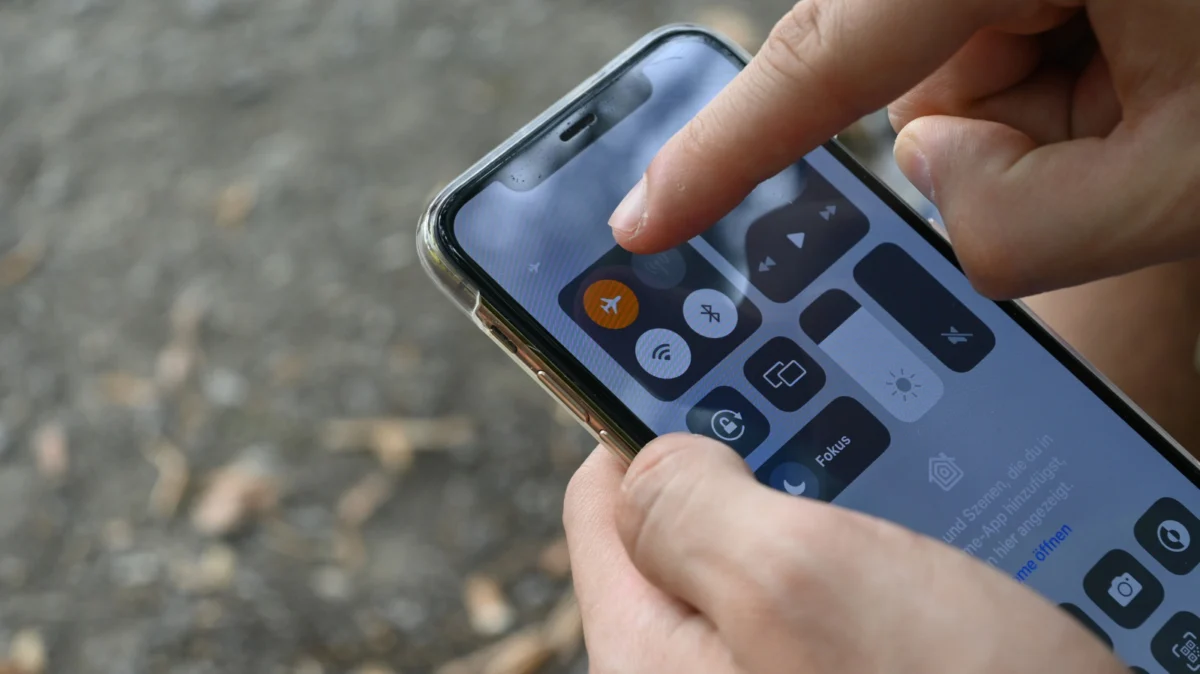
In the modern era, the smartphone has become an extension of the self. We rely on these pocket-sized computers for navigation, communication, banking, and entertainment. Consequently, "battery anxiety"—the visceral fear of seeing your percentage drop into the single digits—is a common modern ailment. In our quest for rapid replenishment, countless "life hacks" have circulated across social media and tech forums. Among the most persistent is the claim that enabling Airplane Mode while your device is plugged into a power source significantly accelerates the charging process.
While the technical premise behind this theory holds a grain of truth, the practical reality is far more nuanced. While turning on Airplane Mode does indeed shave a few minutes off your total charge time, the trade-off—rendering your phone essentially useless for communication—is rarely worth the marginal gains.
The Science of Power Consumption: What Happens in Airplane Mode
To understand why this myth persists, one must first understand what occurs inside your phone when Airplane Mode is toggled on. Modern smartphones are constant, ravenous consumers of energy. Even when they appear to be sitting idle in your pocket or on your desk, they are aggressively maintaining connections to cellular towers, scanning for nearby Wi-Fi networks, keeping Bluetooth handshakes active for wearables, and periodically checking for software updates and push notifications.
When you enable Airplane Mode, you are effectively forcing the device’s baseband processor and radio antennas into a state of dormancy. By severing the link to the outside world, you eliminate the power drain associated with the constant "handshaking" that occurs between your phone and local infrastructure.
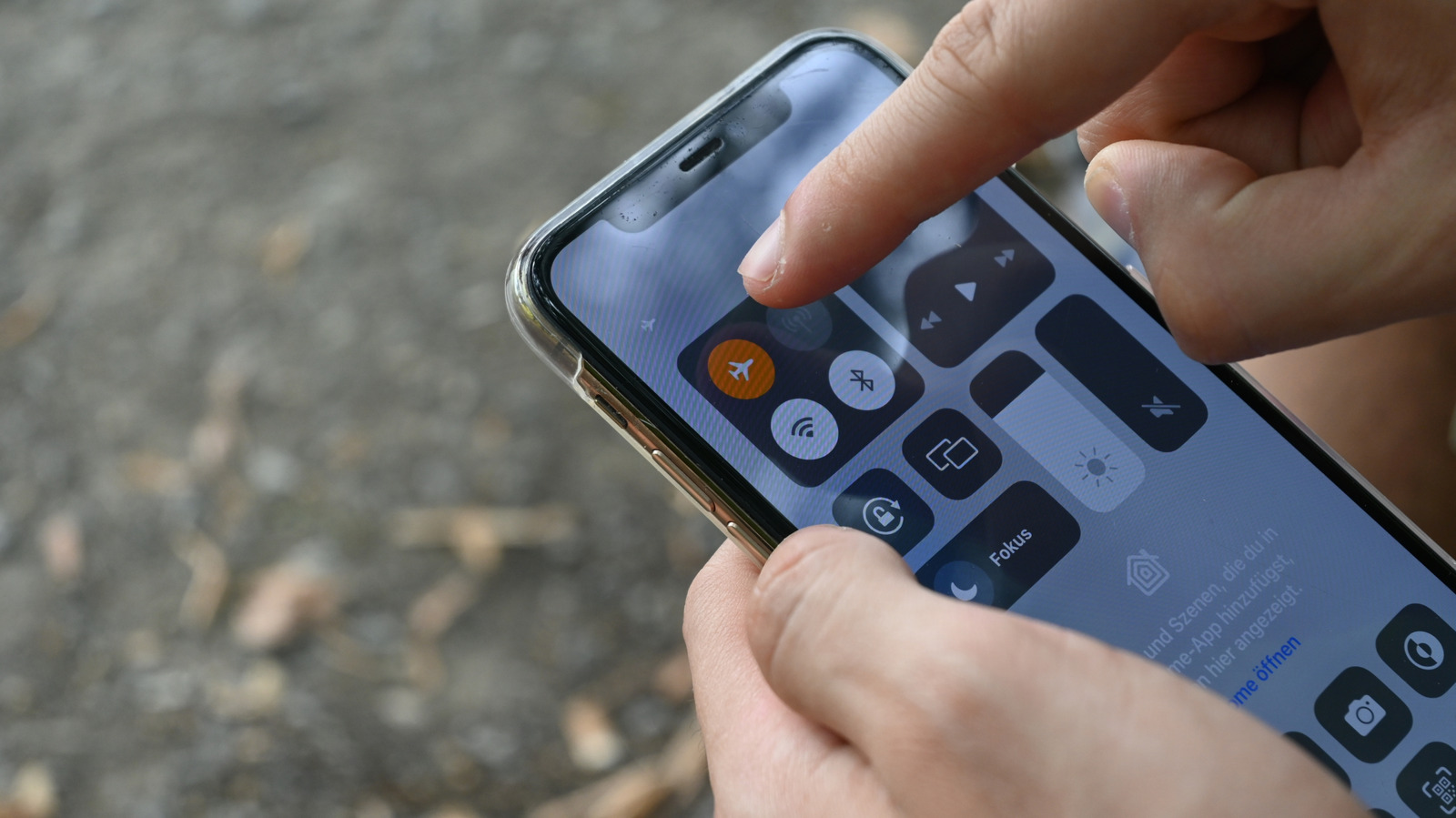
Technically, this does reduce the overall system load. Because the phone is consuming slightly less energy to maintain its background connections, more of the current coming from your wall adapter is directed toward filling the lithium-ion battery. However, the energy consumption of these radios in a modern smartphone is a fraction of the total power draw, especially compared to the power required to drive the display, the processor, or the graphics unit.
Data and Dissection: Does the Math Add Up?
The empirical evidence is clear: the gains are underwhelming. Extensive testing across various generations of hardware—from older, less efficient handsets to the latest flagship devices—indicates that using Airplane Mode during a charge cycle typically results in a time saving of between 4 and 11 minutes.
Consider a device that takes 90 minutes to charge from 0% to 100%. A saving of 8 minutes represents a performance improvement of less than 10%. In the context of a busy workday or a travel schedule, those few minutes rarely provide the utility required to justify losing all cellular connectivity. If an urgent call, an emergency alert, or a time-sensitive email arrives, your phone will remain silent, creating a significant barrier to communication that most users simply cannot afford.
Evolution of Charging: The Hardware Shift
The industry has moved beyond the need for "hacks" like Airplane Mode. Manufacturers, aware of the demand for rapid power delivery, have invested billions in power management integrated circuits (PMICs) and high-wattage charging protocols.
The Bottleneck: It’s Not the Software, It’s the Hardware
The most common reason for slow charging is not the background tasks running on your phone, but the hardware being used to push power into it. Many users continue to use legacy power adapters—often the 5W bricks that were bundled with iPhones a decade ago—to charge modern, high-capacity batteries.
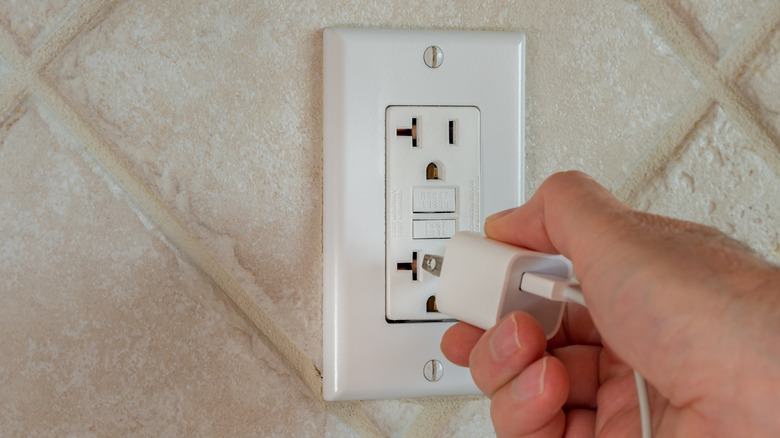
If you are using an underpowered wall block, your phone will be limited by the maximum output of that adapter, regardless of whether you have Airplane Mode on or off. To achieve "fast charging," users must ensure they are using a power delivery (PD) compatible charger that meets or exceeds the specific wattage supported by their device. For instance, modern flagship devices may support 30W, 45W, or even higher charging speeds, but those speeds are only accessible if the wall adapter and the USB-C cable are capable of handling that throughput.
The Cable Conundrum
Cable quality is a frequently overlooked factor. Not all USB-C cables are created equal. Using a low-quality or damaged cable can result in significant voltage drop, leading to slower charging speeds and, in some cases, potential heat buildup. Upgrading to a high-quality, certified USB-C-to-USB-C cable is almost always more effective than using software-based "tricks" to manage battery health.
The Strategic Alternative: What You Should Do Instead
If you find yourself frequently desperate for a charge, there are more effective strategies than toggling your connectivity settings.
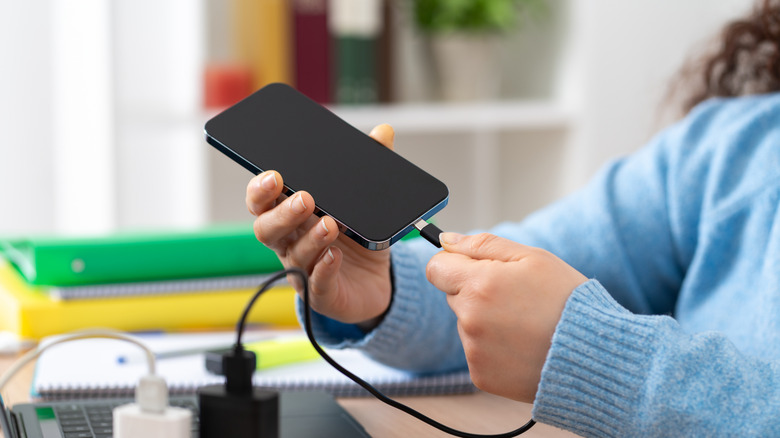
- Invest in High-Wattage GaN Chargers: Gallium Nitride (GaN) technology has revolutionized the size and efficiency of power bricks. A small, 65W GaN charger can often charge multiple devices simultaneously at high speeds, providing far more value than a slow-charging legacy block.
- Optimize Charging Habits: The most significant "drain" on a charging phone is the user. Lighting up the screen, browsing social media, or streaming video while the device is plugged in creates a "parasitic" load. If you must charge quickly, leave the phone alone. If you need to use the device, at least dim the screen brightness; the display is the single largest power consumer in any smartphone.
- Portable Power Banks: For the truly mobile user, a high-capacity power bank with fast-charging capabilities is the only reliable solution. It allows for on-the-go charging without the need to sacrifice connectivity or limit your device usage.
- Use "Do Not Disturb" or "Focus" Modes: If you are trying to charge your phone in a quiet environment and are concerned about battery drain from notifications, utilize your operating system’s "Do Not Disturb" settings. This allows you to silence incoming distractions without cutting off your access to the cellular network or critical alerts.
Implications for Battery Health
There is a common misconception that fast charging is inherently bad for long-term battery health. While heat is indeed the enemy of lithium-ion batteries, modern smartphone software is remarkably sophisticated. Most modern devices utilize "Optimized Battery Charging," which slows the intake of power once the battery hits 80% to mitigate thermal stress and extend the overall lifespan of the chemical cells.
By focusing on using the correct, high-quality hardware rather than software hacks, you are less likely to experience thermal throttling, which can actually cause a phone to charge slower as a protective measure. If a phone detects that it is becoming too hot—often due to a combination of high-speed charging and heavy usage—the system will intentionally throttle the charging speed to prevent damage. Thus, keeping your phone cool is far more important for speed than disconnecting it from the network.
The Verdict: Connectivity vs. Convenience
The desire to maximize charging speed is logical, but the obsession with Airplane Mode as a solution is misplaced. In the rare instances where you are minutes away from a flight or a meeting and need every percentage point possible, Airplane Mode can be a minor tool in your arsenal. However, it should be treated as a last resort, not a standard operating procedure.
For the vast majority of users, the solution to "slow charging" is not found in the settings menu, but in the shopping cart. By upgrading your charging ecosystem—buying a proper high-wattage power adapter and a robust, high-speed cable—you can achieve consistent, fast charging without the risk of missing critical communications.
Ultimately, your smartphone is a tool for connection. Turning it into an isolated, offline "brick" just to save a few minutes of charging time is a trade-off that rarely pays off. Instead, focus on using the right equipment and minimizing active screen time during the charge, and you will find your battery life concerns significantly diminished.

 Lina Hope
 Jia Lissa