 Nana Muazin
In the landscape of 2026, the global hospitality industry stands at a critical juncture. Hoteliers are grappling with a "triple threat" of operational pressures: persistent labor shortages, escalating guest demands for seamless, contactless interactions, and the overwhelming complexity of maintaining real-time data synchronization across a fragmented digital ecosystem of hundreds of online travel agencies (OTAs) and booking channels.
For property leaders, the Property Management System (PMS)—the central "brain" of the hotel—is no longer just a digital ledger. It is the primary strategic lever that dictates a property’s long-term viability. Replacing an outdated system is no longer a routine IT upgrade; it is a high-stakes pivot that effectively locks a hotel’s technological architecture for the next five to ten years.
The Evolution of the PMS: From Ledger to Ecosystem
Historically, a PMS was defined by its ability to record reservations and generate basic financial reports. Today, that definition is obsolete. A modern PMS serves as the operating system and the "ultimate single source of truth." It acts as a digital connective tissue that bridges the gap between disparate departments—front desk, housekeeping, point-of-sale (POS), and marketing—eliminating the data silos that often cripple operational efficiency.
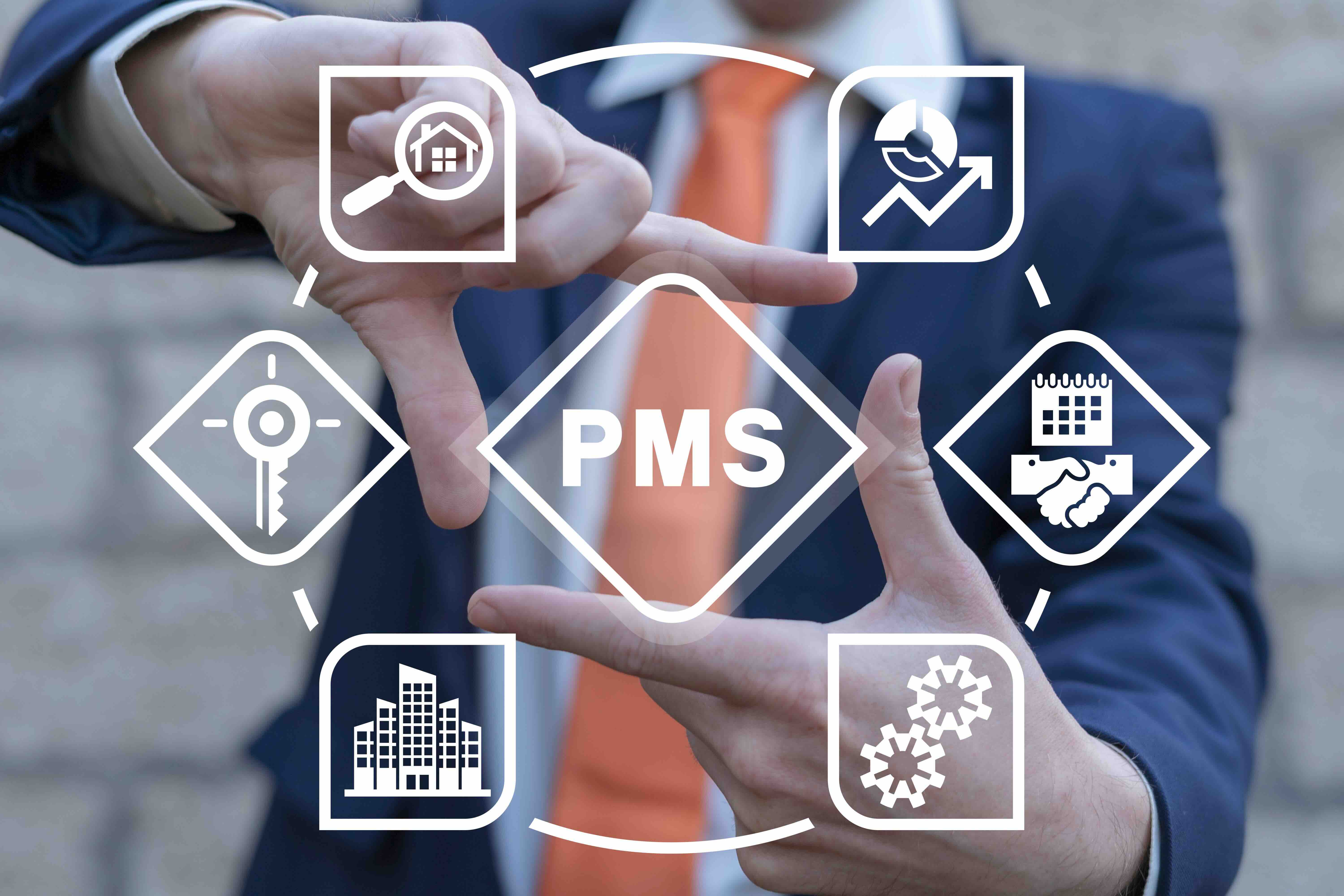
By centralizing these functions, a robust PMS minimizes manual entry, drastically reduces human error, and empowers staff to pivot away from administrative tedium toward what matters most: the guest experience.
A Chronological Shift: Legacy vs. Modernity
To understand the current market, one must look at the trajectory of hospitality technology.
- 1970s–1990s (The Legacy Era): The birth of on-premise systems. These were massive, capital-intensive installations requiring local hardware, cooling systems, and dedicated IT staff. They were functional but static, designed for an era before the internet dominated distribution.
- 2000s–2015 (The Transition): The introduction of early web-based tools and "hybrid" models, attempting to move data off-site while maintaining local control.
- 2016–2024 (The Cloud Revolution): The industry saw a massive migration toward SaaS (Software-as-a-Service) models, prioritizing speed, scalability, and the ability to integrate with third-party apps via APIs.
- 2025–2026 (The Intelligent Era): We have entered the era of AI-native platforms, where the PMS is shifting from a passive data repository to a proactive, autonomous assistant capable of predictive analytics and hyper-personalization.
The Five Pillars of PMS Deployment
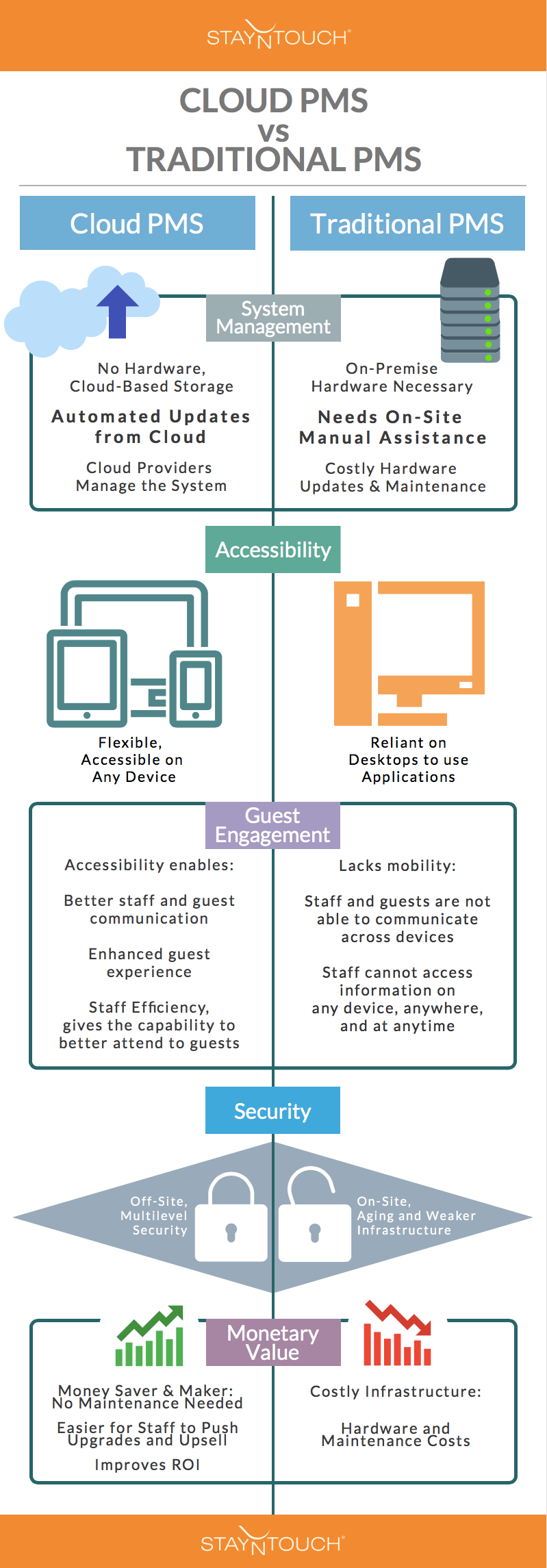
When decision-makers evaluate their tech stack, they often fall into the trap of focusing on surface-level features. However, the most critical differentiator is the deployment model, which dictates the total cost of ownership (TCO) and agility.
1. Cloud-Based (SaaS) PMS
The current gold standard for independent hotels and agile groups. By hosting data on secure, vendor-managed servers, these systems allow staff to access operations via any browser or mobile device. The subscription-based model lowers the barrier to entry, replacing massive capital expenditure (CapEx) with predictable operational expenses (OpEx).
2. On-Premise (Legacy) PMS
While increasingly rare, these systems persist in specific niches—typically large chains with decades of proprietary data or remote resorts with poor internet infrastructure. Their primary advantage is total local control; their primary disadvantage is the burden of constant manual updates, expensive maintenance, and a lack of modern automation.
3. Mobile-First PMS
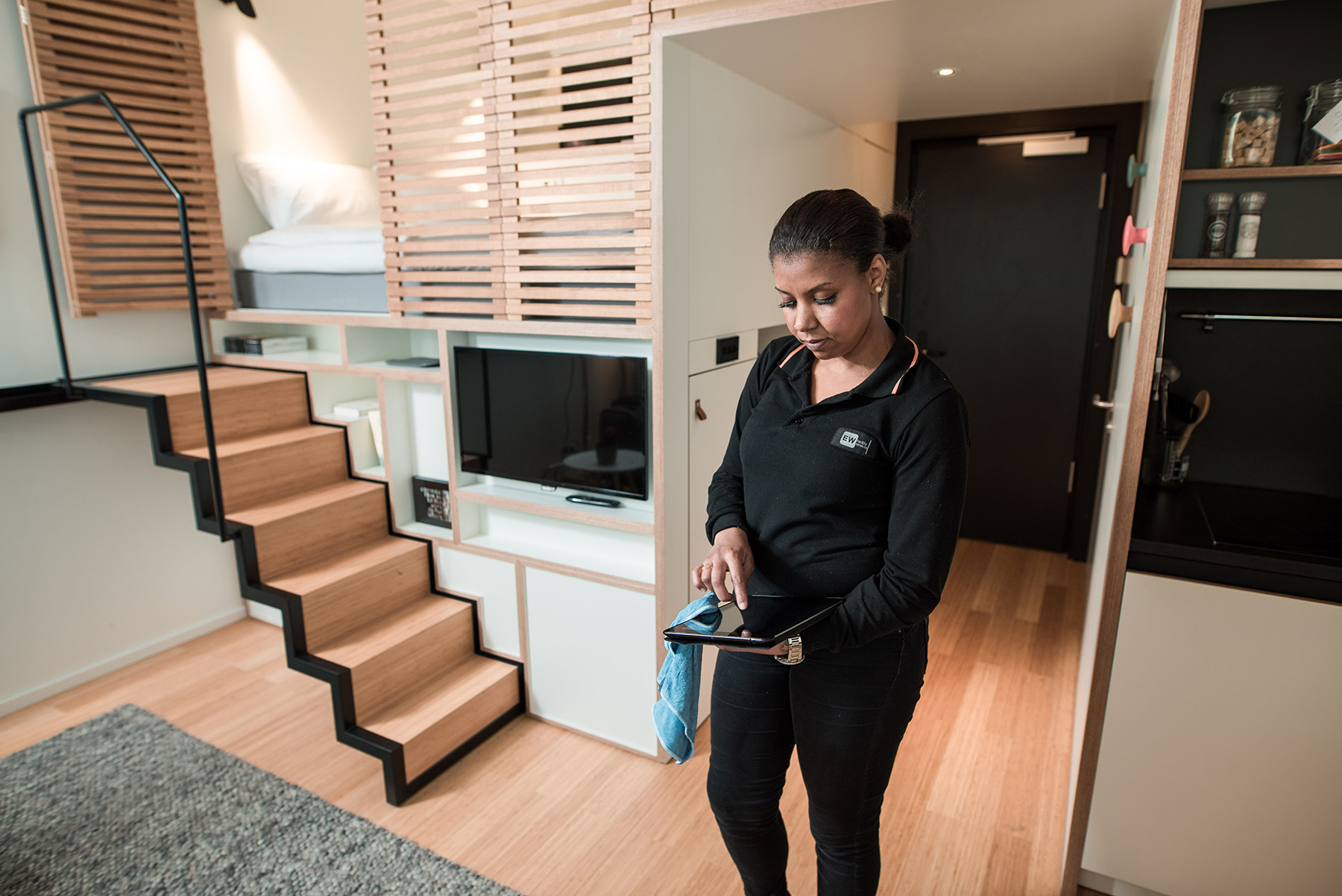
Platforms like Stayntouch have redefined the guest journey by untethering the front desk. Mobile-first systems are specifically designed for tablets and smartphones, allowing staff to handle check-ins, room inspections, and guest requests from anywhere on the property. This is particularly vital for boutique hotels where lean teams must be highly versatile.

4. API-First / Open-API PMS
In a world of fragmented digital channels, an API-first architecture is non-negotiable. This type of PMS acts as a hub, connecting seamlessly to a "best-of-breed" stack, including revenue management systems (RMS), CRM tools, and smart-room IoT controllers.
5. Hybrid PMS
A bridge for legacy hotels. These systems store core data locally to ensure uptime during internet outages while leveraging cloud-based components for reporting and connectivity. It is a common "stepping stone" for enterprises slowly migrating to the cloud.
Supporting Data: The Case for Transformation
The urgency of this transition is supported by industry trends in 2026. Data suggests that properties utilizing mobile-first, cloud-native systems see an average increase of 30–40% in staff productivity. Furthermore, over 82% of hoteliers are currently expanding their use of AI tools to automate labor-intensive tasks.

For example, a boutique property like Hotel Belle Epoque achieved a 99.97% uptime rate after moving from a legacy system to a mobile-first cloud PMS. This shift allowed them to centralize reporting, reduce training time for new hires, and significantly improve their net promoter scores (NPS) by freeing staff to interact with guests rather than screens.
Implications for Future Operations
The shift to modern systems has profound implications for the industry’s future:
AI and the Autonomous Hotel
The integration of AI into the PMS is the most significant development of 2026. Real-world applications now include predictive housekeeping scheduling, dynamic room pricing based on micro-market demand, and automated guest communication. While some AI tools remain marketing fluff, the most effective systems are those that use machine learning to automate the "night audit"—a process that historically took hours and exhausted staff.
Hyper-Personalization
Modern PMS platforms now aggregate data from every touchpoint—spa preferences, dining habits, and even room temperature settings—into a single, unified guest profile. This allows for a level of service that was previously impossible, such as pre-stocking a room with a guest’s favorite snacks or offering tailored upsells before the guest even arrives.
Sustainability and IoT
Sustainability is no longer a corporate buzzword; it is a financial necessity. Through deep integration with IoT (Internet of Things), a modern PMS can automatically adjust lighting, HVAC, and power usage based on occupancy status. When a guest checks out, the PMS communicates with the building management system to set the room to an energy-saving mode, directly lowering operational overhead.
Official Guidance for Decision-Makers
When evaluating a new PMS, hoteliers should utilize a formal scorecard. Key metrics must include:
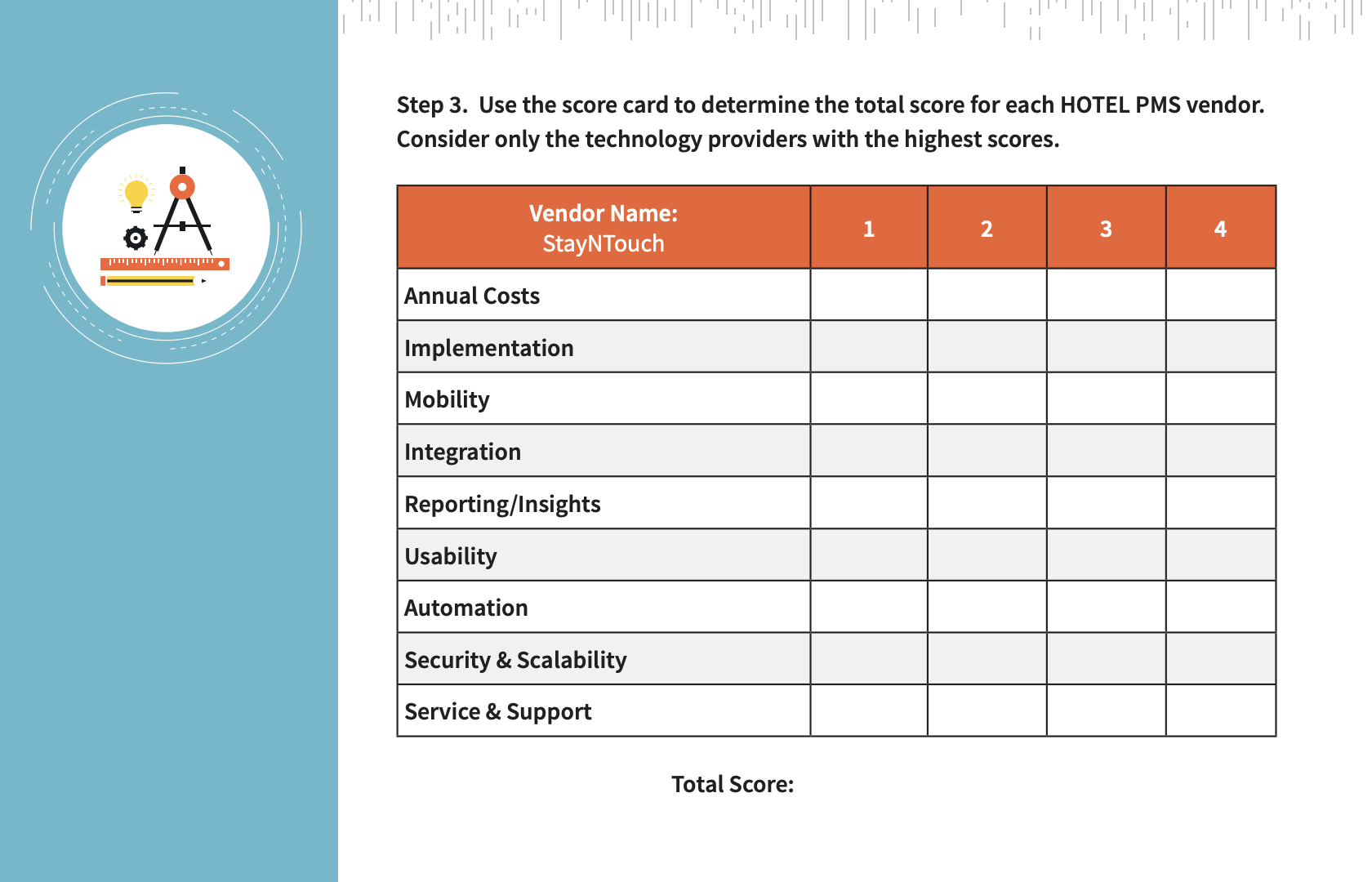
- Total Cost of Ownership (TCO): Beyond the monthly fee, factor in the cost of IT support and hardware.
- Integration Ecosystem: Does the system support an open API? Can it connect to your existing tech stack?
- Mobility: Does the system empower staff to leave the front desk?
- Scalability: Can the system grow as your portfolio expands?
- Vendor Support: Is the vendor a partner, or just a provider?
Conclusion: The Strategic Imperative
The decision to upgrade a PMS is fundamentally a decision about the future of a hotel’s business model. A property stuck on a legacy system is essentially running a 21st-century operation with 20th-century tools, leading to higher labor costs, slower response times, and an inability to compete for the modern, tech-savvy traveler.
As the industry continues to evolve, the winners will be those who view their PMS not as a utility, but as a strategic asset. By embracing cloud-native, mobile-first, and API-driven technologies, hoteliers can break free from the operational bottlenecks of today and build a foundation for the profitable, guest-centric hotels of tomorrow.
For those ready to take the next step, the path is clear: evaluate your current gaps, embrace the cloud, and ensure your system is as agile as the market it serves.


 Rifan Muazin
 Evan Lee Salim