Rifan Muazin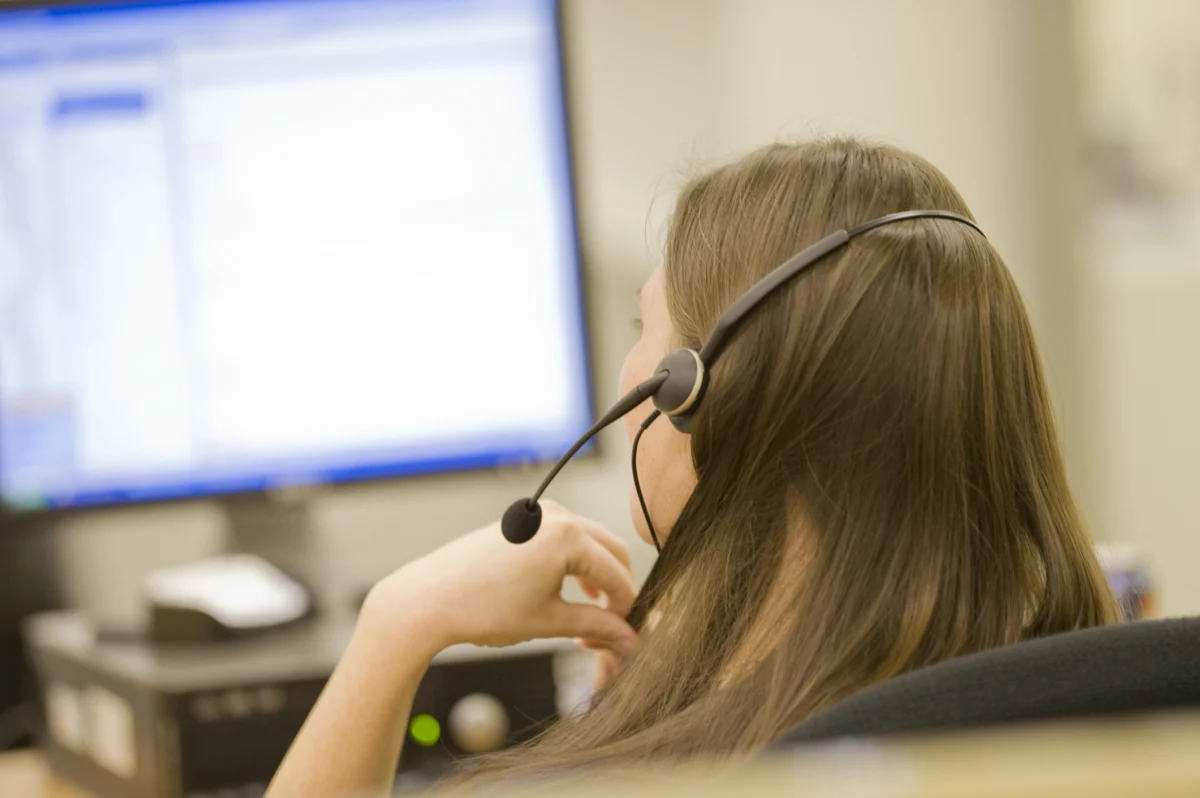
By Tech Insights Bureau
Published: May 10, 2026
The modern office, once defined by the rhythmic, percussive clatter of mechanical keyboards and the occasional hum of a photocopier, is undergoing a profound acoustic shift. As generative AI tools and high-fidelity dictation software—spearheaded by startups like Wispr—begin to permeate the professional landscape, the fundamental way we interact with our digital tools is changing. We are moving from a "typing-first" culture to a "voice-first" paradigm, where software engineers, data scientists, and creative professionals are trading their keyboards for whispered commands.
While proponents argue this shift represents a massive leap in human-computer interaction (HCI) efficiency, the implications for office culture, etiquette, and mental focus are creating a new, often uncomfortable, reality for the workforce.
The New Sound of Code: The Rise of Dictation Apps
The catalyst for this change is the rapid advancement of speech-to-text technology, now integrated with sophisticated "vibe-coding" environments. For years, dictation was relegated to simple note-taking or accessibility use cases. Today, thanks to neural-network-backed transcription that can discern nuance, intent, and complex technical syntax, users are dictating entire software architectures and complex reports in real-time.
A recent investigation by the Wall Street Journal highlighted the growing trend of developers using platforms like Wispr to dictate code. By leveraging AI models that can translate colloquial speech into functional programming language, these tools allow users to bypass the physical bottleneck of the QWERTY keyboard.
However, this transition creates an immediate environmental challenge. In an open-plan office, which was already a battlefield of distractions, the introduction of dozens of employees whispering into their microphones—or speaking to their computers—is transforming the professional sanctuary into something resembling a high-density sales floor.
A Chronology of the Acoustic Shift
The shift toward voice-controlled computing has been a slow burn, accelerated by the post-2023 AI explosion.
- 2023–2024: Large Language Models (LLMs) reach a point of maturity where they can reliably handle natural language instructions. Startups begin experimenting with voice-to-code interfaces.
- Early 2025: High-fidelity, low-latency dictation apps enter the mainstream tech market. Early adopters in the Silicon Valley ecosystem report "typing fatigue" and begin offloading routine writing tasks to voice interfaces.
- Late 2025: The "vibe-coding" movement gains traction, encouraging developers to describe desired outputs rather than manually writing every line of code. This necessitates constant communication with AI agents.
- May 2026: The friction between productivity-enhancing technology and traditional office etiquette reaches a boiling point. Industry leaders, including Gusto’s Edward Kim, begin publicly addressing the "sales floor" atmosphere becoming the new standard for tech hubs.
Supporting Data: Efficiency vs. Environment
The push for voice-controlled workflows is driven by a simple metric: throughput. Advocates suggest that the average human can speak at a rate of 120–150 words per minute (wpm), significantly faster than the average typist, who typically clocks in at 40–60 wpm. When augmented by AI, which can "flesh out" shorthand thoughts into full documentation or code, the productivity gains are theoretically exponential.
Yet, the social cost is harder to quantify. Data from ergonomic and workplace studies suggest that "ambient noise" is the leading cause of dissatisfaction in modern offices. While a keyboard click is a predictable, rhythmic sound, the erratic nature of human speech—varying in volume, pitch, and duration—is significantly more disruptive to human cognition.
When researchers analyzed the "cognitive load" of open offices, they found that even low-level background speech (often called "intelligible noise") reduces task performance by nearly 30% for those engaged in "deep work." By turning every desk into a speech-production station, companies may be inadvertently sacrificing the very focus they hope to enhance through AI.
Official Responses and Industry Perspectives
The divide between the "pro-voice" camp and the "pro-silence" camp is growing sharper.
Edward Kim, Co-founder of Gusto, has been notably candid about the shift. In recent internal discussions, Kim noted that the future of the office will sound like a bustling sales floor. For Kim, this is an inevitability of the AI age. He admits that while he personally avoids typing whenever possible, he acknowledges the social friction. "It’s just a little awkward," Kim noted, acknowledging that the transition from a silent, keyboard-driven workplace to one defined by constant vocalization requires a significant cultural adjustment.
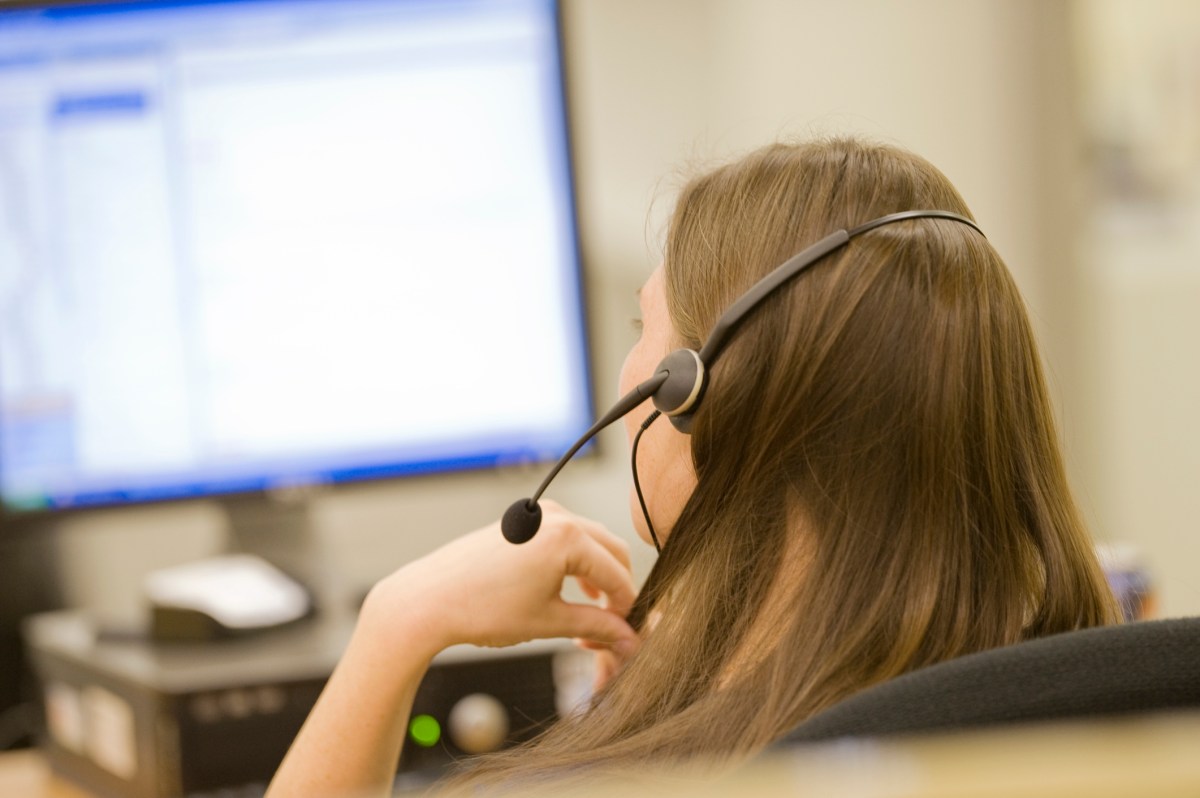
Tanay Kothari, founder of Wispr, remains an optimist. Kothari argues that the initial awkwardness is merely a symptom of a transition phase. "This will all seem normal one day," Kothari stated. He draws a direct parallel to the early 2010s, when people first began staring at their smartphones in public or using Bluetooth headsets in social settings. What was once perceived as anti-social or bizarre quickly became the baseline for modern behavior. Kothari believes that voice-interface habits will eventually be governed by a new set of "office norms," where, perhaps, noise-canceling physical barriers or designated "dictation pods" become standard furniture.
The Human Impact: Etiquette and Home Life
The disruption is not limited to the office. As remote work and hybrid models persist, the "whispering habit" is infiltrating domestic spaces.
AI entrepreneur Mollie Amkraut Mueller shared a personal anecdote that resonates with many in the tech sector. Her husband, sharing a living space, found her new habit of whispering into her computer during late-night sessions to be a significant irritant. The result? A spatial segregation of the household. "One of us will stay in our office," she explained, highlighting how the "always-on" nature of AI-voice interaction is physically pushing people apart to maintain domestic harmony.
This raises a broader ethical question: Are we creating tools that are fundamentally incompatible with shared social environments? If our primary method of working requires us to isolate ourselves from colleagues and family members, are the productivity gains worth the cost of social cohesion?
Implications for the Future of Work
As we look toward the remainder of 2026 and beyond, several implications emerge:
1. The Death of the Traditional Open Office
The open-plan office, designed for "collaboration," may finally be dismantled by the very tools intended to make it more productive. If everyone is talking to their computers, the environment becomes hostile to deep, thoughtful work. Companies may be forced to pivot back to private offices or high-walled "acoustic pods" to contain the noise.
2. The Rise of "Voice Etiquette"
Just as the "mute" button became the most important tool of the Zoom era, we are likely to see the emergence of strict "voice-to-text" etiquette. This could include designated "quiet zones" where no dictation is allowed, or "talking zones" where users are encouraged to vocalize.
3. A New Ergonomic Market
If voice becomes the primary input, the next wave of office hardware won’t be mechanical keyboards, but sophisticated noise-canceling headsets, directional microphones that ignore background chatter, and AI-enabled software that can filter out "office noise" from a user’s dictation stream.
4. Psychological Adaptation
We are entering an era where our relationship with computers will mirror our relationship with humans. We aren’t just "operating" machines; we are "conversing" with them. This anthropomorphization of technology will continue to blur the lines between professional output and social interaction, potentially leading to a new form of digital fatigue.
Conclusion
The "whispering revolution" is more than just a change in workflow; it is a fundamental shift in the human experience of technology. While the siren song of increased productivity through voice-to-code interfaces is compelling, the transition is fraught with social, psychological, and environmental friction.
As Tanay Kothari suggests, we may eventually view this as the new normal. But until that day comes, the office of 2026 remains a peculiar, noisy, and somewhat lonely place—a space where we are constantly connected to the infinite potential of AI, yet increasingly disconnected from the people sitting just a few feet away. Whether we are building a more efficient future or simply turning our offices into echo chambers of whispered commands remains to be seen. One thing is certain: the era of the quiet office is officially over.


 Lina Hope
 Ammar Sabilarrohman