
 Basiran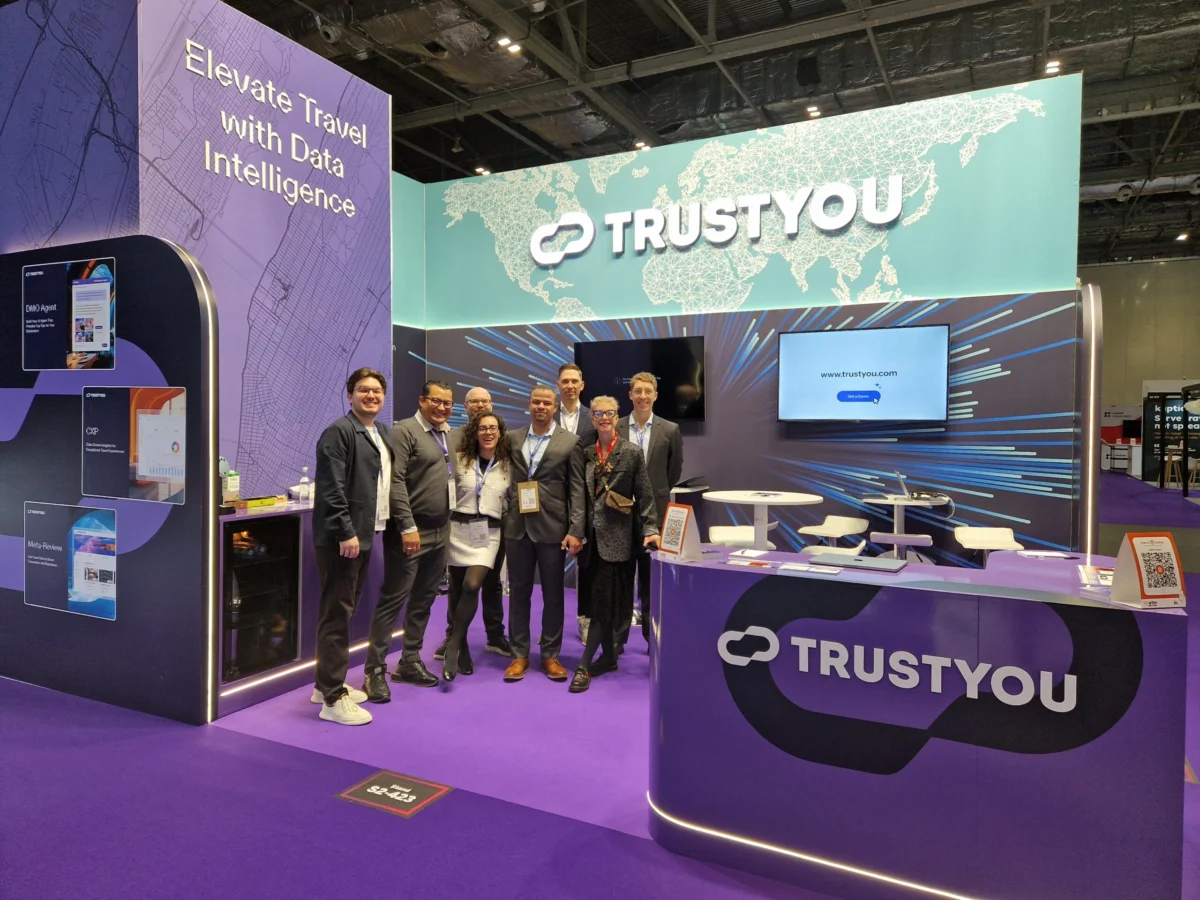
Every November, the global travel and hospitality industry undergoes a metamorphosis. The sprawling halls of ExCeL London transform into a high-stakes, high-energy epicenter where the future of international tourism is negotiated, debated, and defined. World Travel Market (WTM) London 2025 served as the latest chapter in this storied tradition, and for industry leaders like TrustYou, the event was more than just a trade show—it was a definitive barometer for the state of the global guest experience.
As the dust settles on this year’s edition, it is clear that WTM 2025 was not merely a return to form, but an expansion of scope. With a larger venue footprint and a record-breaking influx of international delegates, the event signaled a robust, optimistic, and technologically hungry industry ready to embrace the challenges of the next decade.
A Key Moment for the Hospitality Industry: Navigating a New Era
WTM London 2025 arrived at a pivotal juncture. As the sector moves further away from the reactive crisis-management phase that defined the early 2020s, the focus has shifted toward proactive innovation. The show floor served as a microcosm of this transition, bringing together an intricate web of hoteliers, destination marketing organizations (DMOs), tech disruptors, and strategic partners.
For TrustYou, the presence at WTM 2025 was rooted in a commitment to "humanizing hospitality." In an era where digital interactions often precede physical ones, the opportunity to step away from screens and engage in face-to-face dialogue was invaluable. The feedback loop generated at the booth was immediate: operational excellence is no longer just about efficiency; it is about the sophisticated integration of data to provide a personalized, frictionless guest journey.
Chronology of Innovation: How WTM 2025 Unfolded
The event unfolded with a palpable sense of urgency. The first day, traditionally reserved for high-level networking and policy announcements, set the tone for a week defined by rapid knowledge exchange.
Day 1: The AI Revolution Takes Center Stage
From the opening keynote, it was evident that Artificial Intelligence has moved from a buzzword to a fundamental operational requirement. Conversations centered on how AI-driven sentiment analysis—a core competency for TrustYou—is being used not just to monitor reviews, but to predict guest needs before they are articulated. The industry moved beyond the "if" of AI to the "how" of implementation.
Day 2: Sustainability and the Conscious Traveler
The second day shifted focus toward the shifting demographics of travelers. There was a consensus that modern guests are increasingly "value-aligned," choosing brands that demonstrate a genuine commitment to sustainability and ethical operations. This was a recurring theme in discussions with major players like Mandarin Oriental and B&B Hotels, who are integrating ESG (Environmental, Social, and Governance) metrics into their guest satisfaction frameworks.
Day 3: Strengthening the Ecosystem
The final day of the event was dedicated to consolidating partnerships. As technology providers like Apaleo and Mews demonstrated, the future of the industry lies in a "connected ecosystem." By breaking down data silos, hotels are beginning to see a 360-degree view of the guest, a milestone that was celebrated throughout the final sessions.
Supporting Data: The Shifting Landscape of Guest Expectations
While the camaraderie of WTM is its primary draw, the data emerging from the event speaks volumes about current trends. Industry reports presented during the week highlighted several key takeaways:
- The Rise of Hyper-Personalization: Data indicates that 75% of travelers now expect a personalized experience, with "personalized" being defined as proactive communication based on previous preferences.
- The Tech-Human Hybrid: Despite the proliferation of self-service kiosks and AI chatbots, the demand for "human-touch" service remains at an all-time high. The industry is reaching a consensus: technology should handle the friction, while humans should handle the emotion.
- Sentiment as Currency: The volume of guest reviews has reached an all-time high, with social proof becoming the single most important factor in booking decisions. TrustYou’s own observations suggest that hotels responding to guest feedback within 24 hours see an increase in direct bookings of up to 15%.
Official Perspectives: Bridging the Gap Between Tech and Touch
The value of WTM lies in the quality of the discourse. The dialogues held at the TrustYou booth provided a unique glimpse into the boardrooms of the world’s most successful hospitality brands.
Representatives from MEININGER and Leonardo Hotels emphasized the importance of maintaining brand consistency across diverse geographic markets. For these groups, technology is the "great equalizer," ensuring that whether a guest is in Berlin or London, the service standard remains impeccable.
Furthermore, partnerships with industry giants like Dalata Hotel Group underscored a trend toward centralization. By leveraging unified data platforms, these organizations are streamlining their operations, allowing staff to focus on high-value guest interactions rather than administrative hurdles.
"The industry is more connected than ever," remarked one senior stakeholder during a networking session. "But connection is only useful if it leads to clarity. We aren’t looking for more data; we are looking for better insights that allow our teams to act in the moment."
Implications for the Future: What Happens After the Show?
The closing of the doors at ExCeL London does not signify the end of the WTM experience; rather, it marks the beginning of the implementation phase. The implications for the hospitality sector are profound:
- Consolidation of Tech Stacks: The industry is moving away from fragmented, "patchwork" technology. Expect to see a rise in API-first architectures where PMS (Property Management Systems) and guest experience platforms communicate seamlessly.
- The Proactive Guest Experience: The shift from "reactive" (responding to a bad review) to "proactive" (identifying a pain point during a stay and fixing it in real-time) will define the market leaders of 2026.
- Human Capital as a Strategic Asset: As automation handles the routine, the role of the hospitality worker is evolving. Staff training will increasingly focus on empathy, cultural intelligence, and complex problem-solving.
A Legacy of Collaboration: Looking Toward WTM 2026
The success of WTM London 2025 was not just in the sheer scale of the event, but in the intimacy of the connections made. Whether it was the lively atmosphere at the TrustYou Happy Hour, or the deep-dive strategy sessions held in quiet corners of the floor, the event served as a reminder that travel is a fundamentally human endeavor.
As we look toward the future, the message from London is clear: the hospitality industry is resilient, innovative, and deeply committed to the guest experience. The conversations sparked at WTM 2025 will undoubtedly fuel the strategies of the coming year.
We extend our sincere gratitude to every partner, client, and peer who took the time to share their vision for the future of our industry. Your insights are the blueprint for the innovation we aim to deliver in the months ahead. As we continue to refine our tools and deepen our understanding of the traveler’s journey, we are already counting down the days until we reunite in London for WTM 2026.
The future of hospitality is not just being predicted; it is being built—one conversation at a time.


 Azzam Bilal Chamdy
 Ali Ikhwan




