 Rifan Muazin
By Tech Insights Bureau
November 4, 2026
In the rapidly evolving landscape of consumer electronics, few companies have managed to cultivate a brand identity as distinct as Nothing. Led by the provocative and outspoken Carl Pei, the startup has built its reputation on transparency, minimalist aesthetics, and a challenge to the status quo of the smartphone market. However, as of this week, the company has pivoted from hardware-centric disruption to a more abstract, high-stakes gamble: the pursuit of an "AI-native" product.
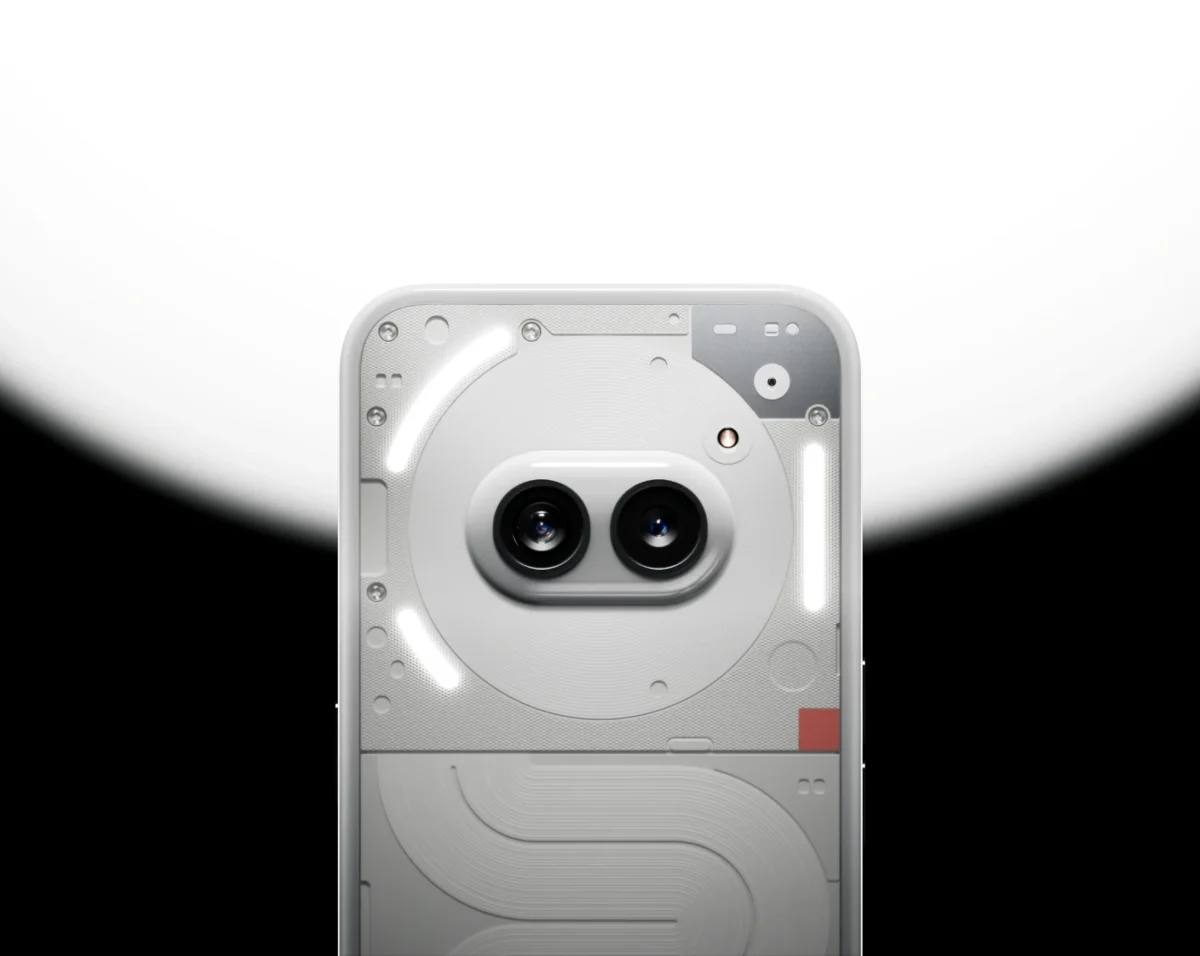
On Wednesday, November 4, 2026, Carl Pei took to the social media platform X to announce that Nothing’s first venture into the AI-native hardware space is slated for a December release. While the announcement has sent ripples of excitement through the tech community, it has also sparked a flurry of speculation. Pei’s description of the device—a tool that features no screen and exists outside the traditional bounds of an app—has left industry analysts scrambling to define exactly what the future of Nothing looks like.
Main Facts: A New Category of Hardware?
The core of the announcement rests on three specific constraints defined by the CEO: it is a "productivity tool," it lacks a screen, and it is fundamentally not an app.
For years, the industry has been obsessed with the "iPhone moment" for artificial intelligence. Silicon Valley giants and scrappy startups alike have chased the vision of the next hardware paradigm, experimenting with AI-integrated pendants, pins, and smart glasses. Pei’s announcement, however, signals a departure from this industry-wide consensus.
By explicitly stating that this device "couldn’t have been an app," Pei is suggesting a level of hardware-level integration that bypasses the traditional operating system interface. It suggests a device that relies on ambient computing—the idea that technology should be present and helpful without demanding constant visual attention. Whether this manifests as a wearable, a haptic feedback device, or something entirely novel, it remains the most closely guarded secret in the hardware space.
Chronology: The Road to AI-Native Nothing
The path to this December launch has been paved with strategic teases and broader shifts in Nothing’s corporate roadmap.
- Early 2025: Nothing releases the Nothing Phone (3) to critical acclaim, solidifying its position as a serious contender in the mid-to-high-end smartphone market. The conversation, however, begins to shift toward what comes after the smartphone.
- March 2026: In a keynote that made waves throughout the industry, Carl Pei predicted that smartphone apps would eventually "disappear" as AI agents take over the heavy lifting of user tasks. This marked the formal beginning of Nothing’s pivot toward agentic AI.
- April 2026: Reports surfaced suggesting that Nothing was prototyping smart glasses and advanced, AI-integrated earbuds. These leaks led many to believe that the company’s first AI device would be a vision-based wearable.
- November 4, 2026: Pei officially breaks the silence on the upcoming "AI-native" product. Crucially, he attempts to decouple this new announcement from the previous rumors of glasses and pins, signaling that this is a distinct, perhaps more experimental, category.
Supporting Data: The Productivity Gap
The timing of this announcement aligns with a broader trend in consumer sentiment. According to recent market analysis, consumer fatigue regarding "app overload" is at an all-time high. The average smartphone user spends hours navigating fragmented digital experiences—checking a weather app, then a calendar app, then a task manager.
Nothing’s bet is that the future of productivity is not in more screen time, but in less. By focusing on a "productivity tool" that functions autonomously, Nothing is targeting a niche that feels increasingly underserved: the user who wants the power of advanced large language models (LLMs) without the friction of a touchscreen.
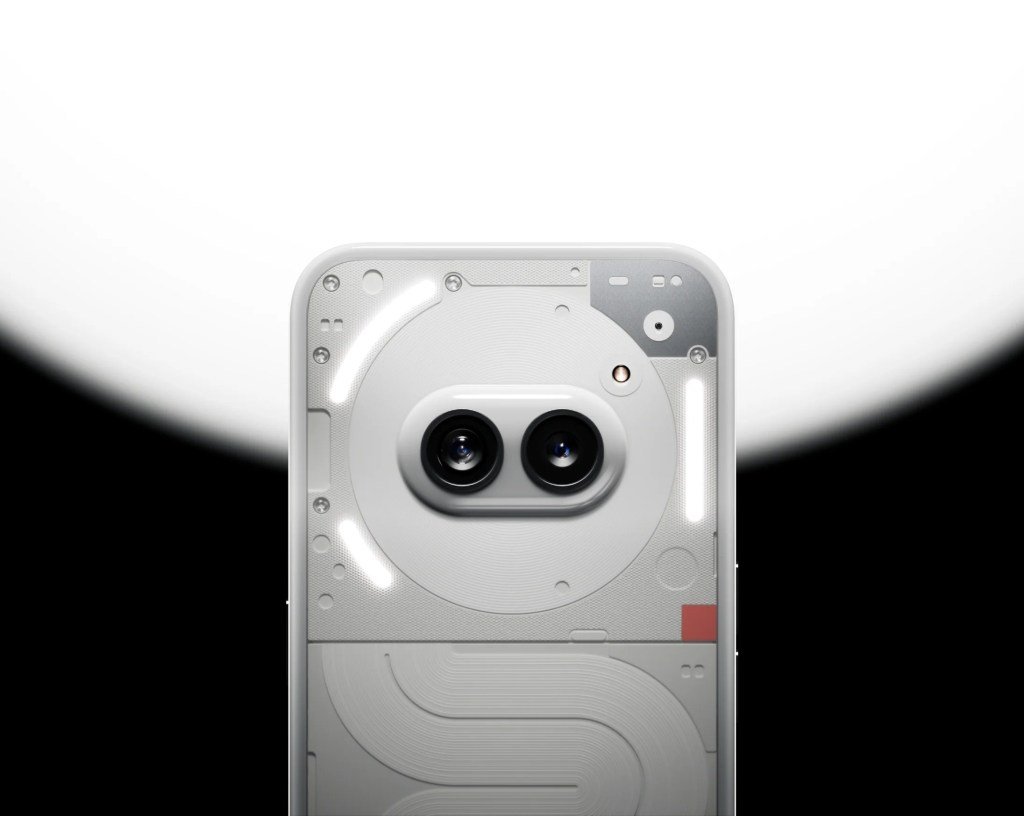
While no technical specifications have been provided, early whispers from supply chain sources suggest that the device may leverage low-power silicon capable of local inference. This would allow the device to process commands without constant cloud connectivity, addressing the privacy and latency concerns that have plagued other AI hardware products like the Humane AI Pin or the Rabbit R1.
Official Responses and The "Nothing" Philosophy
In his post on X, Carl Pei was careful to frame this product within the context of the company’s broader mission. "It’s a tool, but one built with the personality and care that have come to define a Nothing product," he wrote.
Pei’s response to the industry’s "AI wearable" craze was particularly biting. While acknowledging the boldness of his peers who are racing to launch smart pins and pendants, he made it clear that he views the current industry approach as misguided. "I read this moment differently," he stated, implying that the solution isn’t just to put an AI assistant on a new form factor, but to rethink the very nature of human-computer interaction.
The "Nothing" philosophy has always been about stripping away the non-essential. From their transparent casing designs to their stripped-back UI, the company emphasizes the experience of the hardware. By applying this same minimalism to AI, Pei is betting that users will trade the visual feedback of a screen for the utility of a seamless, voice-or-haptic-driven agent.
Implications: The Death of the App?
The implications of this launch are profound. If Nothing succeeds in creating a viable, non-app, screenless AI tool, it could force a major shift in software development.
- The Shift in UI/UX: If the device proves that productivity can be achieved without a screen, we could see a massive migration of developers away from standard app ecosystems and toward "agentic" design, where software is built to be consumed by an AI rather than a human eye.
- The Hardware-AI Integration: We are likely moving toward a world where the hardware is merely a "carrier" for the AI. If the processor and the software are tightly integrated, the "Nothing" product might function more like a dedicated companion than a multi-purpose computer.
- Market Competition: With this move, Nothing is essentially going head-to-head with the massive ecosystems of Apple and Google. While Apple is building "Apple Intelligence" into its existing devices, Nothing is attempting to create a new, singular device for the AI era. It is a David versus Goliath move, consistent with Pei’s history at OnePlus and now Nothing.
What Comes Next?
As we approach the December release, the tech world is left with more questions than answers. Will the device be a standalone piece of hardware, or does it require the Nothing Phone to function? How will it handle complex tasks like scheduling or communication without a screen?
For Nothing, the risk is high. The history of "AI hardware" is littered with the corpses of products that were too clever by half and too limited in utility. However, Carl Pei has a track record of identifying gaps in the market that legacy giants are too slow to see. If this device can truly deliver a "personality and care" that makes it feel like more than just a chatbot in a box, it might just redefine the next decade of personal computing.
For now, the countdown begins. As Pei noted, fans of the brand won’t have to wait long to see if the "Nothing" philosophy can survive the transition into the age of pure, agentic artificial intelligence. Whether it becomes a cultural touchstone or a cautionary tale, one thing is certain: it will not be boring.


 Laily UPN

 Lina Hope