 Layla Zulfa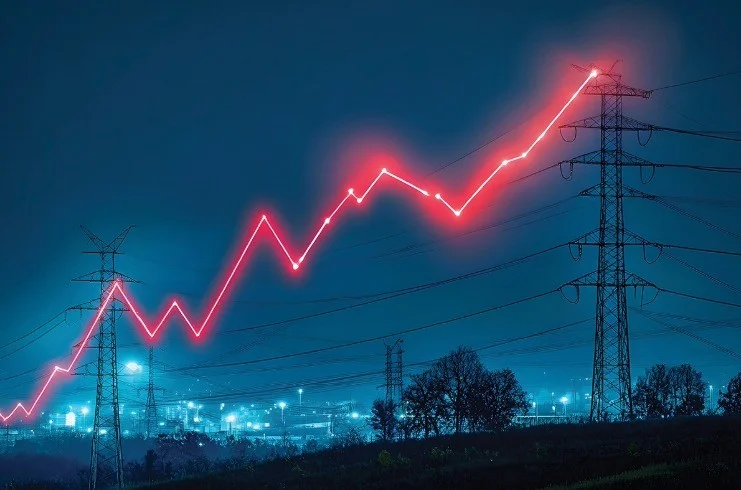
Three months into 2026, the hospitality industry is grappling with a reality that is no longer speculative: the cost of running a hotel has undergone a structural shift. The era of viewing utilities as minor, background line items is officially over. For owners and operators, the P&L is being squeezed by a pincer movement of energy and water costs—two foundational resources that are becoming increasingly expensive, scarce, and volatile.
This is not a cyclical dip or a temporary inflationary spike. It is a permanent recalibration of the operating environment. As the industry navigates this transition, the distinction between those who adapt and those who react will likely define the next decade of hotel asset performance.
Main Facts: The Triple Threat to Operating Margins
The modern hotel is a resource-intensive machine, and in 2026, the fuel for that machine is priced at a premium that threatens historical profit margins. Three primary pillars form the core of this challenge:
- The AI-Induced Energy Surcharge: The massive expansion of data centers to support the global artificial intelligence boom is placing unprecedented strain on national power grids. Utilities are passing these infrastructure costs directly to commercial consumers.
- The Water Scarcity Tax: As climate patterns shift, water is no longer a low-cost, abundant utility. Regional shortages are leading to regulatory tightening and steep price hikes, forcing operators to treat water as a constrained capital asset.
- The "Hidden Leak" Phenomenon: Operational inefficiencies in waste management—specifically in food and beverage (F&B) and HVAC usage—are bleeding thousands of dollars from properties annually, often going unnoticed due to outdated forecasting and legacy management systems.
Chronology of a Crisis: From Background Expense to Boardroom Priority
To understand how we arrived at this inflection point, one must look at the progression of the last six years:
- 2020–2022 (The Baseline): Energy and water were viewed as static operating expenses. Efficiency initiatives were largely categorized under "Sustainability" or "ESG" (Environmental, Social, and Governance) goals, often seen as optional brand-enhancement exercises rather than financial imperatives.
- 2023–2024 (The Early Warnings): Post-pandemic travel surges exposed the brittleness of supply chains. During this period, utility costs began to tick upward, but were largely masked by record-breaking ADR (Average Daily Rate) growth, which allowed operators to absorb utility inflation without rethinking core processes.
- 2025 (The Infrastructure Tipping Point): The AI boom transitioned from a buzzword to a physical reality. Massive data center builds began to materialize, causing utility companies to initiate aggressive capital expenditure programs for grid upgrades.
- Q1 2026 (The Structural Shift): Today, we are seeing the convergence of sustained high utility rates and the realization that these costs are not going to retreat. The "hidden tax" on electricity has become a dominant narrative in asset management, and the water crisis has moved from the Southwest to previously water-secure markets.
Supporting Data: The High Cost of Consumption
The numbers behind these trends are stark. For an industry that thrives on guest comfort, the current trajectory presents a difficult mathematical challenge.
The Energy Burden
In California, which serves as a bellwether for the rest of the nation, PG&E electricity rates have surged approximately 61% since 2020. Current forecasts suggest an additional 30% increase by 2030. This is not an isolated regional issue; it is a preview of the national landscape as grids across the country are retrofitted to accommodate the energy-hungry AI sector.
The Water Reality
An average hotel consumes roughly 400 gallons of water per room, per day. For a 200-room property, this equates to 80,000 gallons daily—a volume that, when priced at modern municipal rates, represents a significant portion of a property’s controllable expenses. With snowpacks in the Western U.S. failing to meet historical averages, supply security is becoming as critical as price volatility.
The Efficiency Gap
Studies indicate that between 40% and 60% of electricity in a typical commercial building is wasted. This includes unoccupied guestrooms with HVAC systems running at full capacity and back-of-house equipment operating on legacy, fixed-time schedules rather than demand-based cycles. Similarly, food waste costs a mid-sized hotel with active F&B upwards of $40,000 annually—a figure driven by archaic procurement and overproduction.
Official Responses: Shifting from Sustainability to Resilience
Industry leaders are beginning to respond, though the approach is shifting. Trade associations and hotel management groups are increasingly focusing on "Operational Intelligence" rather than just "Green Initiatives."
According to the latest insights from the AHLA, owners are citing rising costs—specifically labor and utilities—as their primary concerns. The official consensus among major REITs and hotel management firms is that capital expenditure (CapEx) must be redirected toward "Resource Smart" retrofitting. This includes installing AI-driven HVAC controls, smart irrigation, and high-efficiency filtration systems.
"We are no longer looking for PR wins," noted one industry analyst. "We are looking for ROI. A sensor that detects a leak in real-time or an algorithm that optimizes laundry cycles isn’t just ‘green’—it’s a defensive measure against a rising cost base."
Implications: The Rise of the Resource-Smart Hotel
The implications for the hospitality industry are twofold: a need for immediate operational change and a long-term shift in asset valuation.
1. Operational Discipline as a Core Competency
The framing that served the industry for decades—treating energy as a background expense to be optimized around the margins—is no longer viable. Energy management must now be elevated to a core operational discipline, equal in importance to revenue management or housekeeping. Operators who implement systems-level monitoring will find themselves with a structural cost advantage that their competitors will find difficult to replicate.
2. The Valuation Gap
Investors are beginning to take note. In the near future, the valuation of a hotel asset will be tied to its "resource efficiency profile." Properties that are insulated against utility volatility—those that have invested in energy-efficient infrastructure and water-reduction technologies—will command higher prices and lower cap rates. Conversely, properties reliant on legacy, high-consumption systems will likely face significant valuation discounts as buyers factor in the cost of future retrofits and the ongoing burden of structural utility inflation.
3. A New Philosophy of Profit
The next generation of successful hotels will be defined by their ability to treat every kilowatt and every gallon as a financial asset. This requires a cultural shift within property management:
- Data-Driven Procurement: Moving away from historical habits toward real-time, demand-based forecasting.
- Systems-Level Integration: Moving beyond single-department fixes to holistic building management.
- Predictive Maintenance: Using technology to identify "resource leaks" before they result in significant financial loss.
Conclusion: The Present Decision
The forces reshaping resource demand are not decelerating. AI infrastructure development is still in its infancy, grid upgrades are a multi-year project, and water scarcity is an accelerating global reality.
For the hotel operator of 2026, the path forward is clear. Resource-smart hotels are not just the "ethical" choice; they are the most resilient and profitable business models. Those who act now to integrate these efficiencies into their daily operations will secure a structural advantage in the years to come. This is no longer a future-proofing exercise; it is a present-day decision that will dictate the viability of the hotel business in the decade ahead.


 Nana
Nana
 Ammar Sabilarrohman