Basiran
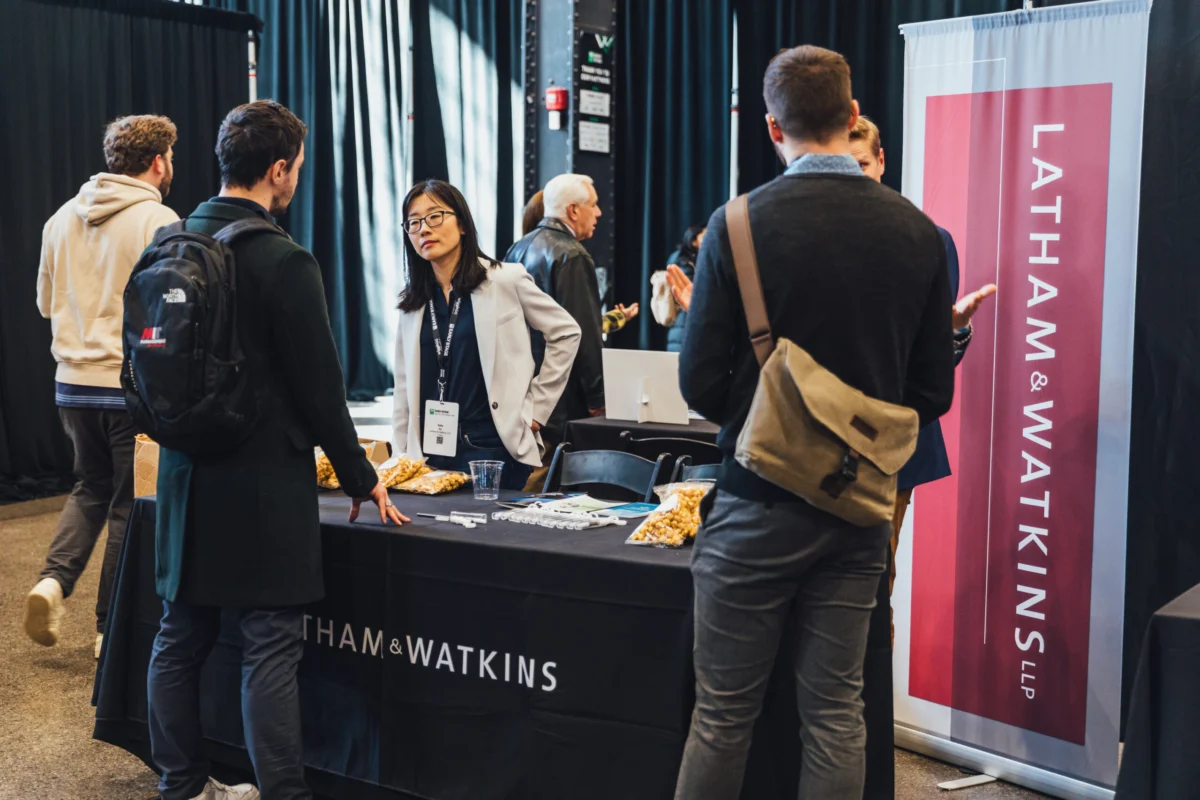
LONDON, March 2, 2026 — As the global hospitality sector stands at a critical juncture between climate ambition and operational reality, the World Sustainable Hospitality Alliance (the Alliance) has announced its participation in Sustainability LIVE: The Net Zero Summit. The event, scheduled for March 4, 2026, at the QEII Centre in Westminster, London, serves as a high-level forum for industry leaders to dissect the complexities of decarbonization, circularity, and the evolving definition of luxury in an era of climate urgency.
The Mandate for Change: Main Facts
Sustainability LIVE has cemented its reputation as a premier platform for executive insight, strategy, and innovation. The 2026 edition of the summit is specifically designed to accelerate the pace of net-zero transitions across high-impact industries. For the hospitality sector, the focus is twofold: reconciling the legacy of resource-heavy luxury with the immediate necessity of decarbonizing existing real estate portfolios.
The Alliance, representing a significant portion of the global hotel industry, will use this platform to highlight how cross-functional climate action is no longer an optional CSR initiative but a fundamental business imperative. With the regulatory landscape tightening and consumer sentiment shifting toward radical transparency, the Alliance’s presence underscores a collective move toward systemic, value-chain-wide transformation.
A Chronology of the Shift: From Excess to Intention
The hospitality industry’s trajectory toward sustainability has undergone a profound evolution over the last decade. To understand the significance of the upcoming summit, one must look at the timeline of this transition:
- Pre-2020: The Compliance Era. Sustainability was largely framed as "greenwashing" or peripheral compliance. Energy-saving initiatives were limited to "reuse your towel" programs, and luxury was defined by abundance and the disposability of amenities.
- 2021–2023: The Awareness Surge. Following the global pandemic, there was a heightened focus on hygiene and health. However, this period also saw the rise of ESG (Environmental, Social, and Governance) reporting mandates, forcing hotel groups to quantify their carbon footprints for the first time.
- 2024–2025: The Implementation Gap. Industry leaders recognized the massive disconnect between corporate net-zero pledges and actual operational reduction. The focus shifted to retrofitting older, inefficient properties—a monumental financial and logistical challenge.
- 2026: The Era of Radical Accountability. As the sector enters the current year, the narrative has moved toward "Systemic Decarbonization." The conversation is no longer about whether to act, but how to do so while maintaining the guest experience. The 2026 Summit at the QEII Centre serves as the nexus for these discussions, focusing on the intersection of innovation, policy, and asset management.
Supporting Data: The Decarbonization Challenge
The urgency driving the Alliance’s participation is backed by sobering industry data. According to recent climate assessments within the hospitality sector:
- Scope 3 Emissions Dominance: For most international hotel groups, Scope 3 emissions (the supply chain) account for over 70% of the total carbon footprint. This includes everything from the carbon-intensive production of furniture and food service items to the energy utilized in guest transportation.
- The Retrofit Imperative: Approximately 80% of the hotels that will be in operation in 2050 have already been built. This makes the "decarbonize what we already have" mandate, championed by the Alliance, the single most important metric for the industry’s success.
- Consumer Sentiment Shifts: Market research indicates that 65% of luxury travelers now prioritize "responsible sourcing" and "waste reduction" as key factors in their booking decisions. The "luxury of excess" is being replaced by the "luxury of longevity," where guests perceive a brand’s commitment to sustainability as a marker of quality and exclusivity.
Official Response: Perspectives from the Alliance
Peter Andrews, Senior Director of Global Programmes, Policy, and Public Affairs at the Alliance, will headline a critical panel discussion at the summit. His insights reflect a sophisticated understanding of the sector’s pivot.
"Sustainability LIVE comes at a critical moment for the hospitality sector," Andrews noted in an official statement. "We are seeing a clear shift from ambition to implementation. The industry is grappling with a dual-track strategy: we must decarbonize our existing, often aging, assets while simultaneously ensuring that all future properties are designed to be resilient, low-carbon, and resource-efficient."
Regarding the transformation of the luxury market, Andrews emphasized that the industry is undergoing a paradigm shift. "Luxury is being redefined through longevity, responsible sourcing, and the elimination of waste—not through excess. The modern consumer is discerning; they understand that true prestige lies in environmental stewardship. However, we cannot achieve this in isolation. Collaboration across the value chain—from developers and architects to food suppliers and waste management services—will be essential if we are to accelerate progress and deliver the systemic change needed to reach net zero."
Implications: The Road Ahead
The discussions at the QEII Centre are expected to have long-lasting implications for hotel operators worldwide. Several key themes are projected to dominate the summit’s outcomes:
1. Building for Resilience vs. Decarbonizing Legacy Assets
The most significant tension in the industry is the allocation of capital. Should developers pour funds into high-tech, carbon-neutral new builds, or should that capital be diverted to retrofitting legacy properties? The consensus among experts, and the Alliance, is that the industry must do both simultaneously. The "resilience" aspect involves climate-proofing buildings against extreme weather events, which are becoming more frequent, thereby protecting the investment value of the asset.
2. The Death of Single-Use
The summit is expected to push for the total eradication of single-use plastics and high-waste amenity models. The "plastic-free" movement is no longer just a trend; it is becoming a standard in luxury certifications. Brands that fail to integrate circular supply chains—where waste is treated as a resource—risk losing their competitive edge in a market that is increasingly scrutinized by regulators and climate-conscious investors.
3. Cross-Functional Climate Action
Perhaps the most critical takeaway for the industry is the need for internal silos to break down. Sustainability departments can no longer function in isolation from procurement, finance, or operations. The 2026 Summit emphasizes that climate action must be embedded into the core business strategy of every department. When a hotel group decides to switch to a sustainable supplier, it affects procurement costs, operational workflows, and the guest experience. Managing these trade-offs is the hallmark of a successful net-zero strategy.
Conclusion: A New Standard for Hospitality
As the World Sustainable Hospitality Alliance steps onto the stage at Sustainability LIVE, they carry the weight of an industry that is transforming its very identity. The 2026 summit is more than a gathering of professionals; it is a declaration that the era of passive sustainability has ended.
In its place, a new, more rigorous era has emerged—one where "luxury" is synonymous with "accountability." By focusing on the tangible, systemic changes required to reduce carbon emissions and build resilient, resource-efficient properties, the Alliance is setting the pace for a global sector that is finally ready to meet the demands of the 21st century. As Peter Andrews aptly noted, the time for ambition has passed; the time for implementation is now. The outcomes of the March 4th summit will likely serve as the blueprint for how the world’s most recognizable hotel brands navigate the complex, necessary path toward a net-zero future.


 Layla Zulfa
 Dwi Wanna