
 Nila Kartika Wati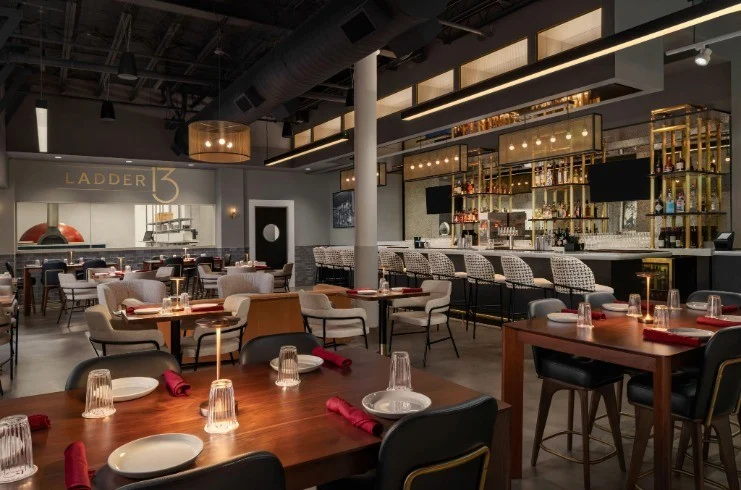
Columbia, South Carolina – In an industry often defined by luxury and efficiency, a new beacon of purpose-driven hospitality has emerged in Columbia, South Carolina. The Lantern Columbia, a hotel property under the Raines umbrella, opened its doors in January with a mission far exceeding typical guest services: to foster a truly inclusive workforce by employing individuals with intellectual and developmental disabilities (IDD), including those with autism and Down syndrome. Less than a year since its debut, this groundbreaking initiative has seen nearly 40 percent of its team comprised of these remarkable individuals, a testament to a vision that proves compassionate employment can not only thrive but also set new benchmarks for excellence.
This unique model, built upon strategic partnerships with the University of South Carolina’s College of Hospitality, Retail and Sport Management and the CarolinaLIFE program, has already garnered significant acclaim. Its signature restaurant and bar, Ladder 13, helmed by James Beard nominee Chef Kevin Johnson, was recently celebrated as Southern Living’s Restaurant of the Month for August – a powerful endorsement that underscores the hotel’s unwavering commitment to delivering a four-star experience without compromise. At the heart of this transformative venture is General Manager Rick Hayduk, whose personal journey and professional dedication have converged to create a truly special environment, proving that the pursuit of profit and purpose can indeed walk hand-in-hand.
A Beacon of Inclusive Hospitality: The Lantern Columbia’s Groundbreaking Model
The Lantern Columbia is more than just a hotel; it is a living laboratory demonstrating the profound benefits of a mission-driven approach to business. Its core philosophy centers on providing meaningful career pathways for individuals with intellectual and developmental disabilities, a demographic often marginalized in the traditional job market. By integrating these employees into all facets of the hotel’s operations, from the front desk to the acclaimed kitchen of Ladder 13, The Lantern Columbia challenges conventional hiring practices and redefines what "talent" truly means.
The hotel’s commitment to inclusivity is evident in its impressive staffing figures: within months of opening, almost half of its workforce comprises individuals who, in many other settings, would struggle to find paid, professional employment. This isn’t charity; it’s a strategic embrace of a diverse talent pool, nurtured through dedicated training and a supportive culture. The result is a vibrant, engaged team that not only delivers exceptional service but also enriches the lives of every person who walks through the hotel’s doors.
The Visionary Behind the Mission: Rick Hayduk’s Personal Journey
For General Manager Rick Hayduk, The Lantern Columbia’s mission is deeply personal. His commitment to inclusive hiring stems from a profound understanding forged in his own family life. "I’ve got two kids with Down syndrome," Hayduk shares, explaining the genesis of his vocational advocacy. Years ago, after his daughter was born, he began to critically examine the job market through the lens of individuals with disabilities, recognizing the immense, often untapped, potential within this community.
Hayduk discovered that the hospitality industry, with its diverse roles and emphasis on human connection, is uniquely suited for individuals with disabilities. He previously pioneered a similar inclusive model during his tenure as general manager of The Shepherd Hotel in Clemson, working closely with the ClemsonLIFE program. This experience, coupled with his personal insights, solidified his belief that meaningful employment in hospitality could offer not just a paycheck, but a profound sense of purpose and belonging. The Lantern Columbia, therefore, represents not just a new hotel opening, but the continuation and evolution of a deeply held personal and professional conviction for Hayduk.
Addressing a Critical Need: Meaningful Employment for Individuals with IDD
Hayduk eloquently outlines the systemic challenges faced by individuals with intellectual and/or developmental disabilities. While charitable organizations often provide opportunities for engagement, these roles are frequently unpaid or lack the structured career progression found in mainstream employment. This creates a significant void, denying individuals with IDD the dignity of work, financial independence, and the social integration that comes with a professional role.
The Lantern Columbia directly addresses this critical need. Through its collaborative partnerships with the CarolinaLIFE program and other local organizations, the hotel actively seeks out prospective employees with disabilities. It then commits to a comprehensive training regimen designed to equip them with the skills necessary for professional roles within a high-end hospitality environment. This approach transforms potential into tangible career pathways, offering not just jobs, but futures. It’s a powerful statement that a person’s inherent worth and capability should never be underestimated or limited by a diagnosis.
A Chronology of Commitment and Success
The journey of The Lantern Columbia from concept to critically acclaimed success is a testament to meticulous planning, unwavering commitment, and the power of collaborative vision.
From Concept to Reality: Laying the Foundation
The inception of The Lantern Columbia’s inclusive model predates its official opening. Even before Raines acquired the property, the company initiated outreach to the University of South Carolina’s College of Hospitality, Retail and Sport Management. This proactive engagement stemmed from an existing relationship and a shared understanding of the mutual benefits such a partnership could yield. Hayduk recalls the early discussions: "We met with them and said, we’re going to put a hotel in your backyard, and we would like to incorporate the students." This early collaboration was crucial, establishing a framework for integrating academic expertise with practical, on-the-job training.
The partnership with the CarolinaLIFE program further cemented the hotel’s foundational commitment. CarolinaLIFE, an initiative dedicated to preparing students with intellectual disabilities for independent living and employment, provided a direct pipeline to a motivated and capable talent pool. This symbiotic relationship ensures that students receive hands-on experience in a professional setting, while the hotel benefits from a dedicated workforce whose potential is unlocked through tailored support.
The First Year’s Triumphs: Ladder 13’s Acclaim and Workforce Integration
The hotel’s January debut was quickly followed by remarkable achievements. Within months, the inclusive hiring model began to demonstrate its effectiveness, with individuals with IDD making up nearly 40 percent of the team across various departments, including the flagship restaurant, Ladder 13. This rapid integration speaks volumes about the efficacy of the training programs and the welcoming culture cultivated by the leadership team.
The culinary heart of The Lantern Columbia, Ladder 13, has been a particular standout. Under the guidance of James Beard nominee Chef Kevin Johnson, the restaurant has quickly established itself as a culinary destination. Its recognition as Southern Living’s Restaurant of the Month for August is not merely a culinary accolade; it’s a powerful validation of the hotel’s entire mission. It proves definitively that a workforce that includes individuals with disabilities can not only meet but exceed the highest standards of the hospitality industry. This national recognition serves as a testament to the dedication of every team member, irrespective of their background, and powerfully refutes any misconceptions that inclusive hiring might compromise quality.
Supporting Data and Methodologies for a Four-Star Experience
The Lantern Columbia’s success is not accidental; it is the result of carefully considered strategies and methodologies designed to maximize the potential of every team member while upholding the highest standards of hospitality. Hayduk and his team have developed a nuanced approach that prioritizes understanding, adaptation, and consistent support.
The "Mosaic" Approach to Workforce Development
One of the most innovative aspects of The Lantern Columbia’s hiring strategy is what Hayduk terms the "mosaic" approach. This acknowledges that individuals, particularly those with intellectual or developmental disabilities, may not possess the same endurance or ability to perform every single task required by a standard role. Instead of forcing a square peg into a round hole, the "mosaic" approach focuses on identifying specific strengths and tailoring roles accordingly.
Hayduk explains that while a typical dinner service might be an "intense" four-to-five-hour push, which aligns well with the capabilities of many of their IDD employees, an eight-hour housekeeping shift might not be a suitable fit due to stamina requirements. The "mosaic" comes into play when an employee might excel at three or four specific tasks out of a total of ten required for a full role. For example, an individual might be exceptional at greeting guests, setting tables, and refilling water, but might struggle with complex order taking or handling payment processing.
"You have to be open to the fact that you can’t just plug and play individuals who can work that six-to-eight-hour shift and do all 10 of the tasks," Hayduk notes. "In our case, you may have someone who could work three to four hours, but they can only do four of the 10 tasks. So then you’ve got to find someone to supplement the remaining six tasks." This requires meticulous scheduling and a collaborative team effort, where colleagues complement each other’s strengths, creating a cohesive and highly effective operational mosaic.
Tailored Training: Patience, Repetition, and Empathy
Training individuals with intellectual and developmental disabilities inherently requires a distinct methodology. Hayduk acknowledges that this process "takes more time," estimating it can be "three to four times" longer than conventional training. The cornerstone of this extended training is repetition, demanding immense patience and compassion from trainers and fellow employees.

The hotel has intentionally built a team equipped with these vital qualities. Hayduk highlights the restaurant manager, whose personal experience as a mother to a daughter with autism provides invaluable first-hand insight into interacting with individuals with disabilities. Her "high level" of compassion and patience is not just a personal trait but a professional asset, crucial for fostering an environment where every employee feels understood and supported. This specialized approach ensures that training is not a one-size-fits-all model, but rather a personalized journey that respects individual learning styles and paces.
Strategic Staffing and Operational Nuances
Navigating the logistical complexities of a mosaic workforce is undeniably challenging. "Scheduling is one of our most difficult things," Hayduk admits. It requires creative problem-solving and a deep understanding of each employee’s capabilities, preferred shift lengths, and task proficiencies. This level of customization demands a "considerable amount of more work" from the leadership team. However, this increased effort is viewed not as a burden, but as an investment in their core mission.
Beyond scheduling, strategic placement of individuals is key to ensuring both employee success and a high-quality guest experience. Hayduk emphasizes the importance of matching an individual’s personality and skillset to the demands of a role. For instance, an "introverted, non-communicative individual with autism" would not be placed as a restaurant host. Conversely, some highly social individuals might thrive in front-facing roles, sometimes to an amusing degree: "We also have some that are so social that they would go seat a guest and wouldn’t come back for 20 minutes. They’re just sitting there tableside, talking them up." The art lies in finding the perfect fit, allowing each employee to shine in their unique way. This thoughtful approach ensures that every team member contributes meaningfully, reinforcing the hotel’s thesis that a 40% IDD workforce can indeed deliver a four-star hospitality experience.
Official Responses and Organizational Philosophy
The success of The Lantern Columbia is deeply rooted in the organizational philosophy of Raines, the management company, and the palpable culture it fosters within the hotel. It’s a testament to leadership that prioritizes values as much as profit.
Raines’ Core Values: Guiding Principles for an Inclusive Culture
Hayduk explains that Raines’ company values are not mere corporate platitudes but fundamental drivers of their hiring and operational processes. These values act as critical filters during the interview process, ensuring that every team member, regardless of their role or background, aligns with the hotel’s overarching mission.
One key value is "better today than yesterday." Prospective employees are evaluated for their commitment to "continuous improvement, personally and professionally." This ensures a workforce that is constantly striving for growth and excellence.
A second crucial building block is "elevate every experience." This value probes whether a candidate is genuinely motivated to "do something really special for the guest, for their colleagues, and how do we treat our vendors?" It’s about fostering a culture of genuine care and service that extends beyond transactional interactions.
Perhaps most critically, the value "seek to understand" is paramount, especially in an inclusive environment. Hayduk explains its application when interacting with individuals with autism or other disabilities: "That face might be a little different than what you see on the inside. So, you’re trying to understand who they are, even though they might be stoic." This empathetic approach extends to guest interactions as well. If a guest seems "snippy" at check-in, the employee is encouraged to seek understanding rather than react defensively. Conversely, engaging guests by asking about their stay and purpose in Columbia is equally valuable. These values collectively forge a culture of empathy, curiosity, and continuous improvement that is indispensable to The Lantern Columbia’s unique operating model.
The Transformative Power of Team Dynamics
The strength of The Lantern Columbia lies in the profound synergy between its diverse team members. Hayduk notes that many of the hotel’s "subject matter experts"—bartenders, food servers, line cooks—are drawn to the property precisely "because of our mission and our purpose." This intrinsic motivation creates a powerfully supportive environment. "Yes, I’m a food server. Yes, I’m a line cook. But I think it’s great that our restaurant, our hotel, employs people with disabilities, and I want to be a part of it. That’s really the key to it," Hayduk elaborates.
This shared commitment to the mission fosters a unique atmosphere. "There’s a vibe in this hotel," Hayduk says, "And it’s special… When someone comes to Columbia, South Carolina, we want them to feel something. We want them to look at our staff, the way, and it really is magic when the 60 percent interact with the 40 percent. And they uplift each other." This reciprocal upliftment, where experienced hospitality professionals mentor and support their colleagues with disabilities, while also drawing inspiration from their joy and dedication, creates an unparalleled team dynamic that is both professionally effective and deeply humanizing.
Wider Implications and the Future of Hospitality
The Lantern Columbia is not just a success story for one hotel; it’s a blueprint for a more compassionate and sustainable future for the entire hospitality industry. Its model offers profound lessons and inspiring possibilities for broader adoption.
Cultivating Future Advocates: The Role of Academic Partnerships
The partnership with the University of South Carolina’s College of Hospitality, Retail and Sport Management extends far beyond providing a talent pipeline. Hayduk envisions a broader, long-term impact: transforming the next generation of hospitality leaders into advocates for inclusive hiring.
He expresses the hope that when students from the program move on to their next professional roles, they will carry the lessons learned at The Lantern Columbia with them. "Our desire is, ‘Hey, have you guys considered working with people with disabilities? I did this when I was in Columbia working at The Lantern. Why wouldn’t we do that? I could show you how.’" This ripple effect is a powerful strategy for systemic change. By embedding inclusive practices into the education and early career experiences of future industry professionals, Raines aims to normalize and champion the employment of individuals with disabilities across the sector.
Beyond Columbia: Expanding the Mission-Driven Model
The success witnessed at The Lantern Columbia is not intended to be an isolated phenomenon. Hayduk confirms that Raines is actively planning to expand this mission-driven hospitality model. The training protocols, resources, and cultural frameworks developed in Columbia will be adapted and incorporated into other properties within the Raines portfolio. This strategic expansion signifies a firm belief in the scalability and inherent value of this inclusive approach, positioning Raines as a leader in socially conscious business practices within the hospitality industry. It’s a commitment to proving that what works in Columbia can work elsewhere, bringing dignity and opportunity to more individuals and enriching more communities.
The Irrefutable Return on Investment: For Employees, Guests, and the Industry
While the social mission is paramount, Hayduk is quick to emphasize the tangible return on investment for all stakeholders. For employees with disabilities, the benefits are clear: "There will be very few people more grateful for their job," he states. In today’s competitive labor market, this gratitude translates into unparalleled loyalty, reduced turnover, and a highly motivated workforce. Hayduk also highlights "the joy that individuals with disabilities bring to the workforce," noting their ability to "lift up everyone else because they love coming into work." This positive energy permeates the entire establishment, fostering a more pleasant and productive environment for all.
The return on investment extends profoundly to guests. Beyond the expected luxuries of a high-end hotel—such as premium bedding and exquisite dining—The Lantern Columbia offers something truly unique: an inspiring human connection. "If you don’t leave inspired, then we failed," Hayduk asserts. "Because you’re just seeing this humanity restored, as I call it, where there’s a guy with Down syndrome or someone who’s autistic, they’re interacting with the staff, and they’re doing their thing. You have to be uplifted about that."
Guests are not merely served; they are moved. Hayduk proudly states that the individuals working at Ladder 13 are "unbelievable additions to our team," so much so that guests return specifically to see them. "We’ve gotten return business because of the individuals, whether they’re hosts or whether they’re bussing tables, and we do it in a very high-end program," he explains. This demonstrates a powerful differentiator: an authentic, heartwarming experience that fosters deep guest loyalty.
Hayduk’s message to other hotels is clear and compelling: while replicating the exact model might not be feasible for everyone, the core principles and the demonstrable benefits are universally applicable. "It really works, and it shouldn’t stop here at The Lantern or Ladder 13. This can be done if you are willing to put in the investment of time. In selecting the person and training them up, there is a significant return by the guest and by their fellow colleagues and teammates." The Lantern Columbia stands as a powerful testament to the idea that investing in human potential, particularly that of marginalized communities, yields not only profound social good but also undeniable business success. It is a shining example of how hospitality can truly live up to its name, offering warmth, welcome, and opportunity to all.


 Sagoh
Sagoh
 Rifan Muazin



