Asep Darmawan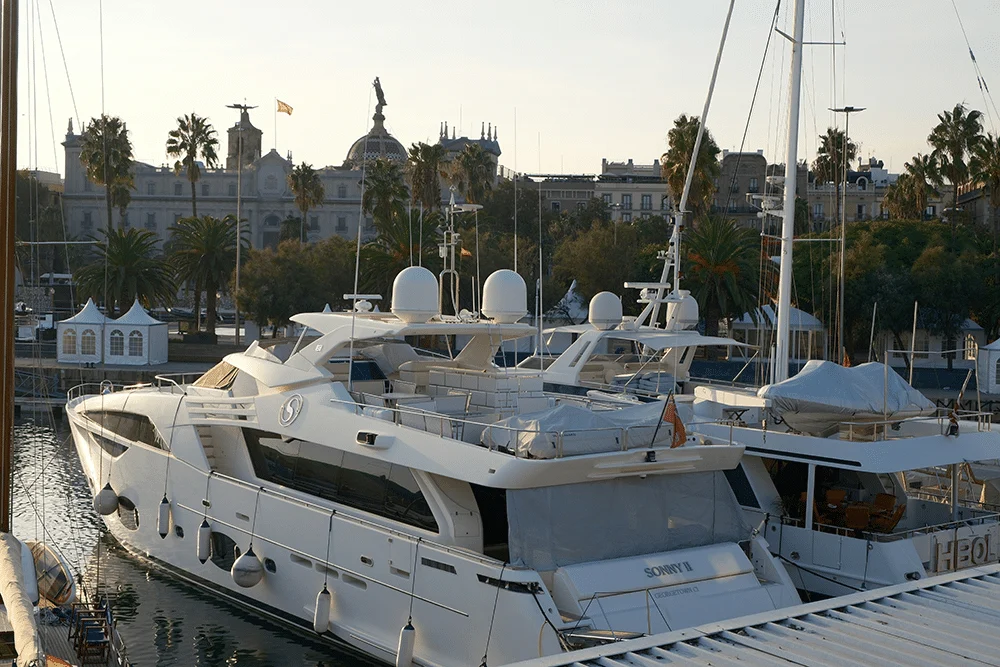
For decades, the hospitality industry has operated under a clear, tiered structure: hotels provided the bed, airlines provided the transport, and local "experiences" were relegated to the realm of the concierge—a secondary, often manual, afterthought. However, a seismic shift is underway. As digital ecosystems like Google Search and Google Maps evolve into comprehensive travel planners, premium on-water activities—once hidden behind fragmented local networks—are finally taking their place in the mainstream digital distribution landscape.
This evolution is not merely a technical update; it represents a fundamental change in the modern traveler’s psychology. Today, the guest journey is an end-to-end digital process that begins long before arrival. For hotels, destination management companies (DMCs), and travel advisors, the challenge—and the opportunity—is to pivot from being mere providers of accommodation to becoming master curators of the entire travel experience.
The Evolution of the Guest Journey: From Arrival to Inspiration
Historically, the travel planning cycle was fragmented. A guest might book a flight, then a hotel, and only upon check-in would they consult a lobby concierge about local activities. Today, that linear path has been shattered.
Modern travelers are researchers. They utilize digital platforms to map out their entire stay—including dining, excursions, and leisure—weeks or even months before they pack their bags. Google has effectively become the "digital travel concierge," consolidating accommodations, attractions, and local services into a single, intuitive interface.
This creates a new imperative for the hospitality sector: discoverability. If a luxury hotel in a coastal destination relies solely on its room rate to attract guests, it risks obsolescence. Travelers now expect their preferred activities to be as visible and bookable as their hotel room. The "experience economy" has moved from the periphery of the hotel lobby to the center of the pre-arrival booking screen.
Chronology of a Shift: How We Got Here
The current landscape is the result of three distinct phases of digital maturity:
- The Aggregation Era (2000–2010): Online Travel Agencies (OTAs) standardized hotel and flight distribution. Travelers grew accustomed to comparing prices and amenities in a single digital window.
- The Review & Discovery Era (2010–2020): Platforms like TripAdvisor and Google Maps democratized information. The value of a property was no longer just its star rating, but the "vibe" and "local access" reported by previous guests.
- The Integrated Experience Era (2020–Present): We are now seeing the professionalization of niche activities. Premium experiences—such as private yacht charters, exclusive culinary tours, and bespoke adventure travel—are being integrated into the same booking stacks that handle room inventory. This is the "API-first" era, where inventory availability for a yacht in Barcelona can be checked in real-time by a concierge in London.
The Strategic Imperative: Beyond Room Revenue
As operating costs rise and the transparency of hotel pricing increases, "ancillary revenue" has moved from a bonus to a necessity. By integrating premium local experiences into their direct booking flow, hotels can transform their revenue model.
Why Premium Experiences Matter for Profitability:
- Yield Management: Unlike a hotel room, which has a fixed capacity, high-value experiences can be bundled to increase the average daily rate (ADR) of a guest stay.
- Competitive Differentiation: In a market where travelers can compare hotel prices across dozens of sites in seconds, a unique experience (e.g., a sunset yacht charter) becomes the deciding factor. It shifts the conversation from "How much is the room?" to "What kind of stay will I have?"
- Loyalty and Lifetime Value: Guests who participate in a highly curated, memorable local experience are significantly more likely to return to the brand. They associate the hotel not just with a physical space, but with the memories created during their visit.
Barcelona: A Case Study in Coastal Integration
Barcelona stands as a premier example of how a city can leverage its geography to drive hospitality growth. With its unique convergence of Gothic architecture, high-end gastronomy, and a vibrant Mediterranean coastline, the city offers a diverse canvas for travel providers.
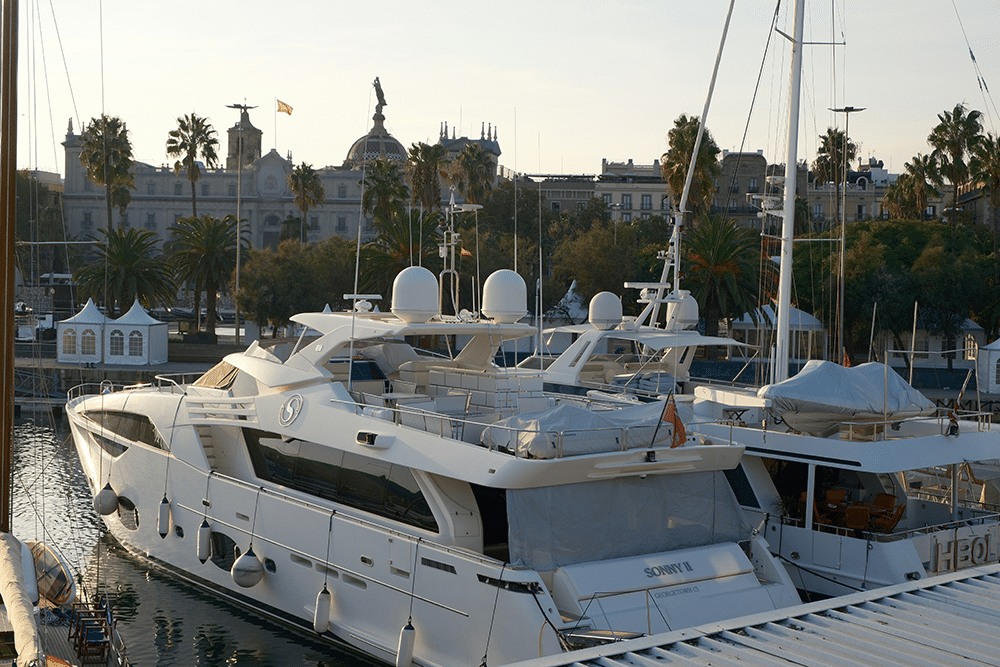
The rise of the "Barcelona yacht charter" as a standard luxury add-on illustrates this shift. Traditionally, renting a private vessel required navigating a labyrinth of local brokers, physical offices, and opaque pricing. Today, through integrated platforms like Boatscribe, that same charter is a seamless digital booking.
For the modern hotelier in Barcelona, offering an exclusive on-water experience is no longer a manual favor—it is a strategic asset. By linking their booking engine to these providers, hotels can offer incentive groups, luxury travelers, and special-occasion visitors a turn-key solution that reinforces the city’s status as a premium destination.
The Role of Technology: Reducing Operational Friction
The primary barrier to selling local experiences has always been the "concierge gap." When a concierge manages experiences manually, they are limited by their own knowledge, time, and the responsiveness of local operators.
Modern booking technology has effectively closed this gap by providing:
- Real-time Availability: No more back-and-forth phone calls or emails to check if a boat or tour is available.
- Unified Inventory: Platforms aggregate vetted operators, ensuring that the quality of the experience meets the hotel’s brand standards.
- Automated Workflows: Booking an experience becomes as simple as booking a room, with the details automatically syncing to the guest’s itinerary and the hotel’s internal management systems.
Implications for the Industry
The shift toward digital integration of experiences has profound implications for every player in the travel value chain.
For Hotel Operators
The role of the concierge is evolving from an "information desk" to an "experience designer." Technology allows staff to focus on high-touch service and guest personalization, while the administrative burden of scheduling and inventory management is handled by digital platforms.
For Destination Management Companies (DMCs)
DMCs must ensure their inventory is digitized and compatible with modern travel ecosystems. If your local excursion isn’t searchable on a mobile device, it effectively does not exist for the modern, tech-savvy traveler.
For Travel Advisors
The ability to offer a "complete package"—including the hotel and the local maritime or adventure activity—is a massive value-add. It elevates the advisor from a travel agent to a curator of experiences, strengthening the client relationship.
Looking Ahead: The Future of Curated Travel
We are moving toward a future where "travel planning" and "experience discovery" are synonymous. As Artificial Intelligence and machine learning begin to power travel assistants, these systems will look at a user’s historical preferences and automatically suggest relevant, premium local experiences.
If a guest has previously enjoyed sailing, their hotel booking confirmation might automatically suggest a private yacht charter at their destination. This level of personalization is only possible because of the digital integration we are witnessing today.
The businesses that thrive in the next decade will be those that view their physical location as an ecosystem rather than a walled garden. Whether it is a yacht charter in the Mediterranean or a private tour in the Alps, the "experience" is no longer an optional add-on. It is the core product.
Conclusion: Mastering the New Distribution
The message for the hospitality industry is clear: the digital ecosystem is waiting, and it has no patience for manual processes. By embracing the shift toward discoverable, bookable, and high-quality local experiences, hotels can do more than just sell rooms—they can sell memories.
In an increasingly commoditized market, the ability to differentiate through curated, premium local experiences is the ultimate competitive advantage. As digital platforms continue to connect the dots between travel inspiration and on-the-ground reality, the hospitality brands that act as the best curators will win the loyalty of the modern, sophisticated traveler.
About Boatscribe
Boatscribe is a global leader in the yacht charter marketplace, bridging the gap between world-class travel professionals and verified, high-quality maritime operators. By simplifying the digital booking process, Boatscribe empowers hotels and DMCs to provide their guests with seamless, unforgettable on-water experiences, turning every coastal stay into a premium adventure.
Expert Insights from Revfine.com
Revfine.com remains the premier resource for hospitality and tourism professionals seeking to navigate the complexities of digital transformation. For more in-depth strategies on revenue management, marketing, and technological innovation, explore our extensive library of expert insights tailored for the modern travel landscape.


 Ammar Sabilarrohman
 Rifan Muazin