Suro Senen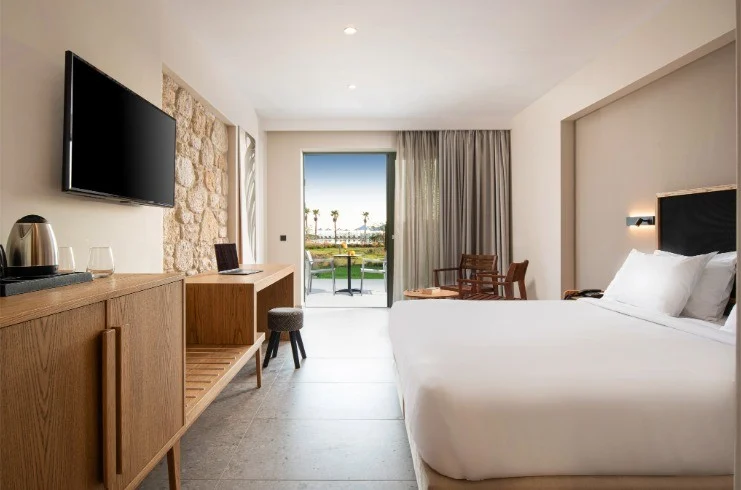
The hospitality landscape is currently navigating a period of unprecedented transformation. As the United States hotel industry continues its robust recovery and expansion—having surpassed a valuation of $263.21 billion in 2024 with projections indicating a climb to $395 billion by 2030—operators are facing a paradox: how to scale operations while simultaneously increasing the intimacy of the guest experience.
Amidst this 7.1 percent compound annual growth rate, a surprising hero has emerged from the corner of the guestroom: the in-room television. No longer relegated to the status of a passive entertainment box, the modern smart display has been elevated to a sophisticated, integrated hub. It is now a primary tool for operational efficiency, personalized marketing, and deep loyalty cultivation.
The Evolution of In-Room Connectivity: A Chronology
To understand why the smart display is the current focus of hospitality innovation, one must look at the progression of guestroom technology over the last three decades.
- The Era of Passive Consumption (1990s–2000s): For years, the hotel TV was a one-way street. Guests were limited to cable programming and perhaps a clunky, pay-per-view menu that required navigating through a confusing interface with a bulky remote.
- The Rise of Connectivity (2010s): As smartphones became ubiquitous, guests began bringing their own content. The industry responded with basic casting features and HDMI ports, though integration remained fragmented and often frustrated the user experience.
- The Smart Hub Revolution (2020–Present): The post-pandemic era accelerated the need for touchless, high-efficiency service. Today, we are in the age of the "Integrated Experience Hub," where the television serves as the brain of the room, interfacing with Property Management Systems (PMS), Customer Relationship Management (CRM) databases, and IoT-enabled climate and lighting controls.
Supporting Data: Why Tech-Driven Hospitality Matters
The shift toward digital integration is backed by clear consumer behavior data. According to industry surveys, modern travelers prioritize friction-free experiences. When a guest can order a late checkout, book a spa appointment, or request fresh towels via their television screen rather than navigating an automated phone tree at the front desk, satisfaction scores (CSAT) rise significantly.
Financial metrics support this trend as well:
- Ancillary Revenue Growth: Hotels leveraging in-room displays for dynamic promotion of on-property amenities see an average increase of 15–20% in spa and dining bookings compared to properties relying on physical print collateral.
- Operational Efficiency: By digitizing the guest directory, hotels reduce the burden on front-desk staff. Estimates suggest that automating common guest requests via smart displays can save a medium-sized property up to 10 hours of staff labor per week.
- Engagement Metrics: Data analytics from modern smart systems show that guests spend an average of 12 minutes per day interacting with the hotel’s "branded" content on the TV, providing a massive window for brand storytelling and loyalty program enrollment.
The Centralized Hub: Beyond the Basic Menu
The core of this technological leap is the ability to centralize services into an intuitive interface. Modern displays act as a digital concierge, aggregating live streaming, local recommendations, and essential property information.
Bridging the Gap Between PMS and User
The power of these systems lies in their backend integration. When a guest checks in, the PMS communicates with the TV system to personalize the "Welcome" experience. WiFi credentials are automatically loaded, and safety notices are prioritized based on the specific location of the room. By removing the need for printed guidebooks—which are often outdated and costly to update—hotels can provide real-time information that is both sustainable and accurate.
The IoT Connection
Beyond information, the screen acts as a control center. Integrating with Room Management Systems (RMS) allows guests to adjust lighting, temperature, and drapery settings directly from the TV. This not only enhances comfort but also allows hotels to implement "energy-saving modes" when the room is unoccupied, contributing to sustainability targets.
Hyper-Personalization at Scale
The most significant breakthrough in recent years is the transition from "broadcasting" to "narrowcasting."

Tailored Content Strategies
Hoteliers now have the ability to segment guests at the moment of check-in. A family arriving for a weekend reunion can be greeted with a welcome message on the TV screen that includes a curated list of kid-friendly activities, a map of the hotel’s pool facilities, and a discount code for the on-site ice cream parlor. Conversely, a business traveler attending a convention can be greeted with their meeting agenda, a direct link to the business center’s printer, and a pre-set coffee service reminder.
The Human Touch Through Technology
Critics often argue that technology diminishes the "human touch." However, industry leaders suggest the opposite. By automating the routine, staff members are freed from repetitive administrative tasks and can focus on meaningful, high-touch interactions in the lobby or dining room. As one boutique operator noted: "We have just a few days to make an impact. When a guest walks in and sees something made just for them—whether it’s celebrating a milestone or simply greeting them by name—it tells them we truly want them here."
Implications for the Future of Hospitality
The integration of these displays has profound implications for brand loyalty and property valuation.
Driving Revenue and Brand Loyalty
The display is no longer just a utility; it is a primary revenue driver. By promoting upsell opportunities—such as room upgrades or late check-outs—at the precise moment a guest is most likely to need them, hotels capitalize on impulse demand. Furthermore, consistent branding on the interface reinforces the hotel’s identity. When a guest sees the same high-end, responsive interface across different properties within a brand portfolio, it builds a subconscious sense of reliability and trust.
From Differentiator to Necessity
As the hospitality market becomes increasingly crowded, technology is the primary differentiator. A property that offers a clunky, outdated TV experience is often perceived as "failing" or "neglected," even if the physical room is well-appointed. Conversely, a seamless, high-tech interface signals a modern, guest-centric philosophy.
In the coming years, we can expect the following developments:
- AI-Driven Recommendations: Predictive algorithms will suggest local activities based on the guest’s past travel habits and real-time preferences.
- Universal Casting Standardization: The industry is moving toward a standard where a guest’s streaming profiles (Netflix, Disney+, etc.) can be securely and instantly synced to the hotel TV without the current friction of pairing codes.
- Voice and Gesture Integration: As natural language processing improves, the "smart room" will become fully voice-activated, making the TV a conversational partner in the guest’s stay.
Conclusion: The Strategic Imperative
For today’s hotel operators, the investment in advanced smart display platforms is far more than a simple tech upgrade; it is a fundamental strategy for resilience in a volatile market. As the industry approaches the $395 billion threshold by 2030, the properties that succeed will be those that have mastered the art of balancing high-tech convenience with high-touch hospitality.
By transforming the hotel television into a personalized, interactive hub, operators are not just filling rooms; they are curating experiences. In a world where guests have more choices than ever before, the ability to make a guest feel seen, known, and catered to—from the moment they pick up the remote—is the ultimate competitive advantage.


 Nila Kartika Wati
 Layla Zulfa