
 Sagoh
Sagoh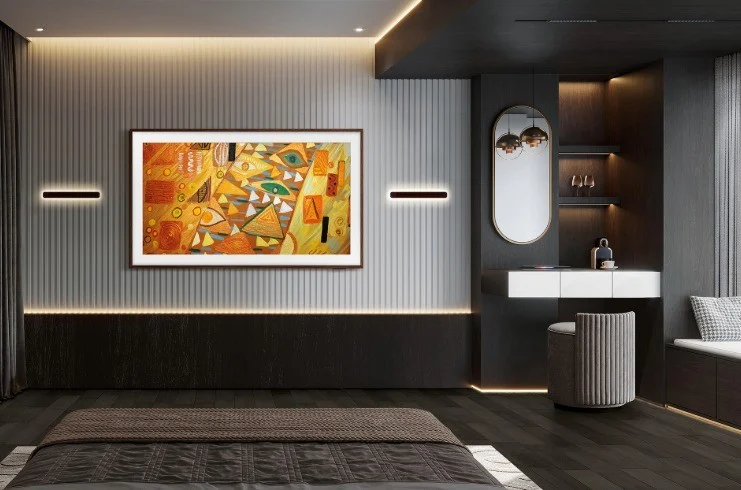
In a significant move to elevate the intersection of technology and luxury interior design, Samsung Electronics America has officially announced the launch of its dedicated hospitality version of "The Frame" (HL03H model) in the U.S. market. By transitioning one of the most recognizable consumer television designs into the rigorous, high-demand environment of luxury hotels, Samsung is challenging the industry to reconsider the role of the television: moving it from a standard amenity to a centerpiece of curated room décor.
Available in 55-, 65-, and 75-inch configurations, the hospitality-grade Frame is designed to dissolve the boundary between utility and aesthetics. This launch represents a strategic evolution for Samsung’s Display Solutions Division, signaling a shift toward "invisible technology" that prioritizes the guest experience without disrupting the visual harmony of premium hotel interiors.
The Genesis of the Concept: Bridging Aesthetics and Utility
The hospitality sector has long struggled with the "black box" problem. Traditional hotel televisions, when not in use, are large, rectangular slabs of black glass that often clash with sophisticated room designs, custom wall coverings, and intentional interior architecture.
Samsung’s strategy for the HL03H model is to solve this by transforming the screen into a digital canvas. When the television is powered off, it does not become a void; instead, it activates a high-resolution display of curated artwork, photography, or brand-specific imagery. This transition, which has already found massive success in the residential market, is now being optimized for enterprise use, allowing hoteliers to turn their guestroom walls into revolving galleries that reflect the brand’s heritage or the cultural character of the host city.
Chronology of the Launch and Market Integration
The introduction of The Frame to the hospitality sector follows years of feedback from interior designers and hotel operators who demanded a more flexible display solution.
- Initial Conceptualization: Samsung identified a gap in the luxury segment for hardware that complements rather than competes with high-end furniture and décor.
- Engineering for Hospitality: Unlike residential models, the HL03H was re-engineered to meet the specific requirements of hotel management, including professional-grade content distribution, remote management, and heightened security protocols.
- The Announcement: Following early whispers of partnerships and testing, Samsung officially confirmed the U.S. availability of the hospitality model, positioning it as a key pillar in their 2026/2027 enterprise growth strategy.
- Integration Phase: With the product now available, hotels across the United States are beginning the integration phase, with several luxury boutique properties reportedly already in the process of upgrading their suites to feature the new units.
Supporting Data and Hardware Specifications
The technical specifications of the HL03H model are tailored to ensure it performs at a luxury standard while meeting the operational needs of hotel staff.
The Hardware Edge
- Form Factor: The display features a slim-fit wall mount, ensuring it sits flush against the wall, mimicking the appearance of a framed painting.
- Customization: Optional magnetic bezels allow the display to be color-matched or texture-matched to the room’s specific wood or metal finishes.
- Display Quality: The screen is equipped with an anti-glare, matte finish, which is critical for reducing reflections in naturally lit hotel rooms, ensuring the "art" looks authentic from every angle.
Operational Efficiency
- Content Management (LYNK Cloud): The backbone of the unit is the LYNK Cloud platform. This enables hotel IT teams to push personalized content, promotional material, or concierge services to specific rooms or clusters of rooms.
- Security: Built on the Tizen Enterprise Platform, the display is protected by Samsung Knox Security. This is a critical factor for enterprise adoption, as it safeguards the network integrity of the hotel while providing a stable sandbox for custom third-party applications.
Official Perspectives: The Vision for Connected Luxury
The launch is not merely a hardware upgrade; it is a philosophy shift. Mark Kelly, head of enterprise sales for the Display Solutions Division at Samsung Electronics America, emphasized that modern luxury is defined by seamlessness.
"As luxury hospitality evolves, the most memorable in-room stays will feel more personal and connected without compromising their design integrity," Kelly stated. "The Frame hospitality model seamlessly blends art, entertainment, and hotel services together on one flexible display, helping hotels adapt to changing guest expectations and create more distinctive experiences over time."
According to industry analysts, Samsung’s decision to integrate AI-driven personalization is a response to the "demographic shift" in luxury travel. Younger, tech-savvy travelers expect the same level of digital customization in their hotel rooms that they have in their homes, including casting capabilities and intuitive AI interfaces.
The AI-Powered Guest Experience
Perhaps the most significant differentiator of the new Frame hospitality model is the integration of Artificial Intelligence to curate and simplify the guest’s digital life.

Generative Wallpaper and Content
The Generative Wallpaper feature represents a departure from static digital signage. Using AI, the screen can generate custom imagery that evolves throughout the day or responds to the hotel’s specific environment. This ensures that the art displayed is always fresh, preventing the "stagnant" feeling that often plagues digital displays in hospitality settings.
Language and Accessibility
In the global travel market, language barriers can be a friction point for international guests. The inclusion of "Live Translate" for subtitles during local broadcasts is a major step forward. By offering real-time language support, Samsung is enabling luxury hotels to provide a truly inclusive experience for their international clientele, ensuring that the in-room entertainment is accessible regardless of the guest’s native language.
Personalization through Casting
Modern travelers rarely travel without a personal digital ecosystem. The HL03H supports Google Cast and Apple AirPlay, allowing guests to bridge their personal subscriptions and curated content from their mobile devices to the large-format display with ease. This "bring your own content" (BYOC) model is becoming the gold standard for high-end hospitality.
Implications for the Hospitality Industry
The introduction of this technology carries significant implications for the future of hotel operations and revenue management.
The Digital Concierge
Through the LYNK Cloud, the television becomes a two-way communication portal. Guests can order room service, request housekeeping, or book spa treatments directly through the TV interface. This reduces the burden on front-desk staff while increasing the likelihood of incremental revenue through easily accessible, on-screen prompts for hotel services.
Data-Driven Marketing
One of the most powerful aspects of the LYNK Cloud Business suite is its analytical capability. Hotels can now gain insights into guest viewing habits and service usage patterns. This data allows for the creation of optimized, hyper-personalized promotions. For instance, if the system detects that a guest is interested in wellness content, it can automatically display a tailored offer for a discounted yoga session or a spa package.
Security in a Connected Environment
As hotels become increasingly "smart," they also become more vulnerable to cyber threats. By embedding Samsung Knox security into the hardware, Samsung is providing a vital safeguard for hotel operators. This allows properties to offer advanced digital services without the constant fear of network breaches or guest data exposure, which is an essential requirement for the luxury brand reputation.
Conclusion: A New Standard for Room Design
Samsung’s launch of The Frame hospitality model is a clear indication that the days of the intrusive, utility-only hotel television are numbered. By blending the aesthetic sensibilities of an art gallery with the high-performance, data-driven needs of a modern hotel, Samsung has provided a tool that empowers hoteliers to elevate their brand storytelling.
As the industry moves toward 2027, the success of this model will likely be measured by how effectively it can be integrated into the unique workflows of luxury properties. If the initial reception is any indication, the future of the hotel room is one where technology is felt, not seen—hidden in plain sight behind a beautiful, ever-changing masterpiece of digital art.
For the guest, the benefit is clear: a room that feels more like a curated, personalized sanctuary and less like a temporary transit point. For the hotelier, the benefit is equally compelling: a versatile, secure, and highly intelligent platform that bridges the gap between traditional service and the digital future.


 Azzam Bilal Chamdy
 Ali Ikhwan




