Nana Muazin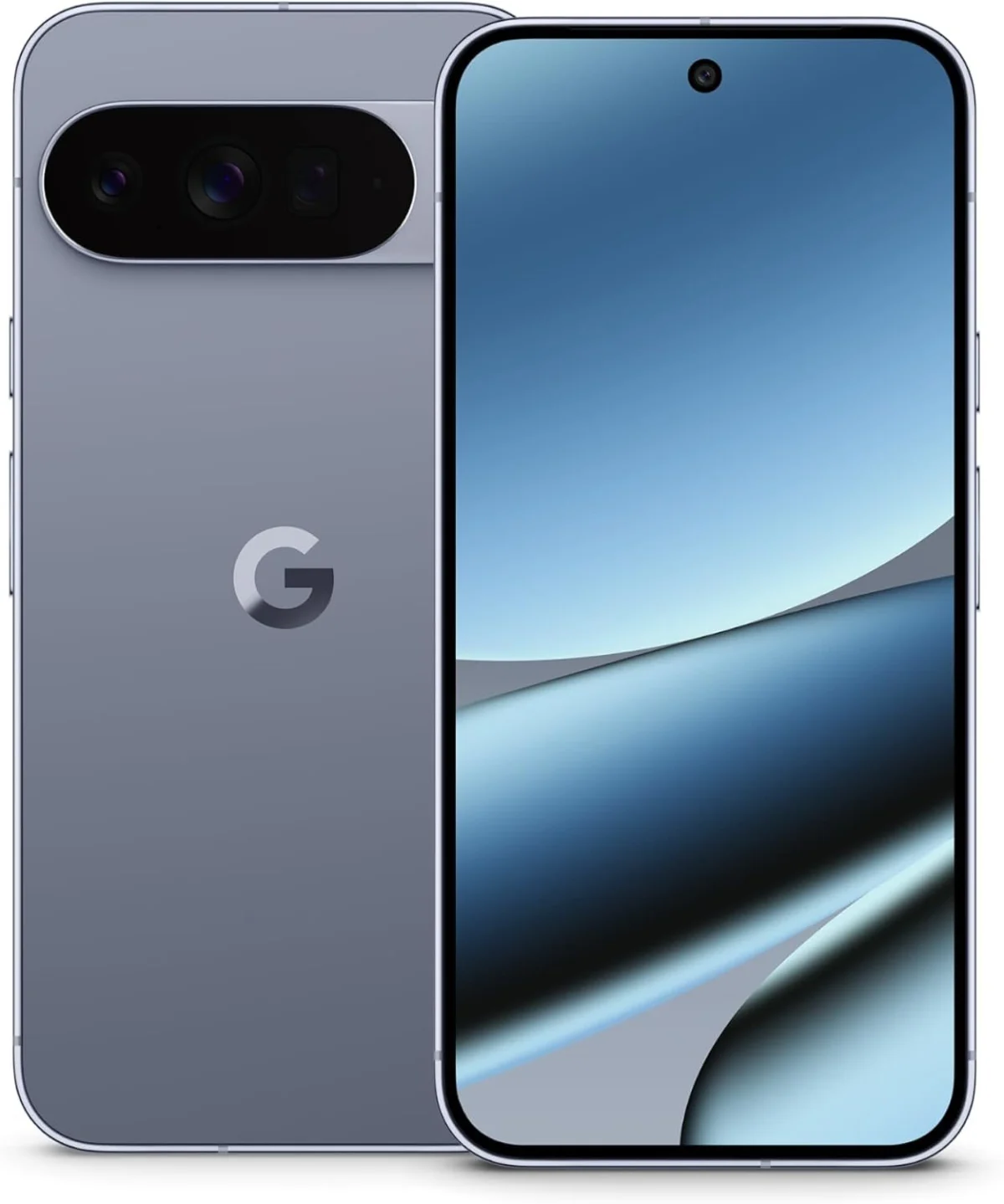
The smartphone landscape has long been defined by a tug-of-war between hardware specifications and software intelligence. For years, manufacturers have prioritized raw processing power, higher refresh rates, and increasing megapixel counts. However, with the release of the Google Pixel 10 lineup, the industry narrative has shifted toward a more nuanced, AI-driven experience. As current promotional events on Amazon slash prices by up to 26% across the entire Pixel 10 family, consumers are finding themselves at a unique crossroads: the opportunity to acquire what is arguably the most sophisticated mobile ecosystem on the market at a price point that undercuts traditional flagship competitors.
Main Facts: The Pixel 10 Ecosystem and the Value Proposition
The Google Pixel 10 series is not merely a hardware update; it represents the culmination of Google’s long-term investment in deep machine learning and generative artificial intelligence. By integrating Gemini—Google’s most robust AI engine—directly into the hardware, the company has created a device that anticipates user needs rather than simply reacting to commands.
The current discounts on Amazon serve as a strategic entry point for potential switchers. By offering a $250 discount on the Pixel 10 Pro XL, a $200 reduction on the Pixel 10 Pro, and a $150 incentive on the base Pixel 10, Google is effectively lowering the barrier to entry for users who have been hesitant to migrate from legacy operating systems or older Android handsets. These price adjustments are not just tactical sales; they are a clear signal that Google is looking to capture a larger share of the premium market by demonstrating that "value" and "flagship performance" are no longer mutually exclusive.

A Chronological Evolution: From Nexus to AI-First Hardware
To understand the significance of the Pixel 10, one must look at the trajectory of Google’s hardware division. The journey began with the Nexus program, a developer-centric effort that prioritized clean, bloatware-free software. However, the pivot to the "Pixel" brand marked a distinct transition toward proprietary hardware.
- The Early Years (2016–2019): Google focused on establishing the best camera software in the industry. The introduction of HDR+ and Night Sight turned standard smartphone sensors into powerful imaging tools, proving that computational photography could outperform hardware-heavy competitors.
- The Silicon Shift (2021–2023): With the introduction of the custom Tensor chipsets, Google moved away from reliance on third-party silicon. This allowed the company to optimize its software—specifically AI-driven features like real-time translation—at the architectural level.
- The AI Integration Era (2024–Present): The Pixel 10 series represents the maturation of this vision. By fully embedding Gemini, the phone has evolved from a tool that runs apps into an intelligent assistant that manages the user’s digital life, from screening calls to synthesizing long documents and editing photos with generative AI.
Supporting Data: Dissecting the Hardware Specs
When analyzing the Pixel 10 lineup, the hardware remains competitive with, and in many ways superior to, the leading devices from Samsung and Apple.
The Flagship: Pixel 10 Pro XL
The Pro XL is designed for the power user. Featuring a 6.8-inch Super Actua Display, it provides a peak brightness that remains legible under the harshest sunlight. The triple-camera array—comprised of a wide, ultrawide, and a dedicated telephoto lens—is supported by an industry-leading computational engine. At a discounted price of $949, users are getting a device that challenges the $1,200+ price tag of its direct rivals while maintaining superior long-term software support.

The Balanced Choice: Pixel 10
The standard Pixel 10 is the volume driver. With a 6.3-inch Actua display and the same core Tensor processing capabilities as its more expensive siblings, it remains the most efficient choice for the average consumer. At $649, it fills a critical gap in the market where most other manufacturers offer "mid-range" devices with compromised features. The Pixel 10, by contrast, offers a premium experience without the premium price tag.
The Compact Professional: Pixel 10 Pro
The compact Pro model addresses the long-standing complaint that high-end features are only available in oversized "Max" or "Ultra" formats. By packing the telephoto lens and high-end display technology into a 6.3-inch frame, Google has satisfied a vocal segment of the market that demands high performance in a single-handed form factor.
Official Responses and Strategic Positioning
While Google rarely comments on specific pricing strategies, the company’s recent messaging has consistently focused on the "AI-first" mobile experience. A spokesperson noted earlier this year that the objective of the Pixel line is to "remove the friction between intent and action." By subsidizing these devices through retail partners like Amazon, Google is effectively creating an "ecosystem lock-in."

The logic is simple: once a user experiences the seamless integration of Gemini-powered features like Live Translate, Call Screen, and advanced photo editing, they are significantly less likely to churn to a different platform. The aggressive discounting of the Pixel Buds Pro 2—down to $169—further cements this, encouraging users to invest in the entire Google hardware suite.
The Broader Implications: What This Means for the Consumer
The implications of this pricing strategy are twofold. First, it forces competitors to re-evaluate their pricing models. If Google can offer an AI-integrated, high-performance flagship at $949—or a standard flagship at $649—it puts immense pressure on other OEMs to justify their higher price points.
Second, it establishes a new benchmark for software longevity. Google’s commitment to long-term OS updates ensures that these phones will remain relevant for years, effectively lowering the total cost of ownership. For the consumer, this is a win-win scenario. Buying a smartphone is no longer just about the hardware specs on the box; it is about the "intelligence" of the platform.

Key Considerations for Prospective Buyers:
- The Ecosystem Advantage: If you already use Google Workspace, Photos, or Drive, the Pixel 10 offers a level of integration that is simply not possible on other Android devices.
- Camera Versatility: If your primary use case is photography, the telephoto capabilities of the Pro models are essential. However, for everyday social media and candid shots, the base Pixel 10 is more than adequate.
- Ergonomics: The distinction between the 6.3-inch models and the 6.8-inch Pro XL is significant. Users who value single-handed operation should lean toward the standard or compact Pro models, while media-heavy users will find the Pro XL’s screen size indispensable.
Final Verdict: The Best Time to Switch
The current Amazon discounts on the Pixel 10 series represent a rare moment where market timing and product maturity align. We are currently seeing a shift where the "premium" label is becoming less about build materials and more about the efficiency of the AI assistant.
Whether you are a power user seeking the best of the best in the Pixel 10 Pro XL, a value-seeker looking for the most bang for your buck with the standard Pixel 10, or a professional needing a compact, capable device, the current savings provide a compelling justification for upgrading. The Pixel 10 lineup is not just a series of phones; it is a declaration of where Google intends to lead the mobile market for the remainder of the decade. By choosing one of these devices, you aren’t just buying a gadget—you are buying into a smarter, more capable mobile future.
As always, these retail prices are subject to fluctuation. For those on the fence, the combination of the current price drop and the promise of future-proof AI integration makes this an opportune moment to secure the gold standard of the Android experience.

 Lina Hope
 Jia Lissa