Layla Zulfa
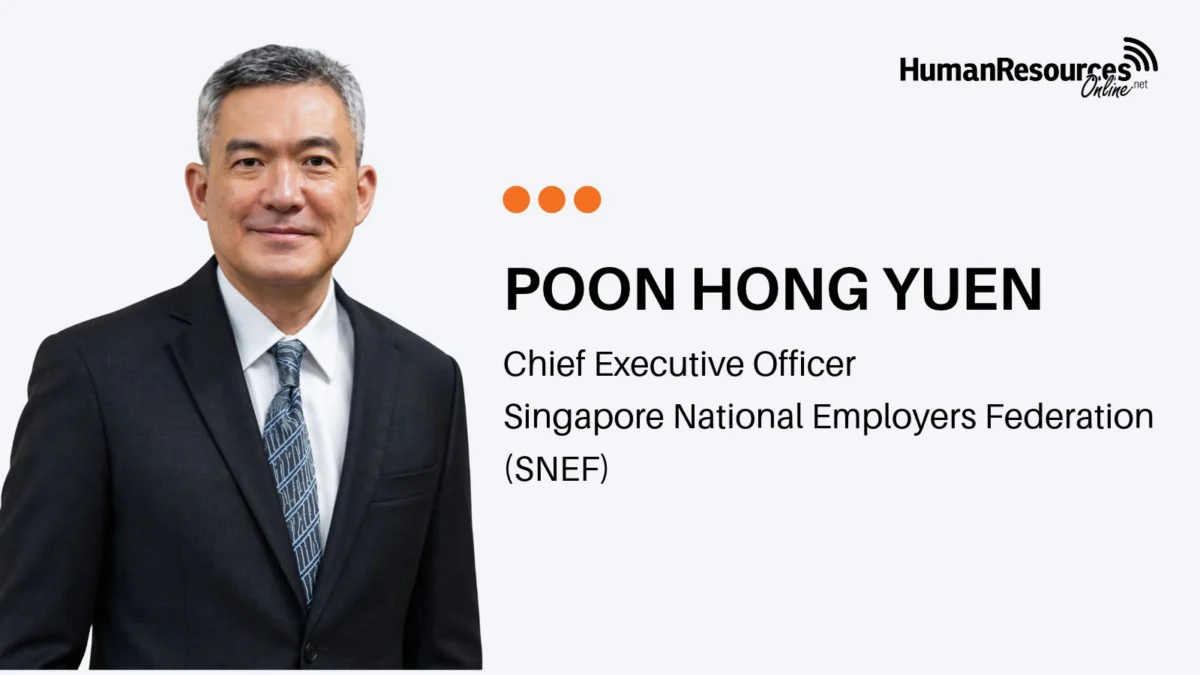
The Singapore National Employers Federation (SNEF) has officially announced a pivotal leadership transition, naming Poon Hong Yuen as its next Chief Executive Officer. This appointment marks a significant shift for the nation’s primary body representing employers, as the federation pivots to address the increasingly complex intersections of workforce policy, rapid digitalization, and a shifting global economic landscape.
Poon, currently serving as the Deputy Secretary at the Ministry of Digital Development and Information (MDDI), is set to assume his new responsibilities with a comprehensive mandate. He will officially join the federation as CEO (Designate) on 1 November 2026, before fully stepping into the role of Chief Executive Officer on 1 December 2026. He succeeds Hao Shuo, who is transitioning back into the public service sector after a tenure characterized by substantial institutional growth and robust policy advocacy.
The Core Mandate: Bridging Policy and Enterprise
The appointment of Poon Hong Yuen is viewed by industry observers as a strategic alignment of SNEF’s long-term objectives with the broader national agenda. As Singapore navigates a post-industrial era defined by artificial intelligence, demographic shifts, and the imperative for sustainable growth, SNEF requires a leader capable of translating complex government policy into actionable enterprise strategy.
Poon brings a wealth of experience that is uniquely suited to these challenges. His tenure at the Ministry of Manpower (MOM) as Deputy Secretary (Workforce) provided him with deep-rooted insights into the intricacies of human capital management and the mechanics of tripartism—the cornerstone of Singapore’s labor-management relations. Furthermore, his leadership as the Chief Executive of the then-SPRING Singapore (now Enterprise Singapore) gives him a rare vantage point on the needs of SMEs and the broader business ecosystem.
By integrating these experiences, Poon is expected to champion initiatives that help employers not only adapt to technological disruptions but also thrive within them. His background suggests that SNEF will likely double down on its efforts to modernize workplace practices and bridge the "digital divide" within the local corporate sector.
Chronology of a Leadership Shift
The transition process has been meticulously planned to ensure operational continuity and stability for the federation’s 4,000-strong corporate membership.
- December 2024: Hao Shuo begins his tenure as CEO of SNEF, taking the helm during a period of intense focus on workforce transformation and post-pandemic economic recovery.
- 2025–2026: Under Hao’s leadership, SNEF experiences a period of consolidation, strengthening its research capabilities and communication frameworks while deepening engagement with government stakeholders and labor unions.
- September 2026: The formal announcement is made regarding the appointment of Poon Hong Yuen, signaling the conclusion of an executive search process.
- 1 November 2026: Poon Hong Yuen commences his role as CEO (Designate), allowing for a one-month handover period to ensure a seamless transition of institutional knowledge and ongoing projects.
- 1 December 2026: Poon Hong Yuen officially assumes the mantle of Chief Executive Officer, taking full responsibility for the strategic direction and operational management of SNEF.
This staggered timeline reflects the high degree of importance placed on the SNEF role, which functions as the primary bridge between the private sector and the tripartite partners—the National Trades Union Congress (NTUC) and the Ministry of Manpower.
Institutional Growth: The Legacy of Hao Shuo
To understand the significance of Poon’s arrival, one must appreciate the foundations laid by his predecessor. Hao Shuo’s tenure was marked by a proactive approach to the evolving nature of the employment contract. During his time as CEO, SNEF solidified its position as a thought leader in employment law and labor policy.
Hao’s accomplishments during his brief but impactful tenure include:
- Strategic Expansion: Under his stewardship, SNEF membership grew to include over 4,000 corporate entities, representing a massive workforce of approximately 900,000 employees. This expanded reach has given SNEF a more authoritative voice in tripartite negotiations.
- Policy Influence: Hao played a critical role in major national policy reviews, including the comprehensive review of the Employment Act and various tripartite efforts to promote senior employment—a vital initiative given Singapore’s aging population.
- Operational Maturity: By enhancing the federation’s internal research and communications capabilities, Hao ensured that member feedback was translated into data-driven policy recommendations, making SNEF a more effective advocate in the halls of government.
Kuah Boon Wee, President of SNEF, expressed profound gratitude for Hao’s contributions, particularly his ability to maintain harmony between competing interests. "Hao’s leadership in navigating the complexities of employment policy and law reviews has been instrumental in strengthening the fabric of our tripartism," Kuah noted.
Official Responses and Strategic Vision
The leadership at SNEF has been clear about the rationale behind the selection of Poon Hong Yuen. In his official statement, President Kuah Boon Wee emphasized that the federation is entering a new chapter where "business survival" is no longer just about financial health, but about technological adaptability and sustainable workforce transformation.
"Poon’s extensive background in workforce policy and his profound understanding of the digital economy are exactly what SNEF needs as we move forward," said Kuah. "His expertise will be pivotal in helping our members not only navigate the rapid pace of change but to lead that change, ensuring our businesses remain resilient and our workers remain future-ready."
Poon himself has acknowledged the weight of the responsibility. In preliminary remarks, he emphasized the importance of continuing the "spirit of tripartism" that has long been Singapore’s competitive advantage. He highlighted that the future of work is not just about automation, but about ensuring that the human element of business—skills, training, and employee well-being—is elevated alongside the adoption of new technologies.
Implications: A New Era for Singaporean Employers
The appointment of an individual with a high-level background in both the Ministry of Manpower and the digital sector carries several implications for the future of Singaporean enterprise:
1. The Digitization of Human Capital
With his experience at the MDDI, Poon is expected to prioritize digital literacy and AI integration within the workforce. This is not merely about equipping employees with software; it is about re-engineering business processes to leverage the digital economy. Expect SNEF to launch new programs focused on helping SMEs bridge the gap between legacy systems and modern digital infrastructure.
2. Tripartism in the Age of Disruption
The traditional model of tripartism (Government, Unions, and Employers) will face new pressures as the gig economy expands and remote working models become more entrenched. Poon’s background as a public servant suggests he will be highly adept at navigating these tensions, likely fostering a more collaborative approach to solving complex labor issues such as flexible work arrangements and the protection of platform workers.
3. Sustainability and Workforce Resilience
Beyond digital transformation, the "resilient economy" mentioned in the official press release points to a focus on sustainable growth. This encompasses the "greening" of the workforce—training employees for the green economy—and ensuring that workplace policies remain equitable and inclusive in the face of shifting social norms.
4. Advocacy and Membership Value
With the federation representing nearly a million employees, SNEF’s influence on national policy is immense. Under Poon, the organization is expected to leverage its large membership base to provide more granular data to the government, ensuring that policies formulated at the ministry level are practical for the average employer on the ground.
The Road Ahead
As Singapore approaches 2027, the economic landscape remains fraught with uncertainty, from global supply chain shifts to the rapid adoption of generative AI. The appointment of Poon Hong Yuen as CEO of SNEF is a signal that the federation is preparing for the long haul.
By selecting a leader with a balanced portfolio—one who understands the rigors of policy-making and the practicalities of enterprise development—SNEF is positioning itself to be more than just an advocate for employers. It is positioning itself as a strategic partner in the national project of economic transformation.
For the 4,000 corporate members of SNEF, the transition represents a promise of stability and a continued focus on the core issues that affect their bottom line. For the broader Singaporean workforce, it represents a continued commitment to maintaining the "Singapore Model"—a unique, highly effective system of labor relations that has, for decades, allowed the city-state to punch well above its weight on the global stage.
As the calendar turns toward November 2026, all eyes will be on the transition of leadership. If the track records of both Hao Shuo and Poon Hong Yuen are any indication, the Singapore National Employers Federation is in capable hands, ready to tackle the challenges of the next decade with foresight, precision, and a deep-seated commitment to the tripartite ideal.
Disclaimer: This report is based on current announcements from the Singapore National Employers Federation. For further information on SNEF’s upcoming initiatives or to reach out to the federation’s communications team, please visit their official website or contact their secretariat.



 Lina Irawan