
 Basiran
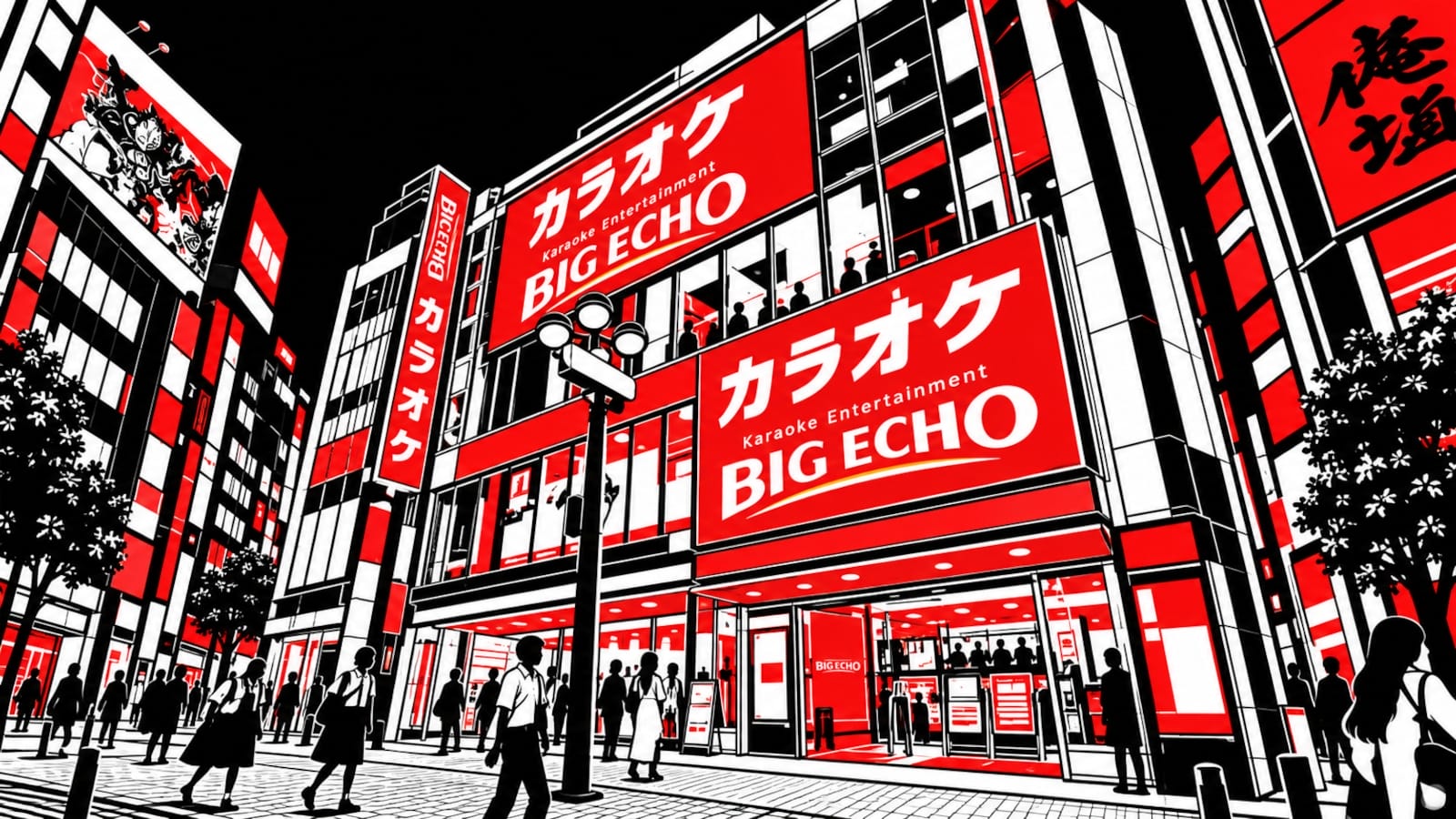
In a significant security lapse affecting one of Japan’s most recognizable entertainment brands, Daiichi Kosho—the operator of the ubiquitous "Big Echo" karaoke chain—has disclosed a major data security incident. The breach, which originated from a malware infection at a third-party contractor, Nippon Columbia Group (NCG), has potentially exposed the personal information of approximately 8.7 million individuals, including both customers and employees.
The incident underscores the growing vulnerability of large-scale enterprises to supply chain attacks. As companies increasingly rely on external vendors to manage vast databases of consumer information, the security posture of those contractors becomes a critical—and often overlooked—link in the chain of data protection.
The Scope of the Incident: A Network-Wide Exposure
Daiichi Kosho, Japan’s largest manufacturer and operator of karaoke systems, oversees an expansive portfolio of hospitality venues. With 521 locations nationwide, the company’s reach extends far beyond its flagship Big Echo brand. The incident has cast a shadow over several other popular chains under the Daiichi Kosho umbrella, including MEGA BIG, Karaoke CLUB DAM, Banana Club, B-GARAGE, and the DK Dining restaurant group.
According to the official disclosure, the compromised data encompasses a staggering 8,631,000 customer records and 93,000 employee files. While the company maintains that its own internal systems were not breached, the exposure occurred within the digital environment of Nippon Columbia Group, a diversified entertainment firm that handles data processing and administrative tasks for Daiichi Kosho.
The nature of the exposed information is particularly concerning, as it involves the foundational data points used by these karaoke venues to manage loyalty programs, reservations, and corporate operations. While Daiichi Kosho has stated that there is no evidence of password theft or unauthorized redemption of loyalty points, the sheer volume of the records involved places millions of Japanese citizens at an elevated risk of targeted phishing, identity verification fraud, and social engineering attacks.
Chronology of the Breach: From Infection to Disclosure
The timeline of the incident reflects the rapid escalation common in modern cyber-attacks, where a single compromised endpoint can jeopardize the integrity of an entire enterprise’s data supply chain.
- The Initial Compromise: The breach began with a malware infection on a single workstation belonging to an employee at the Nippon Columbia Group. It is currently unclear how the initial vector, such as a malicious email attachment or a drive-by download, successfully bypassed the contractor’s existing endpoint security measures.
- Discovery: The infection was identified by Nippon Columbia on October 5. Upon discovery, the organization initiated internal containment procedures, isolating the affected systems on October 6 to prevent lateral movement of the malware across the corporate network.
- Notification: Nippon Columbia promptly informed Daiichi Kosho of the potential breach, acknowledging that the compromised systems held sensitive data belonging to the karaoke giant’s massive customer base.
- Public Disclosure: Recognizing the scale of the potential fallout, Daiichi Kosho issued its first formal statement on October 8. This was followed by a subsequent, albeit brief, update on October 9, which provided little additional clarity regarding the extent of the data exfiltration.
Technical Analysis: The Risks of Third-Party Dependencies
The incident highlights a persistent challenge in the cybersecurity landscape: the "trust deficit" in third-party vendor relationships. In modern business ecosystems, the lines between corporate entities and their contractors are increasingly blurred, yet the security standards are rarely uniform.
While Daiichi Kosho asserts that its own infrastructure remains secure, the fact that its contractor held such a massive repository of identifiable data suggests that the security auditing process for vendors may need to be fundamentally overhauled. When a company outsources data management to a firm like Nippon Columbia—which balances music distribution and artist management alongside data processing—the primary business focus of the contractor may inadvertently relegate cybersecurity to a secondary priority.
The malware identified in the NCG environment likely functioned as a data-scraping tool or a precursor to a ransomware deployment. In many similar instances, attackers utilize "infostealer" malware to exfiltrate credentials, session tokens, or local databases before the victim even realizes they have been compromised. Even if the malware was stopped at the workstation level, the window of time between the initial infection and the isolation of the system is often sufficient for adversaries to exfiltrate significant volumes of data.
Official Responses and Corporate Mitigation
In the wake of the discovery, Daiichi Kosho has adopted a posture of proactive caution. The company has explicitly stated that, as of the latest investigation, there is no confirmed evidence of data theft or unauthorized leakage. However, in the realm of cybersecurity, the absence of evidence is not evidence of absence.
"We have not confirmed any actual data theft or leaks at this time," a spokesperson for the company noted in their disclosure, while simultaneously urging customers to remain hyper-vigilant. "We are advising our users to be wary of unsolicited communications, whether via email, SMS, or telephone, that request payments or sensitive personal information."
The Response Checklist:
- System Isolation: Nippon Columbia has fully isolated the infected workstations and reset all administrative credentials and authentication tokens associated with the affected systems.
- Forensic Investigation: A comprehensive investigation is currently underway to determine the entry point of the malware and the specific scope of the data that may have been accessed.
- Public Communication: The company has updated its corporate website with a dedicated notice, providing transparency regarding the brands impacted and the types of data potentially involved.
- Vendor Audit: Daiichi Kosho is reportedly reviewing its data handling agreements with all third-party contractors to prevent a recurrence of this incident.
Despite these efforts, there has been a notable silence from Nippon Columbia Group regarding the incident. BleepingComputer’s attempts to secure a public statement from NCG have, as of this writing, been met with a lack of transparency, raising questions about whether the contractor is adequately equipped to manage the legal and regulatory fallout of a breach of this magnitude.
Implications for Customers: How to Protect Yourself
For the 8.7 million individuals caught in this breach, the immediate threat is not necessarily a direct financial hack, but rather an increase in sophisticated social engineering.
When a database containing millions of names and associated venue histories is leaked or accessed, cybercriminals can create highly convincing "personalized" phishing campaigns. For example, an attacker could send a message appearing to come from "Big Echo" or "Club DAM," referencing a customer’s recent visit to a specific branch, and then request payment for a "billing error" or ask the customer to "re-verify" their account information via a malicious link.
Recommended steps for affected individuals include:
- Monitor Accounts: Watch bank and credit card statements for any unauthorized activity, even in small amounts.
- Beware of "Urgency": Legitimate companies rarely demand sensitive information via email or SMS with high-pressure tactics. If you receive an urgent request, navigate directly to the official company website rather than clicking links in the message.
- Change Passwords: While the company claims passwords were not compromised, it is a standard security best practice to change passwords for any account associated with the affected karaoke brands, especially if those passwords are reused across other platforms.
- Enable MFA: Wherever possible, enable Multi-Factor Authentication (MFA) on your accounts to ensure that even if a password is compromised, your account remains secure.
The Broader Landscape: Security in the AI Era
This incident occurs at a time when the security landscape is shifting rapidly due to the proliferation of AI-powered attacks. As discussed by cybersecurity experts at the upcoming "Validation Summit 2026," attackers are now using machine-speed automation to exploit vulnerabilities faster than human defenders can respond.
The Daiichi Kosho/Nippon Columbia incident serves as a stark reminder that even legacy industries—like entertainment and hospitality—are now prime targets for sophisticated cyber-actors. The complexity of modern supply chains means that a breach at a record label can have immediate, tangible consequences for millions of karaoke fans.
As the investigation continues, the Japanese business community will be watching closely to see how both companies navigate the potential regulatory consequences under the Act on the Protection of Personal Information (APPI). The result of this case will likely set a precedent for how third-party data liabilities are handled in Japan for years to come. For now, the millions of impacted customers must navigate the digital landscape with increased caution, aware that their personal data is currently floating in a zone of uncertainty.


 Ali Ikhwan
 Rifan Muazin




