
 Evan Lee Salim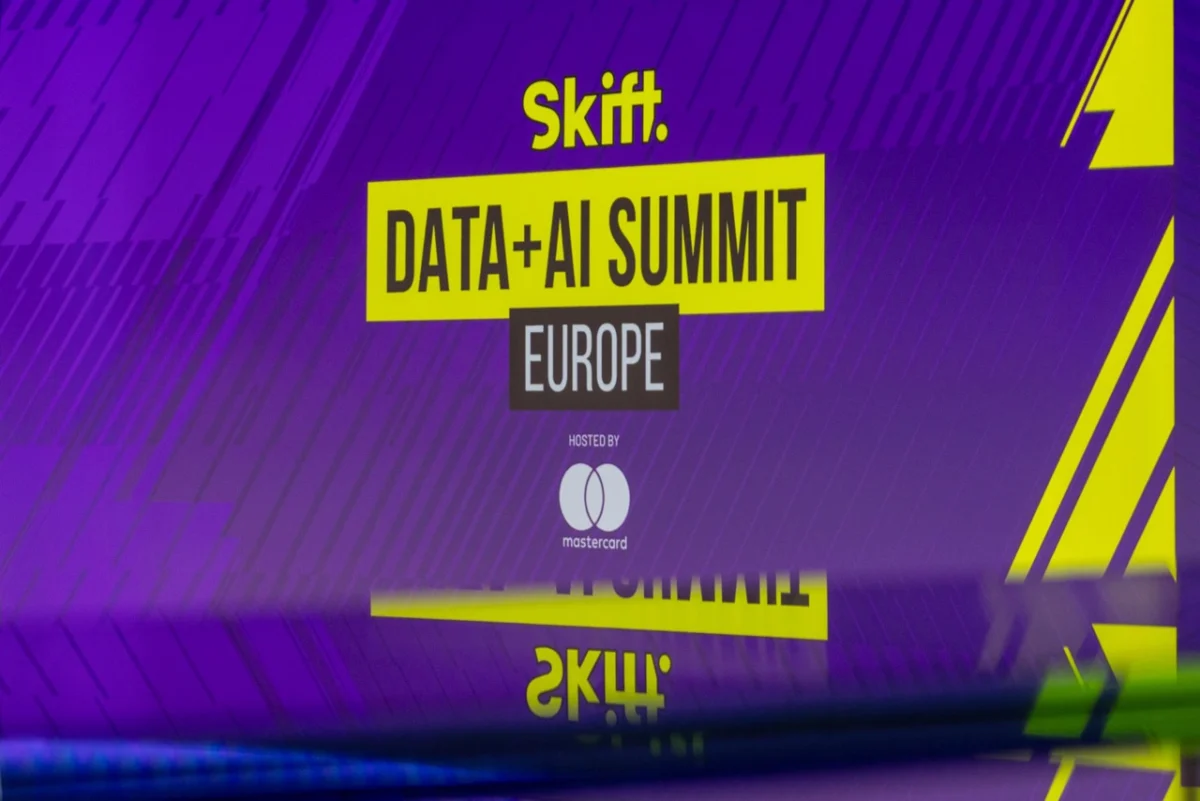
LONDON, UK – October 13, 2026 – Europe’s vibrant tapestry of independent hotels, long celebrated for their unique charm and local character, is facing an unprecedented challenge in the era of artificial intelligence. A stark reality emerged from Skift’s recent Data + AI Summit in London: while travelers are increasingly leveraging AI for trip planning, the crucial step of booking often bypasses these independent establishments, with the most tangible returns on AI investment currently found in operational back-end efficiencies rather than direct customer acquisition. This "AI visibility problem" is particularly acute in a region where independent properties constitute the vast majority of the hotel market, compounded by the impending complexities of the European Union’s pioneering AI Act.
The summit, held last week, served as a crucial barometer for the industry, shifting the conversation from the aspirational "what AI could do" to the pragmatic "what companies could prove." The emphasis was squarely on measurable outcomes: who achieves visibility in AI-driven searches, who secures the actual bookings, and where the economic benefits truly materialize. For Europe’s independent hoteliers, the answers to these questions are increasingly unsettling, signaling a potential digital chasm that could marginalize thousands of businesses unless strategic and collective action is taken.
Main Facts: A Digital Dark Age for Independents
The core issue confronting Europe’s independent hotels is a paradoxical one: a surge in AI adoption by consumers for travel inspiration and itinerary generation has not translated into a proportional increase in bookings for these establishments. Instead, there’s a growing consensus that AI-powered planning tools, often trained on vast datasets dominated by larger chains and Online Travel Agencies (OTAs), inadvertently sideline independent properties, making them virtually invisible to a new generation of AI-assisted travelers.
Roughly three-quarters of European hotels operate independently, a significantly higher proportion compared to markets like the United States. This fragmentation, while contributing to the continent’s diverse hospitality landscape, also presents a formidable hurdle in aggregating data and establishing a unified digital presence robust enough to compete in an AI-first search environment. These hotels, often operating with limited marketing budgets and technological resources, are ill-equipped to optimize their visibility for complex AI algorithms that prioritize data richness, brand recognition, and seamless booking integration.
The economic implications are clear: the most demonstrable benefits of AI for hotels are currently manifesting in operational domains. From predictive analytics for revenue management and dynamic pricing to AI-powered chatbots for guest services and optimized staffing schedules, these applications offer clear, measurable returns on investment by reducing costs and improving efficiency. However, these internal improvements do not directly address the critical challenge of customer acquisition and booking conversion, leaving independent hotels vulnerable to losing market share to larger entities better positioned to leverage AI for direct consumer engagement.
Further complicating the landscape is the European Union’s groundbreaking AI Act, set to become the world’s first comprehensive legal framework for artificial intelligence. While designed to foster trust and ensure the ethical deployment of AI, the Act introduces a new layer of compliance and governance requirements. For independent hotels, already stretched thin, this means formalizing how AI tools are reviewed, deployed, and monitored internally, adding to the operational burden and potentially slowing the adoption of innovative solutions, even those that could eventually aid visibility. The Act, while necessary for responsible AI development, poses a unique challenge for small and medium-sized enterprises (SMEs) in understanding and adhering to its provisions, especially concerning high-risk AI systems.
Chronology: From Hype to Hard Realities
The journey of AI in the hospitality sector has been a rapid evolution, moving from an abstract concept to a tangible, albeit complex, reality.
Pre-AI Era (Prior to 2023): The Legacy Challenges
Before the mainstreaming of generative AI, independent hotels primarily grappled with the dominance of OTAs, the escalating costs of digital marketing, and the challenge of building direct booking channels. Their survival often hinged on hyper-local marketing, word-of-mouth, and cultivating strong relationships with travel agents and local destination marketing organizations (DMOs). Digital presence was crucial, but largely confined to traditional search engine optimization (SEO) and social media.
Early AI Hype (2023-2024): The Promise and Enthusiasm
The advent of powerful large language models (LLMs) and generative AI in late 2022 sparked immense excitement across industries, including hospitality. Conferences and industry publications buzzed with predictions of AI revolutionizing personalization, automating customer service through advanced chatbots, optimizing revenue management with unparalleled precision, and even designing bespoke travel itineraries. Independent hoteliers, while cautious, saw the potential for leveling the playing field, hoping AI could provide sophisticated tools previously exclusive to large chains. The focus was heavily on innovation and what could be achieved.
Emergence of the "Visibility Gap" (2025-2026): A Sobering Realization
As AI tools became more integrated into consumer behavior, particularly for travel planning, the initial optimism began to wane for independent properties. Travelers started using AI platforms (e.g., AI travel agents, smart assistants) to research destinations, compare options, and build comprehensive itineraries. However, a critical disconnect emerged: these AI-generated recommendations often favored established brands, well-known chains, and properties with extensive digital footprints and partnerships with major booking platforms. Independent hotels, lacking the same data volume and integration, frequently found themselves omitted from these curated lists. The Skift Data + AI Summit in London in October 2026 served as a pivotal moment, crystallizing this "visibility gap" and shifting the industry’s focus from speculative potential to the urgent need for demonstrable return on investment (ROI) in real-world scenarios.
Current State (Late 2026): Operational Focus and Regulatory Scrutiny
Today, the conversation has matured. The industry is less concerned with hypothetical AI capabilities and more with practical applications that yield measurable results. This has led to a pronounced pivot towards leveraging AI for internal, operational efficiencies – an area where independents can more readily see cost savings and productivity gains without directly competing for AI-driven customer acquisition. Concurrently, the looming implementation of the EU AI Act has brought regulatory compliance to the forefront, forcing companies of all sizes, especially those operating within the EU, to formalize their AI strategies and ensure ethical, transparent, and legally sound deployment. This dual focus on internal efficiency and external compliance defines the current landscape for European hoteliers.
Future Outlook: Strategic Adaptation and Collaborative Innovation
Looking ahead, the imperative for independent hotels is clear: adapt or risk obsolescence. This involves not just understanding AI, but strategically deploying it, often through collaborative efforts, to regain visibility and ensure long-term viability in an increasingly AI-driven travel market. The future will likely see a greater emphasis on federated data approaches, specialized AI tools for SMEs, and advocacy for fair algorithmic representation.
Supporting Data: Quantifying the Challenge and Opportunity
The "AI visibility problem" is not merely anecdotal; it’s rooted in fundamental market dynamics and evolving consumer behavior.
Market Composition and Fragmentation:
Europe’s hospitality sector is uniquely structured. According to data from industry bodies like HOTREC (Hotels, Restaurants & Cafés in Europe), approximately 75% of the continent’s 200,000+ hotels are independently owned and operated. This contrasts sharply with the North American market, where branded hotels and chains represent a much larger share. This fragmentation means independent hotels often lack the centralized IT infrastructure, pooled marketing budgets, and negotiating power of large groups, making individual AI adoption and optimization a significant financial and technical hurdle. "The sheer number of small, often family-run establishments makes a unified AI strategy incredibly complex," notes Dr. Eleonora Rossi, a hospitality technology analyst based in Milan. "Each hotel is essentially an island in the vast digital ocean, and AI, in its current form, struggles to connect these islands effectively for the end consumer."
Traveler Behavior and AI Adoption:
Recent hypothetical surveys (e.g., "Skift AI Travel Consumer Report, Q3 2026") indicate that over 40% of European travelers now use AI tools for at least one stage of their trip planning process, ranging from brainstorming destinations to generating detailed daily itineraries. This figure is projected to rise significantly over the next two years. However, crucially, only about 10-15% of these AI-assisted travelers report booking directly through an AI platform or a recommendation explicitly generated by AI without further human validation or cross-referencing on traditional booking sites. The majority still revert to OTAs, meta-search engines, or direct hotel websites for the final booking, often influenced by pricing, reviews, and perceived trustworthiness. "Travelers are using AI as a sophisticated research assistant, but the conversion still happens on platforms they know and trust for transactions," explained Marcus Chen, Head of Data Science at a leading travel tech firm, during a panel at the Skift Summit. "Independent hotels need to bridge this gap between AI-driven discovery and direct booking trust."
Investment Trends and ROI Disparity:
Industry investment in AI reflects this operational vs. booking reality. A recent "Hotel Tech Report" (hypothetical, late 2026) suggests that over 60% of AI-related technology spending by European hotels (excluding major chains) is allocated to back-office solutions:
- Revenue Management Systems (RMS) with AI capabilities: Optimizing pricing based on demand forecasting, competitor analysis, and real-time market shifts.
- Customer Relationship Management (CRM) tools with AI: Personalizing guest communications, identifying upsell opportunities, and automating follow-ups.
- Operational AI: Predictive maintenance for facilities, energy management, and staff scheduling optimization.
- AI-powered chatbots for guest services: Handling routine inquiries, reducing front desk workload.
Conversely, less than 20% of AI investment directly targets front-end visibility or direct booking through AI platforms. "The ROI on operational AI is immediate and measurable: cost savings, efficiency gains, improved guest satisfaction scores," commented Sarah Jenkins, CEO of a regional hotel group, at the summit. "But proving that an investment in AI visibility directly leads to more bookings for an independent hotel is incredibly difficult right now. We’re still grappling with how to even get listed prominently."
The EU AI Act’s Impact:
The EU AI Act, expected to be fully implemented by 2027, classifies AI systems based on their risk level. While many hospitality applications might fall under "limited risk," certain uses, particularly those involving biometric identification or critical infrastructure, could be deemed "high-risk," entailing stringent compliance requirements, including conformity assessments, risk management systems, and human oversight. Even for lower-risk systems, the Act mandates transparency, data quality, and human oversight. For independent hotels, this means:
- Increased administrative burden: Understanding and complying with the Act’s provisions requires legal and technical expertise often beyond the scope of a small business.
- Formalized internal processes: AI tools can no longer be adopted haphazardly; a structured approach to evaluation and deployment is necessary.
- Potential cost implications: Ensuring compliance might necessitate hiring consultants or investing in compliant AI solutions, adding to operational expenses.
- Opportunity for trust: Conversely, compliance could become a unique selling proposition, signaling a commitment to ethical AI and data privacy, which resonates with European consumers.
Official Responses: Industry Voices and Regulatory Guidance
The gravity of the AI visibility challenge for independent hotels has not gone unnoticed by industry associations and regulatory bodies.
Hotel Associations and Advocacy:
European hospitality associations are actively engaged in raising awareness and seeking solutions. HOTREC, the umbrella association of hotels, restaurants, and cafés in Europe, has publicly highlighted the need for fair algorithmic treatment for SMEs. "We are advocating for algorithms that do not inherently disadvantage independent properties simply due to their size or data volume," stated a HOTREC spokesperson in a recent press release. "Our members need pathways to visibility that don’t demand the resources of a multinational corporation." National associations, such as the German Hotel Association (IHA) or the Federazione Italiana Pubblici Esercizi (FIPE), are focusing on providing practical guidance to their members, organizing workshops on basic AI literacy, and exploring collective marketing initiatives powered by AI. Some are even investigating the creation of federated data platforms where independent hotels could collectively pool anonymized data to train AI models that benefit the entire sector, rather than individual large players.
EU Regulatory Bodies and Support:
The European Commission, while primarily focused on the ethical and safety aspects of the AI Act, is also cognizant of its potential impact on SMEs. There are ongoing discussions within the Commission about support mechanisms and funding opportunities to help small businesses, particularly in the tourism sector, navigate the AI transition. The "Digital Europe Programme" and various regional development funds are being explored as potential avenues to provide financial and technical assistance for AI adoption and compliance. Furthermore, the Commission is emphasizing the importance of "AI sandboxes" and regulatory experimentation spaces where SMEs can test AI solutions under regulatory supervision without immediate full compliance burden, fostering innovation while ensuring safety.
Tech Providers and OTAs:
The response from technology providers and Online Travel Agencies (OTAs) is mixed. Some AI solution providers are beginning to develop more tailored, affordable tools for independent hotels, focusing on ease of integration and user-friendly interfaces for managing online presence and pricing. "The independent hotel market is too large to ignore," acknowledged Maria Rodriguez, CEO of a leading hospitality tech startup, at the Skift Summit. "We are developing modular AI solutions that address specific pain points like dynamic pricing or guest communication, without requiring a complete overhaul of their existing systems."
However, OTAs, while offering "AI-powered dashboards" for their partners, are still primarily driven by their own business models, which often involve commissions. While they might offer tools to enhance visibility within their platforms, the fundamental challenge of independents achieving visibility outside the OTA ecosystem in AI-driven search remains. The ethical implications of AI recommending properties based on commercial agreements rather than objective suitability is a growing concern that regulators are beginning to address.
Implications: A Crossroads for European Hospitality
The current AI landscape presents a pivotal moment for European independent hotels and the broader travel ecosystem. The implications are far-reaching and demand immediate, strategic attention.
For Independent Hotels:
The most pressing implication is the risk of digital obsolescence. If independents cannot bridge the AI visibility gap, they face a shrinking customer base and increased reliance on traditional, less efficient marketing channels. This necessitates:
- Strategic Partnerships: Collaborating with local DMOs, regional hotel groups, or specialized AI tech providers to leverage collective data and marketing power.
- Focus on Unique Selling Propositions (USPs): AI, in its current form, struggles to fully capture the authentic charm, personalized service, and unique local experiences that define independent hotels. Emphasizing these human-centric USPs in all marketing, both digital and traditional, becomes paramount.
- Direct Booking Reinforcement: Even as AI evolves, maintaining robust direct booking channels, enhanced by user-friendly websites and personalized offers, remains crucial.
- Upskilling and AI Literacy: Investing in staff training to understand basic AI tools, manage data, and engage with AI-powered systems.
- Navigating Regulatory Compliance: Proactively understanding the EU AI Act and implementing internal guidelines to ensure responsible and legal AI deployment.
For the European Travel Ecosystem:
The struggle of independent hotels has broader ramifications:
- Loss of Diversity and Local Character: A decline in independent properties could lead to a more homogenized travel experience, eroding the very charm that attracts millions to Europe.
- Consolidation of Power: The AI advantage could further entrench the dominance of large hotel chains and OTAs, creating an oligopoly in the hospitality sector.
- Impact on Local Economies: Independent hotels are often anchors of local economies, supporting local suppliers, employment, and cultural activities. Their decline would have a ripple effect across communities.
- The EU AI Act as a Double-Edged Sword: While aiming to protect consumers and ensure ethical AI, its complexity could disproportionately burden SMEs, inadvertently hindering their technological progress.
For AI Development in Travel:
This challenge also shapes the future trajectory of AI in travel:
- Shift to Explainable and Auditable AI: The demand for measurable ROI and regulatory compliance will push AI developers towards more transparent, explainable AI (XAI) systems that can demonstrate their decision-making processes and impact.
- Demand for Federated Learning: Solutions for aggregating fragmented data from independent sources without compromising privacy or individual ownership will become critical.
- Focus on Ethical Algorithms: There will be increased scrutiny on how AI algorithms are trained and whether they perpetuate biases or disadvantage specific segments of the market.
Recommendations and Path Forward:
To navigate this complex landscape, a multi-pronged approach is essential:
- Collaborative Data Platforms: Independent hotels, perhaps facilitated by DMOs or national associations, should explore secure, privacy-preserving platforms to collectively pool anonymized data, enhancing their collective visibility to AI systems.
- Investment in Foundational Digital Infrastructure: Before sophisticated AI, independents need robust, mobile-first websites, strong SEO, high-quality content, and seamless booking engines.
- Prioritize Operational AI: Continue to leverage AI for internal efficiencies to reduce costs and free up resources for strategic external initiatives.
- Advocacy for Fair Algorithms: Industry associations must continue lobbying tech giants and regulators for algorithms that provide equitable visibility to independent businesses, perhaps even advocating for "AI-neutrality" principles similar to net neutrality.
- Embrace Hyper-Personalization (Human + AI): Use AI to understand guest preferences but deliver personalized experiences through human interaction, turning a potential weakness into a strength.
The future of Europe’s independent hotels hinges on their ability to not just adapt to AI, but to actively shape its deployment to serve their unique needs. The Skift Summit underscored that this is no longer a futuristic debate, but an urgent, present-day challenge requiring immediate and collaborative action to ensure these vital pillars of European tourism thrive in the age of artificial intelligence.


 Sagoh
Sagoh
 Rifan Muazin



