Evan Lee Salim
In a significant escalation of cyber threats targeting the WordPress ecosystem, security researchers have identified a critical vulnerability within the popular Everest Forms Pro plugin. Tracked as CVE-2026-3300, this flaw provides unauthenticated remote attackers with the ability to execute arbitrary code on affected servers, effectively granting them complete control over compromised websites. With active exploitation already underway, the incident serves as a stark reminder of the persistent risks associated with third-party extensions in content management systems.
The Nature of the Vulnerability: A Technical Breakdown
At the heart of the security failure is a flaw within the plugin’s "Complex Calculation" feature. Designed to facilitate advanced form logic—such as dynamic pricing or customized user input processing—the feature inadvertently creates a gateway for remote code execution (RCE).
When a user submits a form, the plugin processes the input by inserting these values into a PHP code string. This string is then executed using PHP’s dangerous eval() function. While the developers implemented the sanitize_text_field() function to mitigate potential threats, this security measure is fundamentally insufficient. The sanitization process fails to adequately escape single quotes (') or other characters that are critical to PHP syntax.
By injecting a single quote into a form field, an attacker can prematurely close the intended string literal. Once the string is closed, the attacker can append their own malicious PHP code and use the // comment marker to effectively "comment out" the remainder of the legitimate, generated code. This ensures that the server does not encounter a syntax error, allowing the malicious payload to execute seamlessly within the context of the website’s application environment.
Chronology of the Crisis
The trajectory of CVE-2026-3300 follows a classic pattern of vulnerability discovery, remediation, and subsequent weaponization by threat actors.

- February 2026: The security researcher known as "h0xilo" discovered the flaw and responsibly disclosed it to the developers via the security firm Wordfence.
- March 18, 2026: In response to the disclosure, the Everest Forms development team released a security patch designed to close the vulnerability. This version update is critical for all users of the Pro edition.
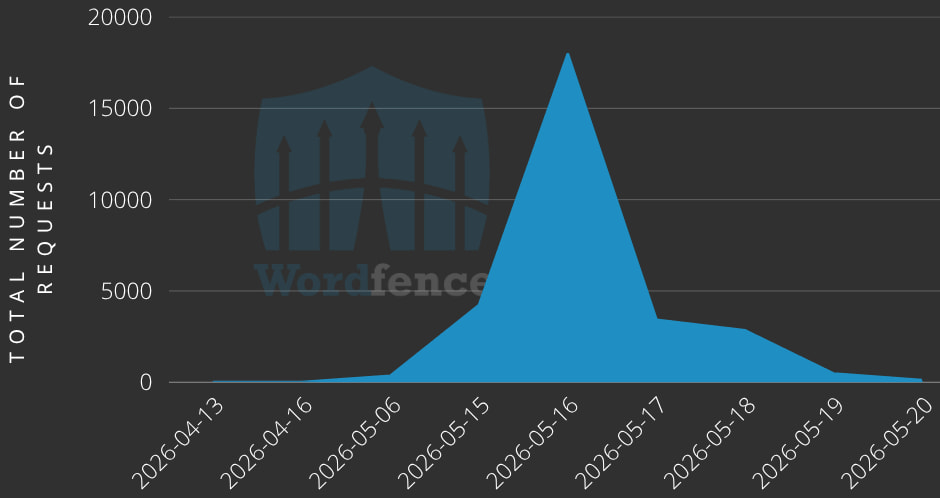
- April 13, 2026: Despite the existence of a patch for nearly a month, active exploitation of the vulnerability was observed in the wild. Attackers began scanning for vulnerable installations that had not yet been updated.
- June 2026: Telemetry from security providers confirms that the vulnerability is being actively leveraged to gain administrative access to WordPress environments, with tens of thousands of attack attempts blocked by automated firewall systems.
Supporting Data and Attack Patterns
The scope of the exploitation is significant. Data gathered by the Wordfence firewall and malware scanner indicates that the vulnerability is not merely a theoretical threat but an active vector for unauthorized access.
The "diksimarina" Signature
Attackers are using a specific, recognizable pattern to compromise sites. By injecting a payload that calls the WordPress function wp_insert_user(), they are creating new administrative accounts. One of the most frequently observed usernames associated with these unauthorized accounts is "diksimarina."
Security analysts suggest that this specific identifier serves as a "calling card" or a functional test by the attackers to confirm that their injection method was successful. Once the account is created, the attacker possesses the full privileges of a site administrator, enabling them to bypass traditional authentication and maintain a persistent presence on the server.
Exploitation Volume
Since the onset of active exploitation in mid-April, the volume of attacks has been intense. Wordfence reports have blocked over 29,300 attempts to exploit the vulnerability. These attacks originate primarily from a small subset of IP addresses, most notably 202.56.2[.]126 and 209.146.60.26. System administrators are strongly advised to monitor their server logs for traffic from these sources and implement IP-based blocking as a precautionary measure.
Implications for WordPress Administrators
The implications of a successful exploit are severe. Because the vulnerability grants administrative access, the integrity, confidentiality, and availability of the entire website are compromised.

Full System Compromise
An attacker with administrator privileges can perform virtually any action that the legitimate site owner can. This includes:
- Content Manipulation: Altering, deleting, or defacing existing website content to spread misinformation or phishing links.
- Plugin and Theme Injection: Installing malicious plugins or themes, which act as backdoors to allow the attacker to regain access even if their initial administrative account is deleted.
- Database Exfiltration: Accessing sensitive user data, customer information, and proprietary business records stored within the WordPress database.
- Webshell Deployment: Planting "webshells"—hidden scripts that provide a command-line interface for the attacker to execute further commands, escalate privileges, or use the server as a node in a larger botnet or for cryptojacking.
The Hidden Costs
Beyond the technical damage, the reputational cost of a breach can be catastrophic. If a site is used to distribute malware to its visitors or is blacklisted by search engines like Google for hosting malicious content, the business impact can lead to a total loss of traffic and revenue. Furthermore, depending on the jurisdiction and the type of data stored on the site, administrators may face legal obligations regarding the disclosure of a data breach.
Official Responses and Remediation Steps
The developer of Everest Forms Pro has addressed the vulnerability in the latest updates. The primary and most effective defense against this threat is an immediate update to the latest version of the plugin.
Immediate Action Plan for Site Owners
If you operate a WordPress site utilizing the Everest Forms Pro plugin, you must take the following steps immediately:
- Update the Plugin: Navigate to your WordPress dashboard and ensure that the Everest Forms Pro plugin is updated to the latest available version. Do not delay this update, as the window of vulnerability is currently being exploited by automated bots.
- Audit Administrative Accounts: Conduct a thorough review of your WordPress user list. Search specifically for any accounts that you do not recognize, particularly those with the username "diksimarina." If you find any, delete them immediately and force a password reset for all legitimate administrative users.
- Review Server Logs: Examine your access logs for suspicious activity. Look for HTTP requests targeting the form-processing endpoints, particularly those containing suspicious characters like single quotes or references to PHP functions.
- Implement Security Hardening: Ensure that your WordPress environment is behind a reputable Web Application Firewall (WAF). Services like Wordfence or similar enterprise-grade security tools can block exploit attempts even if the plugin has not yet been updated.
- Change Credentials: If you suspect that your site was compromised, change all administrative passwords, API keys, and database credentials immediately, as these may have been exfiltrated by the attacker.
The Broader Landscape of WordPress Security
The incident involving CVE-2026-3300 highlights the inherent risks of the WordPress plugin ecosystem. While plugins provide essential functionality and convenience, they also introduce a massive, fragmented attack surface. Each plugin acts as a potential point of failure.
In an era where security teams report that over 50% of successful attacks are only discovered after the fact, and where detection rates remain stubbornly low, the responsibility falls on individual site administrators to maintain a rigorous security posture. This includes adopting a "patch-first" mindset, employing the principle of least privilege for user accounts, and regularly conducting breach simulations to ensure that security configurations are actually effective.
As attackers continue to refine their automated scanning techniques, the time between the disclosure of a vulnerability and its widespread exploitation is shrinking. The case of Everest Forms Pro serves as a warning: software maintenance is not merely an operational task—it is a critical security function. Site owners must treat third-party extensions with the same level of scrutiny as the core platform itself, ensuring that security patches are applied as soon as they are available to prevent minor code flaws from becoming major organizational crises.


 Sagoh
Sagoh
 Nana Wu