Dwi Wanna

The Asia-Pacific hospitality landscape is undergoing a period of intense recalibration as we enter the final quarter of 2026. According to the latest Market Snapshot: Asia Pacific 2026 report by HVS, the region is witnessing a sophisticated shift in asset management strategies, with institutional investors and hospitality groups focusing on portfolio optimization, brand repositioning, and targeted geographical expansion.
From the high-stakes divestments in Japan’s bustling Osaka market to the emerging opportunities in Australia’s capital, the data indicates that investors are prioritizing assets with significant potential for operational enhancement. This report synthesizes the latest transaction data, market movements, and corporate developments shaping the hospitality sector across the APAC region.
1. The Strategic Pivot: Portfolio Recapitalization in Japan
Japan continues to be the epicenter of hospitality transaction activity in the Asia-Pacific region. A significant development in this sector is the ongoing portfolio recapitalization by CREAL Corporation.
The Osaka Divestment
CREAL Corporation has officially entered into an agreement to divest the 168-key Garner Hotel Osaka Honmachi Midosuji to the Japan-based Centaurus GK. This move is a calculated component of a broader recapitalization strategy involving a three-hotel portfolio that totals 518 keys. These assets were originally acquired from Hong Kong-based Axe Management Partners in July 2026 for a reported JPY 21.0 billion.
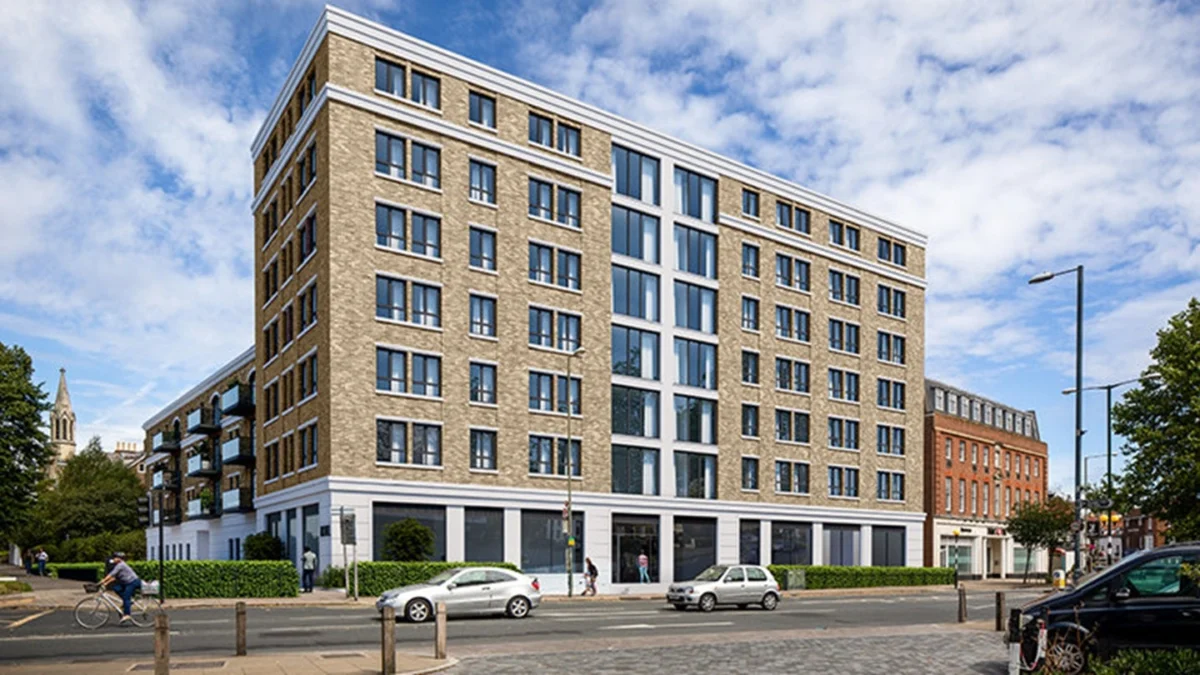
While the specific sale price for the Garner Hotel Osaka Honmachi Midosuji remains undisclosed, industry analysts estimate the valuation to be at least JPY 3.8 billion. The transaction is slated for completion by December 15, 2026. The property, a 13-storey asset constructed in 2018, occupies a prime location in Osaka’s Chuo Ward, strategically positioned near the Honmachi and Yodoyabashi transit hubs.
Historical Context and Operational Continuity
The history of this portfolio is reflective of the "buy-refurbish-reposition" model that has become increasingly popular in Japan. Axe Management Partners had previously acquired the three-hotel Hotel WBF portfolio from CapitaLand Ascott Trust (CLAS) in March 2024 for JPY 10.7 billion. Following the acquisition, the properties underwent extensive renovations and were rebranded under IHG Hotels & Resorts’ "Garner" banner in early 2025.
The portfolio also includes the 182-key Garner Hotel Osaka Honmachi Station and the 168-key Garner Hotel Osaka Honmachi Kita Semba. In a parallel move, CREAL has also divested the Garner Hotel Osaka Honmachi Station to a Singapore-based investor, with the transaction expected to close by the end of 2026. Despite these ownership changes, CREAL remains committed to the operational longevity of the properties; the firm will continue to provide asset management services, while its subsidiary, CREAL Hotels, retains management responsibilities for all three assets.
2. Market Entry: Fifty Group Expands into the Australian Capital Territory
While Japan’s market is characterized by consolidation, the Australian hospitality sector is seeing new entrants targeting regional growth. Fifty Group has officially made its debut in the Australian Capital Territory (ACT) through the acquisition of two prominent Canberra hotels.
Acquisition Details
The two-asset portfolio comprises a combined 137 keys. The acquisitions include:
- The Statesman Hotel (64 keys): Located in Curtin, approximately five kilometers southwest of the Canberra CBD. The property is well-known for its comprehensive facilities, including five food and beverage outlets, a retail shop, and various function spaces.
- The Garden City Hotel, BW Signature Collection (73 keys): Situated in Narrabundah, this property was acquired for AUD 13.7 million, equating to approximately AUD 187,700 per key. The hotel occupies a 6,644-square-meter freehold site and features a swimming pool, fitness center, and extensive meeting facilities.
Strategic Implications
Fifty Group has signaled its intent to modernize these assets. Market reports suggest that the firm is in active discussions to rebrand both properties under the Accor S.A. umbrella. This expansion aligns with Fifty Group’s broader strategy of acquiring established hospitality assets in secondary markets that offer clear pathways to value creation through capital expenditure and operational optimization.

3. Emerging Opportunities: Hikari Hospitality Fund’s Osaka Acquisition
Reflecting the continued investor appetite for Japanese hospitality, the Hikari Hospitality Fund has acquired the 48-key R Hotel Namba Daikokucho in Osaka.
Managed by AP Property Fund Management Pte Ltd—a firm licensed by the Monetary Authority of Singapore (MAS)—the fund is targeting long-term value creation. The property was purchased from Hong Kong-based Raion Capital for an undisclosed sum. Completed in 2020, the nine-storey, 1,040-square-meter hotel represents a modern, boutique asset in the Naniwa Ward. Its proximity to Daikokucho Station provides excellent connectivity, making it a highly desirable asset for business and leisure travelers alike.
4. Financial Innovation: Pre-IPO Capitalization for "The Hyoosik"
The South Korean market is witnessing a unique intersection of private equity and hospitality operations. VIP Asset Management Co., Ltd. and TS Investment Corporation have finalized a KRW 65 billion Pre-IPO project fund to support The Hyoosik Co., Ltd., a specialized hospitality operator.
Corporate Strategy and Growth
Established in 2019, The Hyoosik has carved a niche in the small- to mid-sized accommodation sector, providing end-to-end services from planning and branding to construction and management. With over 300 properties already in its ecosystem—including its proprietary "Aank" brand—the company is now preparing for an Initial Public Offering (IPO) in 2028.
VIP Asset Management’s commitment of KRW 20 billion—its largest proprietary investment in an unlisted firm to date—underscores a high level of institutional confidence in the company’s business model. The Hyoosik intends to leverage this capital to forge partnerships with global giants like Marriott International and Hilton Worldwide, effectively scaling its presence in the three- to four-star tourist hotel segment.
5. Market Performance Overview: Regional Stock Trends
As of October 16, 2026, the hospitality stock market across the APAC region reflects a mixed but generally resilient sentiment.
- Australian Stock Exchange (ASX): Most major players saw slight declines, with Event Hospitality & Entertainment falling 2.7% to 14.40, and the Mirvac Group dipping by 0.8%.
- India’s National Stock Exchange (NSE): The market showed strong performance, with IHCL (Taj Hotels) rising by 4.8% and Mahindra Holiday & Resorts surging by 5.8%.
- Tokyo Stock Exchange (TSE): REITs showed notable strength, with Japan Hotel REIT Investment Corp. rising 4.3% and Ichigo Hotel REIT climbing 4.8%, reflecting investor confidence in the Japanese hospitality real estate sector.
- China/Hong Kong Markets: While some fluctuations occurred, companies like Huazhu Group Limited saw a notable 7.3% increase, indicating positive sentiment toward the Chinese lodging sector.
6. Implications and Future Outlook
The events of late 2026 reveal three distinct trends that will likely define the hospitality sector in the coming years:
- Refinement of Asset Ownership: The divestment of the Garner portfolio in Japan indicates that the initial wave of post-pandemic acquisitions is transitioning into a phase of portfolio pruning. Investors are no longer just buying for scale; they are actively rotating capital to optimize returns.
- The Rise of Mid-Market and Boutique Brands: Both the Japanese R Hotel acquisition and the South Korean "The Hyoosik" funding highlight a strong investor interest in the small-to-mid-sized sector. This segment provides stable cash flows and, through branding partnerships with global groups, significant potential for institutional-grade valuation.
- Regional Integration and Capital Flows: The presence of Singapore-based managers and Hong Kong-based sellers in the Japanese market demonstrates the highly liquid and interconnected nature of the APAC hospitality investment environment.
As we move toward 2027, the focus for stakeholders will remain on operational efficiency and the successful integration of technology-led management solutions. With hospitality intelligence becoming a critical competitive advantage, operators who can demonstrate clear value-add strategies—whether through refurbishment or strategic branding—will continue to lead the market.
For those tracking these shifts, the Market Snapshot: Asia Pacific 2026 provides the granular data necessary to navigate this evolving landscape. As the industry looks toward a stable future, the emphasis will continue to shift from rapid recovery to sustainable, long-term asset growth.
For further analysis, industry insights, and detailed market reviews, stakeholders are encouraged to visit the HVS publication portal or subscribe to the HVS newsletter to remain at the forefront of hospitality trends.

 Nila Kartika Wati

 Siti Muinah