
 Laily UPN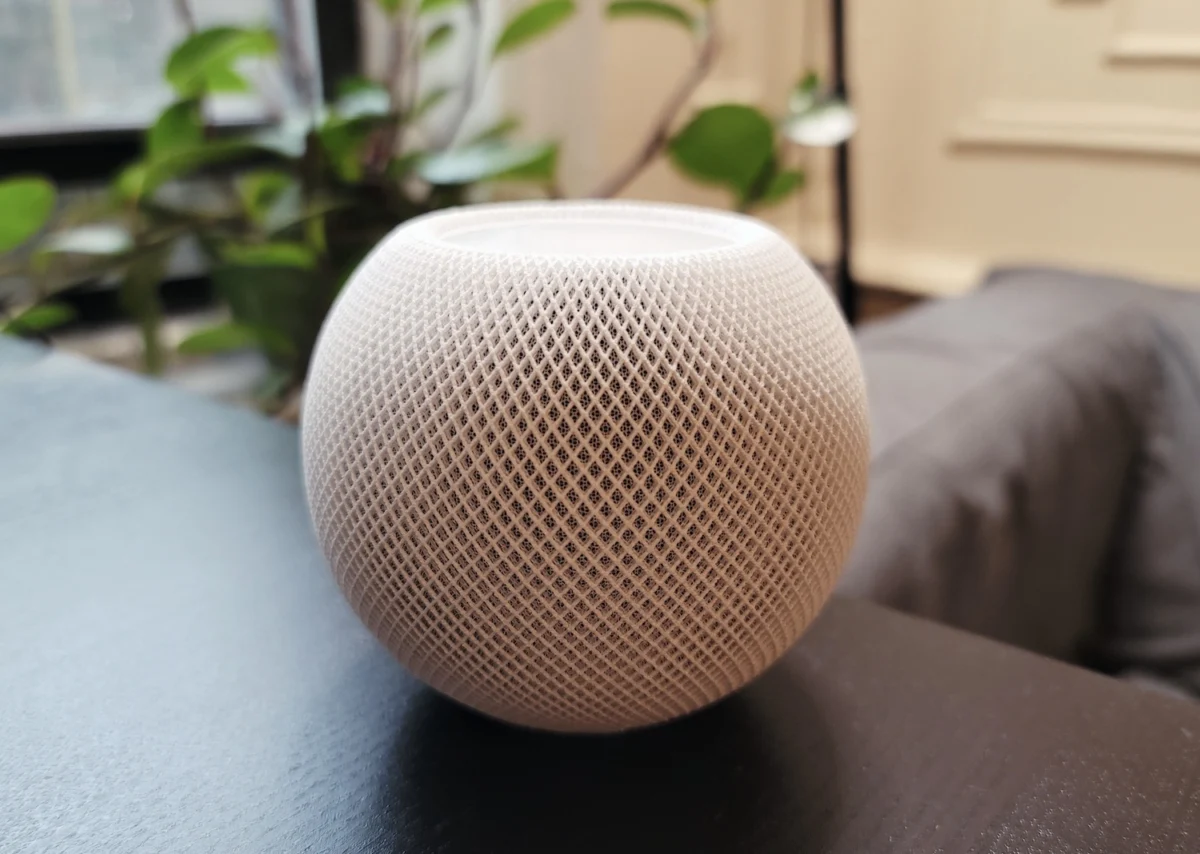
By Tech Insights Bureau
October 11, 2026
Apple is on the cusp of a significant strategic pivot in its hardware ecosystem. According to reporting from Bloomberg’s Mark Gurman, the Cupertino-based tech giant is set to unveil "HomeView," a dedicated smart home hub, this coming Tuesday. This launch marks a culmination of years of development, internal speculation, and iterative design, positioning the device as the cornerstone of Apple’s long-term vision for the automated household.
The HomeView is expected to be more than just a peripheral; it is designed to be the central nervous system of the Apple smart home, integrating Siri with an A18-powered display to provide a fluid, command-center experience for users.
Main Facts: What We Know About HomeView
The HomeView represents Apple’s most aggressive attempt to capture market share in the smart home sector, a space where it has previously struggled to achieve the dominance it enjoys in the mobile and wearable markets.
The device is slated to arrive in two distinct form factors, catering to different architectural needs within the home:
- The Countertop Model: A portable unit designed for kitchen islands, nightstands, or desks, emphasizing accessibility and ease of use.
- The Wall-Mountable Model: A flush-mount iteration designed to serve as a permanent, sleek control interface for smart lighting, climate, and security systems.
At its heart, the HomeView will be powered by Apple’s A18 chip—the same high-performance silicon found in the latest iPhones. This inclusion suggests that Apple intends for the device to handle heavy on-device processing, particularly regarding AI-driven Siri tasks, facial recognition for security, and real-time automation logic that doesn’t rely on cloud latency.
A Chronology of Apple’s Smart Home Ambitions
To understand the weight of the HomeView launch, one must look at the long, winding road that brought Apple to this Tuesday’s announcement.
- 2014: The Foundation. Apple introduced HomeKit, a software framework designed to allow users to control smart home appliances. While technically robust, it suffered from a fragmented user experience and a slow adoption rate by third-party manufacturers.
- 2018: The HomePod Era. Apple attempted to stake a claim in the smart speaker market with the original HomePod. While lauded for its superior audio fidelity, it was hampered by a premium price point and a Siri interface that lagged behind competitors like Amazon’s Alexa and Google Assistant.
- 2023–2024: Internal Friction. Reports began to emerge of internal divisions within Apple regarding the direction of its smart home strategy. Development was reportedly slowed by the need to pivot Siri toward modern Large Language Model (LLM) capabilities, which were essential for the "intelligent" home hub Apple envisioned.
- March 2025: The Setback. News broke that a then-unnamed smart home project had been delayed due to technical challenges related to Siri’s integration and hardware cooling requirements.
- October 2026: The Convergence. Following a series of supply chain rumors, it is now confirmed that Tuesday will serve as the unveiling of a comprehensive smart home ecosystem, not just a single device.
Supporting Data: Why Now?
The smart home market is currently saturated with low-cost, high-volume devices from competitors. However, the industry has long complained of a lack of a unified, "it-just-works" premium experience.
Market analysis shows that while smart home adoption is at an all-time high, consumer frustration is also peaking. Issues regarding interoperability between devices, privacy concerns regarding data stored in the cloud, and the complexity of app-based management have created a vacuum for a centralized, privacy-focused solution.
By leveraging the A18 chip, Apple is betting on Edge Intelligence. Unlike competitors that push data to the cloud for processing, Apple’s hardware is designed to perform the heavy lifting locally. This appeals to the growing segment of the population concerned about data privacy—a demographic that has traditionally been wary of "always-listening" smart speakers.
Furthermore, the integration with a broader hardware refresh is significant. By updating the Apple TV and HomePod mini simultaneously, Apple is signaling to the consumer that these devices are not silos, but rather nodes in a singular, mesh-networked environment.

Official Responses and Strategic Partnerships
While Apple typically maintains a strict "no comment" policy regarding unreleased products, the surrounding ecosystem is already aligning with the anticipated launch.
Earlier this week, it was confirmed that Apple is entering a strategic partnership with LG. This collaboration is set to produce a range of certified smart home accessories, including smart locks, thermostats, and video doorbells. By partnering with a hardware heavyweight like LG, Apple is effectively bypassing the long-standing "compatibility wall" that plagued HomeKit in its early years.
This move mirrors the strategy Apple used to expand CarPlay, where the company collaborated with major automotive manufacturers to ensure a native, reliable, and standardized experience. Industry analysts suggest that this "Certified for Apple Home" program will be the standard moving forward, forcing competitors to either adopt Apple’s stringent privacy and security protocols or risk losing the premium consumer market.
Implications: The Shift in the Ecosystem
The launch of the HomeView is not merely the introduction of a new gadget; it is a declaration of war against the fragmented smart home market.
1. The Death of the "App-Only" Experience
Until now, controlling a smart home often required toggling between multiple manufacturer-specific apps. The HomeView aims to consolidate this into a single, intuitive dashboard. If successful, this will render most third-party smart home apps obsolete for the average Apple user.
2. Siri as an Ambient Agent
The primary friction point for smart homes has been the "command-and-control" nature of voice assistants. With the HomeView’s display and the advanced processing power of the A18, Siri is expected to transition from a voice-command interface to an "ambient agent." This means the device will use sensors to anticipate user needs—adjusting the lighting when a user enters a room or locking the doors based on the time of day—without requiring a voice prompt.
3. The Privacy-First Advantage
Apple’s brand identity is increasingly anchored in privacy. In an era of increasing cybersecurity threats and data breaches, a home hub that processes commands locally on the device (rather than in the cloud) provides a powerful selling point that competitors will struggle to match.
4. Competitive Pressure on Amazon and Google
Amazon’s Echo Show and Google’s Nest Hub have held the fort for years. However, both rely heavily on cloud-based ecosystems that are often criticized for their data-harvesting business models. Apple’s entry into the space with a device that treats the home as a private enclave could force a market-wide shift toward on-device processing, potentially sparking a new "privacy arms race" in the smart home sector.
Looking Ahead: The October 13th Milestone
As we approach Tuesday, the tech industry is focused on the details of the launch. Investors are keen to see if the HomeView can reignite interest in the HomePod product line, while consumers are waiting to see if the pricing structure will be accessible enough to encourage the installation of multiple units throughout the home.
The success of the HomeView will depend on the "ecosystem stickiness" it creates. If Apple can successfully convince users that their home is incomplete without a centralized, AI-driven interface, they will have successfully unlocked a new revenue stream that could sustain growth for the next decade.
The smart home has been the "next big thing" for nearly twenty years. With the HomeView, Apple is finally attempting to move the goalposts, shifting the focus from "connected" devices to an "intelligent" habitat. Whether the market is ready for a premium-tier, privacy-centric home hub remains to be seen, but one thing is certain: on Tuesday, the domestic landscape of the Apple user is set to change forever.


 Rifan Muazin
 Sagoh
Sagoh





