 Basiran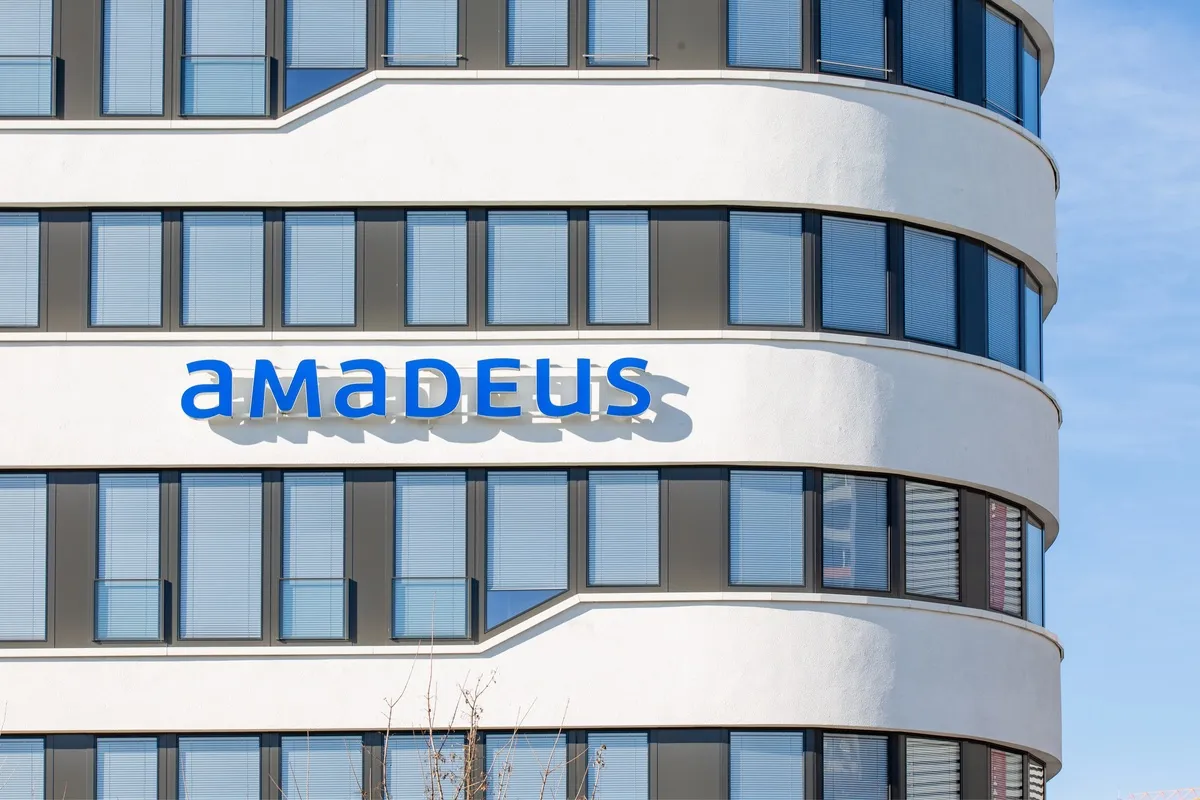
ORLANDO, FL – June X, 2024 – Amadeus, a global leader in travel technology, today publicly introduced two significant artificial intelligence (AI) powered solutions for the hospitality sector at HITEC, the hotel industry’s premier technology conference. While the immediate focus is on enhancing booking capabilities and operational efficiency, these announcements signal a far more ambitious strategic play: Amadeus is actively working to establish the foundational infrastructure that will govern how hotels are discovered, priced, modified, and ultimately paid for in an increasingly AI-driven travel ecosystem. This move positions the GDS giant to extend its long-standing role in distribution infrastructure into the nascent layers of AI-powered hotel commerce.
Main Facts: Redefining Hotel Distribution in the AI Era
Amadeus’ unveiling at HITEC includes two distinct yet complementary AI-driven offerings: AI Commerce and the formal introduction of Amadeus Max. These innovations are not merely incremental improvements but represent a significant leap forward in integrating generative AI into the core functionalities of hotel operations and customer interaction.
AI Commerce: Bridging Hotels and AI-Assistant Channels
At its core, AI Commerce is designed to make hotel inventory seamlessly bookable through the rapidly emerging landscape of AI-assistant channels. As conversational AI interfaces become more sophisticated and prevalent – from virtual assistants on smartphones to integrated AI within search engines and specialized travel planning bots – the ability for hotels to present their offerings and facilitate bookings through these new conduits is paramount. AI Commerce acts as the critical intermediary, translating complex hotel data and booking logic into a format digestible by diverse AI agents. This means that a traveler interacting with an AI assistant could, in theory, discover, compare, and book a hotel room purely through natural language conversation, without ever navigating a traditional booking website or app.
The strategic implications of AI Commerce are profound. It anticipates a future where the traditional "search engine" paradigm might evolve, with AI agents proactively curating and presenting travel options based on nuanced user requests and historical preferences. By providing the plumbing for this new distribution channel, Amadeus aims to ensure that hotels connected to its system remain visible and accessible, preventing them from being marginalized in an AI-first world.
Amadeus Max: Empowering Hotel Staff with Conversational Data Intelligence
Complementing the external-facing AI Commerce, Amadeus Max is an internal tool designed to revolutionize how hotel staff access and interpret critical revenue and demand data. While Amadeus Max has been quietly available to existing users of the company’s travel intelligence tools, its formal introduction at HITEC underscores its readiness for wider adoption. This tool leverages natural language processing (NLP) to allow hotel staff – from revenue managers to general managers – to query complex datasets using plain English.
Imagine a revenue manager asking, "Show me the booking pace for deluxe rooms next quarter compared to last year," or "What impact did the recent city-wide convention have on our weekend occupancy rates?" Amadeus Max processes these natural language questions, sifts through vast amounts of historical and real-time data, and presents actionable insights in an intuitive format. This eliminates the need for specialized data analysts or cumbersome report generation, democratizing access to critical business intelligence. The immediate benefits include faster decision-making, more agile pricing strategies, and a deeper understanding of market dynamics, ultimately leading to optimized revenue performance.
The Bigger Picture: Defining the AI-Powered Hotel Commerce Infrastructure
The planned announcements underscore a singular, overarching strategic objective for Amadeus: to proactively shape the fundamental infrastructure governing how hotels interact with the future of commerce driven by AI agents. Peter Waters, Amadeus’ head of hospitality product, articulated this vision, emphasizing the company’s ambition to carry its established role as a distribution infrastructure provider into the next, AI-powered layer of hotel commerce.
Central to this larger play is Amadeus’ partnership with Google on the Universal Commerce Protocol (UCP). Waters highlighted Amadeus as Google’s sole B2B technical partner listed on the hospitality roster for UCP. The Universal Commerce Protocol is envisioned as a common framework, a set of standardized rules and data models, designed to facilitate seamless communication and transaction capabilities between diverse AI systems and commerce platforms. By being a foundational partner in UCP for hospitality, Amadeus is not just building tools; it is actively contributing to the very language and architecture that will enable AI agents to understand, interact with, and transact across the entire spectrum of hotel offerings globally. This early involvement positions Amadeus at the forefront of defining the open standards and interoperability essential for a truly interconnected, AI-driven travel ecosystem.
Chronology of Innovation: Amadeus’ Journey to AI Leadership
Amadeus’ current strategic move into AI-driven hotel commerce is a logical, albeit ambitious, evolution of its storied history in travel technology. For decades, Amadeus has been a pillar of the global travel infrastructure, initially as a Global Distribution System (GDS) facilitating airline bookings and gradually expanding its reach across hotels, rail, car rental, and other travel segments.
Early Foundations (1980s-2000s): The Rise of the GDS
Founded in 1987 by Air France, Lufthansa, Iberia, and SAS, Amadeus rapidly grew to become one of the world’s leading GDS providers. Its core innovation was creating a centralized, real-time platform that connected travel agencies with airline inventory, streamlining the complex process of flight booking. This foundational role in distribution infrastructure established Amadeus as a critical intermediary, processing millions of transactions daily and setting the standard for global travel connectivity. The company’s initial focus was on efficiency, speed, and reliability in a pre-internet era.
Diversification and Digital Transformation (2000s-2010s): Expanding Beyond Air
As the internet reshaped the travel landscape, Amadeus strategically diversified its portfolio. It moved beyond a pure GDS model to become a comprehensive IT solutions provider for airlines, airports, and hotels. Acquisitions like Optims (hotel IT solutions) and later TravelClick (hotel commerce solutions) bolstered its presence in the hospitality sector. During this period, the focus shifted to helping hotels manage properties, reservations, revenue, and distribution across an increasingly fragmented online travel ecosystem, battling the rise of Online Travel Agencies (OTAs) and direct booking channels. Amadeus developed Property Management Systems (PMS), Central Reservation Systems (CRS), and robust revenue management tools.
The Era of Data and Intelligence (2010s-Present): Leveraging Insights
The explosion of data in the digital age propelled Amadeus to invest heavily in business intelligence and analytics. Recognizing that sheer connectivity was no longer enough, the company began offering tools that allowed travel providers to extract meaningful insights from vast datasets. This included market intelligence, competitor analysis, and demand forecasting. It was during this phase that the seeds for tools like Amadeus Max were sown, with a growing understanding that raw data needed intelligent interpretation to be truly valuable. The challenge for hotels was not a lack of data, but an inability to quickly and easily derive actionable insights from it.
The AI Inflection Point (Recent Years): Preparing for the Next Frontier
The rapid advancements in artificial intelligence, particularly generative AI and large language models (LLMs) in recent years, presented both a challenge and an immense opportunity. Amadeus recognized early that AI agents would fundamentally alter how consumers search, plan, and book travel. The traditional "search box" model is giving way to conversational interfaces that understand context, nuance, and intent. This realization spurred Amadeus to pivot its innovation efforts towards creating the necessary infrastructure to integrate hotels into this evolving AI-first world. The development of AI Commerce and the formal launch of Amadeus Max are direct responses to this paradigm shift, demonstrating Amadeus’ commitment to maintaining its central role in travel distribution by building the bridges to the next generation of commerce. The partnership with Google on the Universal Commerce Protocol further underscores this proactive, future-oriented strategy, ensuring Amadeus is not just adapting to change but actively shaping it.
Supporting Data and Market Context: The Imperative for AI in Hospitality
The hospitality industry stands at a critical juncture, facing increasing operational complexities, intense competition, and rapidly evolving consumer expectations. The introduction of Amadeus’ AI tools comes against a backdrop of significant market trends and supporting data that underscore the urgent need for such innovations.
The Rise of Conversational AI:
Industry reports consistently highlight the burgeoning influence of conversational AI. Gartner predicts that by 2025, customer service organizations that embed AI in their customer experience processes will boost operational efficiency by 25%. For travel, this translates to travelers increasingly expecting personalized, instant responses and seamless interactions through AI assistants. A study by IBM found that 60% of consumers would prefer to use a chatbot to resolve simple customer service issues. AI Commerce directly addresses this shift, ensuring hotels are present and transactable within these preferred conversational channels.
Data Overload and the Need for Actionable Insights:
Hotels generate an immense volume of data – from booking patterns and guest demographics to pricing fluctuations and competitor rates. However, many hotels, particularly independent properties or smaller chains, struggle to harness this data effectively. Legacy systems, siloed information, and a lack of dedicated data science expertise often mean valuable insights remain untapped. Amadeus Max directly tackles this issue, democratizing access to complex data through an intuitive natural language interface. This is crucial as data-driven decision-making is proven to increase revenue. A study by McKinsey & Company indicated that companies that extensively use customer analytics for decision-making report 126% profit improvement over those that don’t.
The Growing Market for AI in Travel and Hospitality:
The global market for AI in travel is experiencing exponential growth. Reports from various market research firms, such as Grand View Research, project the global artificial intelligence in the travel market size to reach billions of dollars by the end of the decade, with a compound annual growth rate (CAGR) exceeding 20%. This growth is fueled by the need for personalized experiences, operational efficiencies, and dynamic pricing strategies. Amadeus’ investment in AI is a direct response to this expanding market opportunity, aiming to capture a significant share of the infrastructure layer.
The Imperative for Interoperability and Open Standards (UCP Context):
The current digital landscape is often characterized by fragmentation, with various platforms and systems struggling to communicate seamlessly. As AI agents proliferate, the risk of further fragmentation – where different AI models cannot effectively interact with diverse commerce systems – becomes a significant hurdle. This is where the Universal Commerce Protocol (UCP) becomes critical. Its goal is to create a common language and framework for AI-driven commerce. Amadeus’ role as Google’s B2B technical partner for UCP in hospitality is strategically vital. It ensures that hotels, regardless of their specific property management system or distribution channels, can potentially participate in a unified AI-driven marketplace. This fosters innovation, reduces integration costs, and prevents a scenario where a few dominant AI platforms dictate terms to the entire industry.
Competitive Landscape:
While Amadeus is a leader, it operates in a competitive environment. Other major GDS players like Sabre and Travelport, along with numerous hotel tech providers and even large OTAs, are also investing heavily in AI. The differentiator for Amadeus lies in its deep integration into the foundational distribution infrastructure and its proactive engagement with initiatives like UCP, aiming not just to offer AI tools but to define the underlying standards for how AI interacts with travel commerce. This strategic focus on infrastructure, rather than just consumer-facing applications, positions Amadeus uniquely in the race for AI dominance in travel.
Official Responses and Expert Commentary: A Vision for the Future
While specific additional quotes from Peter Waters beyond the initial statement were not provided, we can infer the official stance and strategic messaging that Amadeus is likely to emphasize, combined with generalized expert commentary on the significance of these developments.
Amadeus’ Official Stance (Inferred from Strategy):
Amadeus would likely position these announcements as a natural progression of its mission to power the future of travel. Peter Waters, as Head of Hospitality Product, would undoubtedly underscore the transformative potential for hoteliers. He would likely emphasize:
- Empowerment: "Our goal is to empower hoteliers, giving them the tools to not only adapt to the AI revolution but to thrive within it. Amadeus Max puts powerful data insights directly into the hands of staff, enabling smarter, faster decisions. AI Commerce ensures that hotels can reach travelers on the channels of tomorrow, securing their visibility and bookability in the conversational era."
- Strategic Vision: "This isn’t just about launching new products; it’s about building the fundamental infrastructure for AI-driven commerce. Our partnership with Google on the Universal Commerce Protocol is a testament to our commitment to open standards and interoperability, ensuring a fair and efficient ecosystem for all players."
- Customer-Centric Innovation: "Ultimately, these innovations are designed to create a more seamless and personalized experience for the traveler, while simultaneously driving greater efficiency and revenue optimization for our hotel partners."
Expert Commentary (General Industry Perspectives):
Industry analysts and technology consultants would likely view Amadeus’ move as both strategic and necessary.
- On AI Commerce: "The shift towards conversational AI agents for travel planning is inevitable," notes a leading travel tech analyst. "Hotels that aren’t ‘AI-bookable’ risk becoming invisible. Amadeus’ AI Commerce is a critical infrastructure play, ensuring their hotel clients remain competitive in this evolving landscape. It’s about securing the piping for the next generation of booking."
- On Amadeus Max: "Data paralysis is a real problem for many hotels," comments a hospitality technology consultant. "Amadeus Max addresses this head-on. By allowing staff to query data in natural language, it democratizes access to business intelligence, fostering a more agile and data-driven culture. This can significantly impact revenue management and operational efficiency."
- On the UCP Partnership: "Amadeus’ involvement with Google on the Universal Commerce Protocol is perhaps the most significant long-term strategic move," an industry observer suggests. "It demonstrates a forward-thinking approach to defining the rules of engagement for AI in travel. By contributing to open standards, Amadeus is positioning itself not just as a vendor, but as an architect of the future travel ecosystem, which could have profound implications for market dominance and interoperability."
- Overall Significance: "This dual announcement from Amadeus signals a clear understanding of where the travel industry is headed," states a tech journalist specializing in AI. "They’re addressing both the front-end consumer experience via AI agents and the back-end operational efficiency for hotels. Their ambition to define the underlying infrastructure for AI commerce underscores their intent to remain a pivotal player in global travel for decades to come."
These commentaries highlight the broad recognition within the industry of the transformative power of AI and the strategic importance of Amadeus’ proactive approach to shaping its future application in hospitality.
Implications for the Industry: A Transformative Future
Amadeus’ AI initiatives carry significant implications across the entire travel and hospitality ecosystem, promising to reshape how hotels operate, how travelers book, and how technology providers compete.
For Hotels: Enhanced Revenue, Efficiency, and Guest Experience
- Optimized Distribution and Reach: AI Commerce ensures hotels remain visible and bookable across an expanding array of AI-assistant channels, potentially driving new demand and reducing reliance on traditional OTAs. This broadens their distribution footprint in a cost-effective manner.
- Smarter Revenue Management: Amadeus Max empowers hotel staff with instant, actionable insights from complex data. This allows for more dynamic pricing, better forecasting, and optimized inventory allocation, directly translating to increased revenue per available room (RevPAR) and overall profitability.
- Operational Efficiency: By automating data analysis and simplifying access to intelligence, Amadeus Max frees up valuable staff time, allowing them to focus on guest service and strategic initiatives rather than manual report generation.
- Personalized Guest Experiences: As AI agents gain more sophisticated understanding of traveler preferences, AI Commerce can facilitate highly personalized recommendations and booking flows, leading to increased guest satisfaction and loyalty.
- Reduced Friction: Streamlined booking and modification processes through AI assistants can significantly reduce customer service queries and enhance the overall guest journey, from initial planning to post-stay feedback.
For Travelers: Seamless, Personalized, and Instant Travel Planning
- Effortless Booking and Planning: Travelers will experience a more intuitive and conversational way to plan and book their hotel stays. Asking an AI assistant for "a pet-friendly boutique hotel in Paris with a balcony near the Louvre for under $300 next month" could yield instant, bookable results, eliminating tedious website navigation.
- Personalized Recommendations: AI agents, powered by tools like AI Commerce and UCP, can offer highly relevant suggestions based on past travel, stated preferences, and real-time context, moving beyond generic search results.
- Instant Modifications and Support: Changing a booking, checking policies, or asking for local recommendations could become as simple as a natural language query to an AI assistant, improving responsiveness and convenience.
- Improved Transparency: A standardized protocol like UCP could lead to greater transparency in pricing and availability across different platforms.
For Amadeus and the GDS Landscape: Reinforcing Market Position
- Extended Influence: By building the infrastructure for AI-driven hotel commerce, Amadeus extends its critical intermediary role into the next generation of travel distribution, solidifying its position as a foundational technology provider.
- Competitive Advantage: Proactive development of AI tools and strategic partnerships like the one with Google on UCP position Amadeus ahead of competitors who may be slower to adapt to the AI paradigm shift.
- New Revenue Streams: The adoption of AI Commerce and Amadeus Max will likely open up new service and licensing revenue opportunities, diversifying Amadeus’ business model.
- Data Dominance: Further integration into AI-driven transactions will enhance Amadeus’ access to valuable data, which can be leveraged for future product development and market insights.
The Future of Distribution: A Paradigm Shift
- Shift from Search to Conversation: The dominance of traditional search engines could evolve as AI agents become the primary interface for travel discovery and booking. This necessitates a new approach to distribution that caters to conversational interfaces.
- Importance of Open Standards: The Universal Commerce Protocol highlights the growing need for open standards and interoperability to prevent market fragmentation and ensure fair competition in an AI-dominated ecosystem. Amadeus’ involvement is crucial here.
- New Business Models: The efficiency gains from AI and the ability to personalize offerings could foster new business models, potentially including more dynamic pricing structures or subscription-based travel services.
- Evolving Role of OTAs: While OTAs will undoubtedly leverage AI, the infrastructure provided by Amadeus could empower hotels to regain more control over their direct distribution, potentially rebalancing the power dynamics in the ecosystem.
Challenges and Ethical Considerations
Despite the immense potential, the AI revolution in travel also presents challenges:
- Data Governance and Privacy: The increased collection and processing of traveler data by AI agents raise critical questions about privacy, security, and ethical data use.
- Algorithmic Bias: Ensuring AI models are fair, unbiased, and do not inadvertently discriminate against certain traveler segments or property types is paramount.
- Digital Divide: Ensuring that smaller, independent hotels can also access and leverage these advanced AI tools, and are not left behind due to resource limitations, is an important consideration.
- Job Impact: While Amadeus Max aims to augment staff capabilities, the broader application of AI in hospitality could lead to concerns about job displacement in certain operational areas.
- Maintaining Human Touch: The challenge will be to integrate AI seamlessly while preserving the essential human element of hospitality that many travelers value.
In conclusion, Amadeus’ announcements at HITEC are far more than product launches; they are a declaration of intent to define the very architecture of future hotel commerce. By providing the critical infrastructure for AI-driven booking and empowering hoteliers with intelligent data tools, Amadeus is not just adapting to the AI revolution but actively steering its course, promising a future where travel planning is more intuitive, efficient, and personalized than ever before. The success of this ambitious vision will hinge on widespread industry adoption and the ongoing commitment to open, ethical, and secure AI development.


 Sagoh
Sagoh
 Laily UPN