Nana
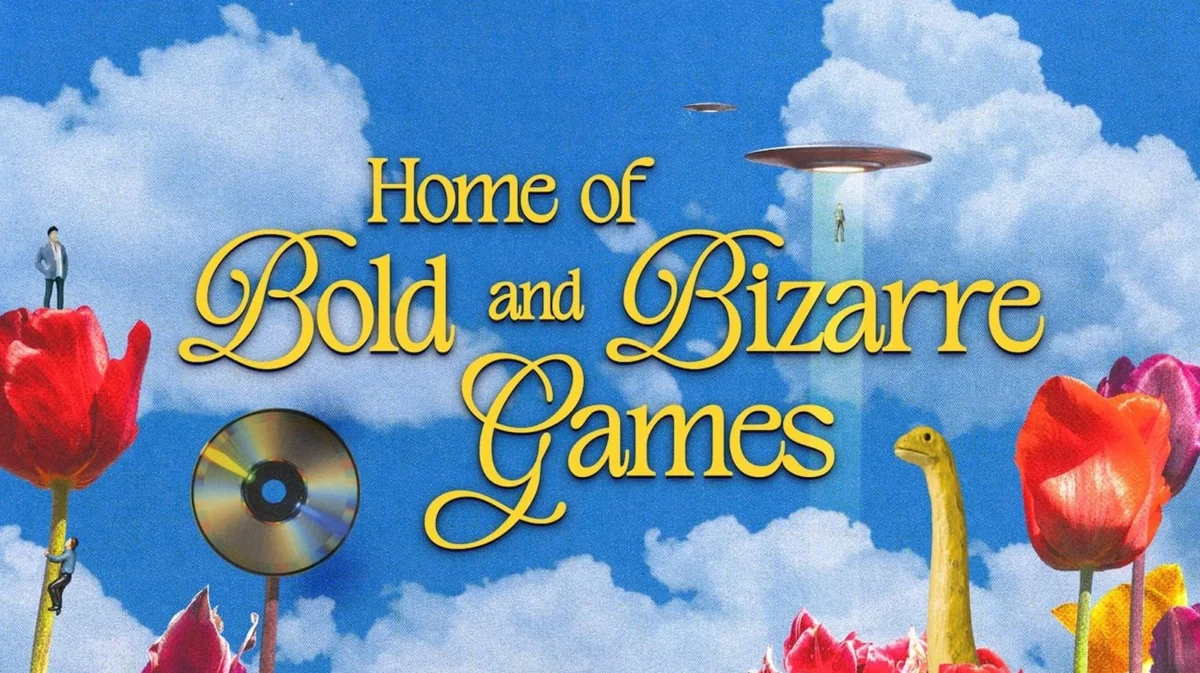
In an era dominated by massive subscription services like Xbox Game Pass and PlayStation Plus—platforms that often prioritize blockbuster AAA titles and high-fidelity graphics—a new challenger has emerged with a decidedly different philosophy. Pantaloon, a curator-turned-publisher known for its discerning taste in the independent gaming scene, has officially launched "The Playbill," a subscription service explicitly designed to champion the eccentric, the experimental, and the unconventional corners of the industry.
The Playbill arrives not as a competitor to the industry titans, but as an alternative ecosystem. By focusing on "bold and bizarre" titles, Pantaloon is positioning itself as a boutique digital curator, offering a curated experience for players who feel alienated by the repetitive churn of mainstream titles. Perhaps most notably, the service has staked a moral position in the ongoing discourse surrounding modern technology: Pantaloon has issued a firm guarantee that no games featuring generative AI will ever be platformed on The Playbill.
Main Facts: What is The Playbill?
At its core, The Playbill is a tiered subscription service that provides access to a rotating library of indie games. Priced at $5 per month or $60 per year, the service functions as a discovery engine for players looking to bypass the opaque algorithms of major storefronts like Steam.
The initial launch library is a diverse mix of third-party indie gems and Pantaloon’s own internal projects. Subscribers can access titles such as Buckshot Roulette, Silt, Ex Sanguis, and Cabin Factory. These are bolstered by the publisher’s internal catalog, including Sub-Verge, Occlude, It Takes a War, Boxroom, Rolla, and the critically acclaimed music creation simulator Offbeat.
A unique feature of the service is the "Green Room," a dedicated space for demos, playtests, and what the team calls "abandoned prototypes." This section invites users to peek behind the curtain of game development, offering early access to titles like Isle Goblin, Mr. Magpie’s Harmless Card Game, and Lemonade Apocalypse.
The Chronology of Pantaloon’s Evolution
The launch of The Playbill is the culmination of a multi-year pivot for the organization. Before entering the publishing space, Pantaloon established itself as a tastemaker through a highly successful newsletter that amassed over 50,000 subscribers.
The strategy was unique: rather than a standard newsletter, the team engaged its audience through puzzle-solving. Subscribers were tasked with solving complex riddles to earn free game keys or, in some cases, purchasing access to curated titles. This gamified approach to distribution fostered a highly loyal, dedicated community. By the time Pantaloon began publishing its own titles, it already had a captive audience primed for a more integrated service.
The transition from a puzzle-based key distribution system to a formal subscription service represents the natural evolution of this community-centric model. Today, the puzzle-solving aspect remains a core part of the experience, with free access to community features, various Alternate Reality Games (ARGs), and the visual novella Virtue: Prologue remaining available to the public.
Supporting Data and Subscription Mechanics
The economics of The Playbill are designed to balance sustainability for developers with accessibility for players. The service operates on a key-based model rather than a perpetual streaming license, which ensures that developers receive tangible support.
The Membership Tiers
- Monthly Subscription ($5/month): This tier is built for consistency. Monthly members receive one guaranteed, pre-selected game each month. Because these titles are often part of bespoke partnerships, the selection is curated. However, for those who prove their mettle, puzzles are available that allow successful solvers to choose their own reward. To prevent "churn and burn" behavior—where users sign up for a single month to harvest keys and then cancel—Pantaloon has implemented a six-month loyalty lock. After six consecutive months of membership, users gain full access to the library.
- Annual Subscription ($60/year): This tier provides immediate access to the full initial lineup of 13 games, as well as every new title introduced to the service throughout the year.
This rotation is essential to the service’s health. As Pantaloon runs out of keys for specific titles, they are cycled out, and new, fresh content is cycled in. This constant turnover keeps the library feeling dynamic, preventing it from becoming a static graveyard of abandoned games.
Official Responses: The Human-Centric Philosophy
Jamin Smith, the founder of Pantaloon, has been vocal about the motivations behind the service. In a recent statement, he framed the Playbill as a direct reaction to the current state of digital game discovery.
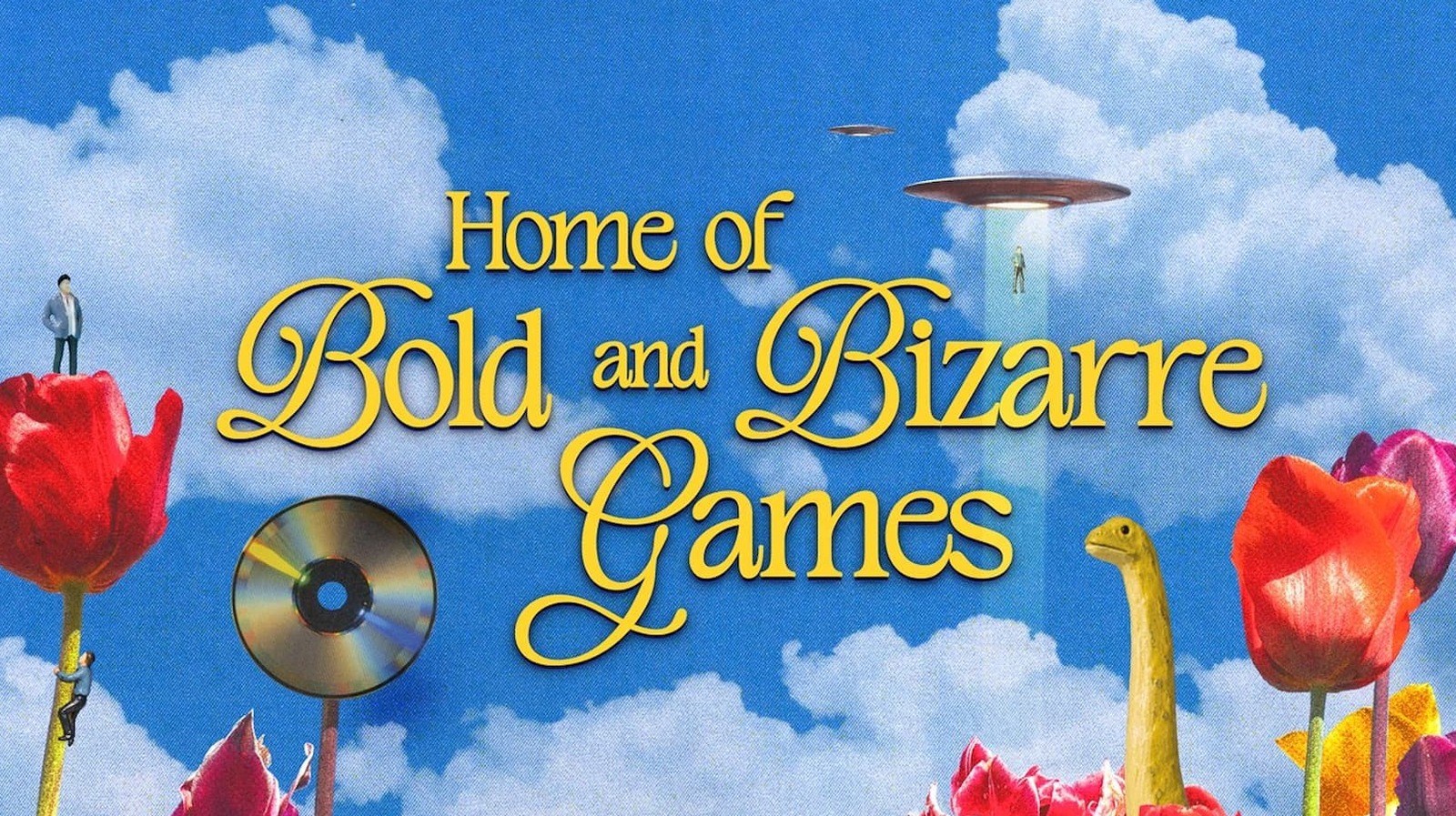
"We want the Playbill to be a celebration of more experimental and eccentric games," Smith said. "The nature of the model reduces that barrier to entry for players to check out genres and experiences that might not be surfaced by Steam’s market-shaping algorithms."
Smith’s stance on generative AI is perhaps the most defining aspect of his vision. By explicitly banning AI-generated assets, Pantaloon is making a statement about the value of human labor. "It’s also worth stating that we won’t feature or platform any games that use genAI in any form; the Playbill is a celebration of the craft of making games."
This creates a "human-only" sanctuary. For developers who worry that their artistic intent is being diluted by automated content generation, The Playbill offers a platform where the "human touch"—the glitches, the bizarre design choices, and the specific artistic vision of an individual creator—is prioritized over the efficiency of machine-generated content.
Implications for the Indie Industry
The launch of The Playbill carries significant implications for the future of independent game publishing.
1. The Death of Algorithm-Driven Discovery
Major platforms like Steam are often criticized for their "black box" algorithms, which prioritize high-engagement, high-budget titles. Smaller, weirder games often fall through the cracks. By replacing the algorithm with a human curator, Pantaloon is effectively creating a "digital boutique." This may encourage other small publishers to follow suit, leading to a landscape where niche subscription services replace the "one size fits all" storefront approach.
2. A Stand Against AI in Creative Work
As generative AI continues to permeate the gaming industry, from dialogue generation to asset creation, ethical questions regarding copyright and labor are mounting. By taking a hardline stance, Pantaloon is positioning itself as an ethical alternative. This could become a major selling point for both developers and consumers who are increasingly skeptical of the ethical implications of AI in the arts.
3. Sustainability via Community
The Playbill’s reliance on its 50,000-strong newsletter community suggests that the future of indie publishing may not lie in viral marketing, but in deep, sustained engagement. By gamifying the subscription process, Pantaloon keeps its users actively participating in the ecosystem rather than passively consuming content.
4. The Challenge of Scale
The primary risk for The Playbill is the inherent limitation of its key-based model. Unlike a streaming service, where games are always available, The Playbill must constantly negotiate new key supplies and partnerships. If the service grows too large, maintaining this manual curation and key distribution may become a logistical nightmare.
Conclusion
The Playbill is an experiment in digital curation, a pushback against the homogenizing forces of modern gaming platforms. By focusing on the "bold and bizarre," and by maintaining a strict, human-centric production standard, Pantaloon has carved out a unique space for itself in the market.
Whether or not this model can scale beyond its current niche remains to be seen. However, for the indie developer crafting a strange, non-commercial, or experimental game, or for the player who finds themselves bored by the endless sequels and high-gloss production values of modern blockbusters, The Playbill offers something rare: a digital space that feels intentionally, lovingly human. As the gaming world continues to grapple with the tension between mass-market automation and individual artistic expression, the success of platforms like The Playbill will be a critical bellwether for the health of the indie ecosystem.


 Sagoh
 Nana Wu