Nana Muazin
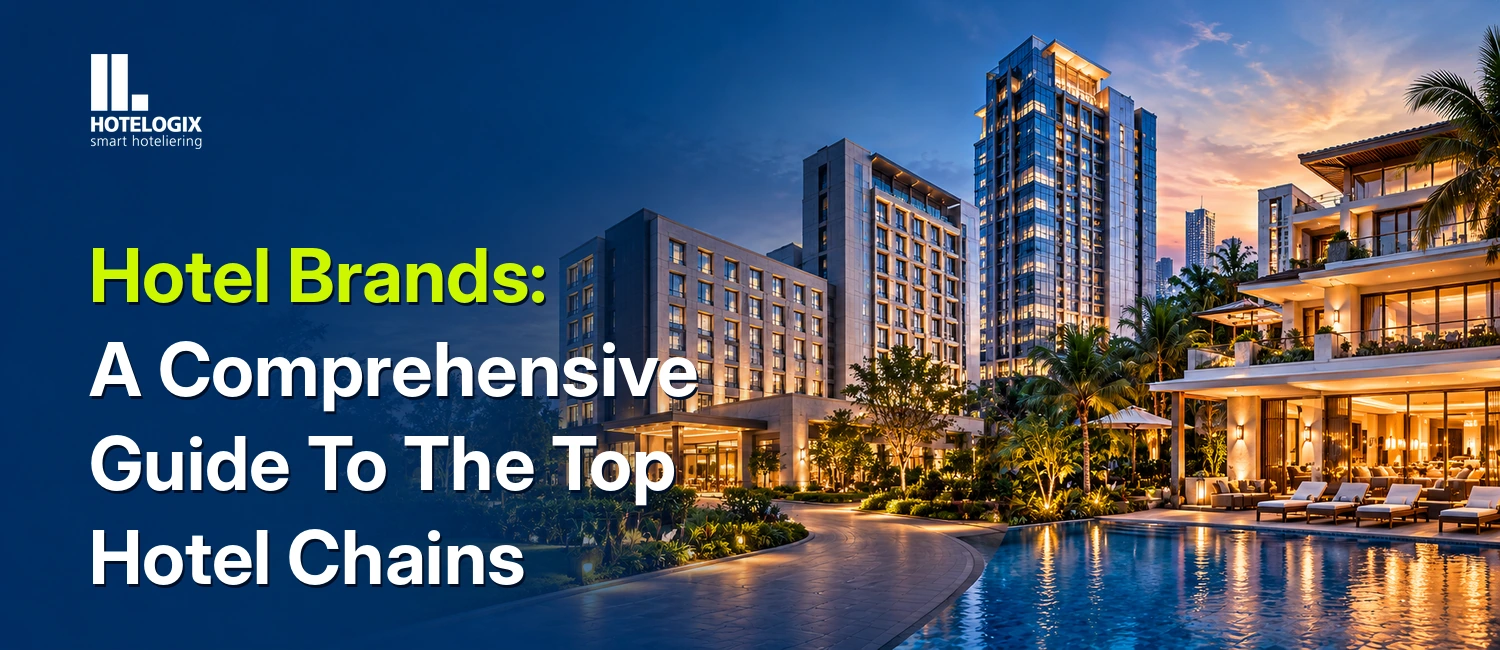
In the modern travel landscape, a hotel brand is far more than a decorative nameplate above a lobby door or a logo on a booking site. It acts as a sophisticated promise—a shorthand for the guest experience, encompassing everything from the thread count of the linens to the efficiency of the Wi-Fi and the temperament of the concierge. For the traveler, a brand serves as a compass, navigating the overwhelming choices of the digital booking age. For the hotel owner, it is a strategic vehicle for market penetration, revenue optimization, and operational stability.
As the global hospitality sector evolves, the line between a "hotel," a "brand," and a "group" has become increasingly blurred. Understanding this ecosystem is essential for anyone looking to invest in, operate, or simply better understand the hospitality industry.
The Anatomy of Hotel Brands: Identity and Infrastructure
At its core, a hotel brand is the operating concept under which a property is marketed. It dictates the service standards, the interior design aesthetic, and the amenities guests can anticipate. When a property aligns with a major brand, it inherits the brand’s "DNA"—a set of operational guidelines that dictate everything from staff training protocols to the technology stack used at the front desk.
The Hierarchical Structure
To understand the industry, one must distinguish between the three primary tiers:
- The Hotel: The individual physical asset—the building in a specific city.
- The Brand: The identity and standard (e.g., Courtyard by Marriott or Hampton by Hilton).
- The Group: The parent corporation (e.g., Marriott International or Hilton Worldwide) that manages a portfolio of various brands.
This distinction is critical because, in many instances, the parent group does not actually own the physical building. A hotel might be owned by a private real estate investment firm, branded by Hilton, and managed by a third-party hospitality firm. This "tripartite" structure allows for massive scalability.
Chronology of Consolidation: How Groups Built Their Empires
The history of the modern hotel brand is a story of rapid consolidation and market segmentation. In the mid-20th century, hotels were largely independent. The rise of international travel in the 1960s and 70s necessitated consistency; business travelers demanded that a room in New York look and function like a room in London.
The Era of Brand Proliferation
As global demand grew, hotel groups realized that one brand could not satisfy every segment. A budget traveler and a luxury seeker have conflicting needs. Thus, the "Portfolio Strategy" was born.
- The 1980s-90s: Groups like Marriott and IHG began acquiring or developing niche brands. They moved beyond simple "hotels" to create "Select-Service," "Extended-Stay," and "Lifestyle" categories.
- The 21st Century: The focus shifted to "Collection Brands" (e.g., Marriott’s Autograph Collection), which allow boutique, independent-style hotels to join a global loyalty network while retaining their unique, non-standardized aesthetic.
Today, this diversification is the industry’s greatest strength. By owning multiple brands, a group like Accor or Wyndham can capture a traveler at every stage of their life—from a budget-conscious student staying at an Ibis to a corporate executive at a Fairmont.
Supporting Data: The Economics of Branding
The reliance on brands is not merely for marketing; it is a calculated financial move. According to JLL Research and STR Census data, nearly 57% of global hotel inventory is now branded. Within that subset, roughly 47% of rooms are operated under franchise or third-party management agreements.
Market Segment Breakdown
The preference for branding is not uniform across all tiers. In the Luxury segment, owners often prefer the "white-glove" service of a flag-managed property, leading to lower third-party management rates (around 12%). Conversely, in the Upscale and Midscale sectors, the reliance on third-party managers and franchises is near-total (reaching up to 89%), as owners prioritize the distribution power and loyalty program access provided by the parent brand.
Revenue Drivers
Brands generate revenue through:
- Franchise Fees: A percentage of the gross room revenue paid by the owner for the right to use the brand name.
- Marketing and Loyalty Contributions: Funds allocated to the brand’s global reservation and rewards systems.
- Management Fees: Base and incentive fees paid to the hotel group to handle the day-to-day operation of the property.
The Strategic Dilemma: Branded vs. Independent
For property owners, the choice between joining a global brand or remaining independent is the most significant strategic decision they will face.
The Case for Branding
- Distribution Power: Access to massive global reservation systems and OTA (Online Travel Agency) partnerships.
- Loyalty Programs: The "Points Economy" is a powerful driver of repeat business.
- Operational Standards: Proven frameworks that reduce the risk of service failure.
The Case for Independence
- Operational Autonomy: Freedom to set design, pricing, and guest experience without corporate oversight.
- Cost Savings: No franchise or royalty fees, which can account for a significant portion of a hotel’s bottom line.
- Local Character: The ability to pivot quickly to local trends without waiting for corporate approval.
The Role of Technology: The Invisible Nervous System
A brand promise is only as good as its execution. In a high-volume hotel environment, technology acts as the central nervous system. A Property Management System (PMS) is the core of this operation.
For growing hotel groups, the PMS is no longer just a digital ledger. It is a cloud-based infrastructure that connects:
- Centralized Reservations: Ensuring that a room booked in one country is instantly reflected in the group’s global inventory.
- Automated Housekeeping: Real-time updates on room readiness, reducing wait times for guests.
- Business Intelligence: Data-driven reporting that allows managers to optimize pricing based on demand fluctuations.
Platforms like Hotelogix have become essential for mid-to-large operators, providing the multi-property visibility required to manage complex portfolios. By integrating front-desk workflows with distribution channels, hotels can eliminate the "silo effect," where disconnected systems cause errors and revenue leakage.
Implications: The Future of the Industry
The future of the hotel brand is being shaped by two competing forces: Hyper-Personalization and Operational Automation.
1. The Rise of "Soft" Brands
We are seeing a move away from rigid, cookie-cutter branding. Travelers are increasingly seeking authenticity. Brands are responding by creating "soft brands"—collections of independent hotels that gain the technical and marketing weight of a giant like Hilton or Hyatt, but maintain their own individual design and local flair.
2. The Technological Tipping Point
Artificial Intelligence (AI) and Machine Learning are beginning to impact how brands interact with guests. From predictive maintenance in guest rooms to AI-driven dynamic pricing, the hotels of the future will be leaner and more responsive. However, the human element remains the final frontier. A brand that uses technology to remove friction, rather than replace human connection, will ultimately win the loyalty of the modern traveler.
3. Sustainability as a Brand Pillar
Sustainability is no longer a "nice-to-have" add-on; it is becoming a core brand standard. Future brand agreements will likely include mandatory energy-efficiency benchmarks, as corporate clients and leisure travelers alike prioritize carbon footprints when choosing their accommodation.
Conclusion: Consistency is King
A successful hotel brand is built on a simple premise: Trust. When a guest checks into a hotel, they are entering a contract of expectations. If the brand promises luxury, it must deliver it. If it promises efficiency, the technology must support it.
Whether an owner chooses to align with a global giant or carve out an independent path, the ultimate success of the property depends on the seamless integration of people, processes, and technology. As the industry continues to evolve, the winners will be those who can leverage the scale of global systems while maintaining the warmth and local character that made the hospitality industry an art form in the first place.
For operators, the mandate is clear: Audit your tech stack, define your target demographic, and ensure that your daily operations are not just functional, but reflective of the brand promise you make to every guest who walks through your doors.


 Evan Lee Salim

 Iffa Jayyana