
 Rifan Muazin
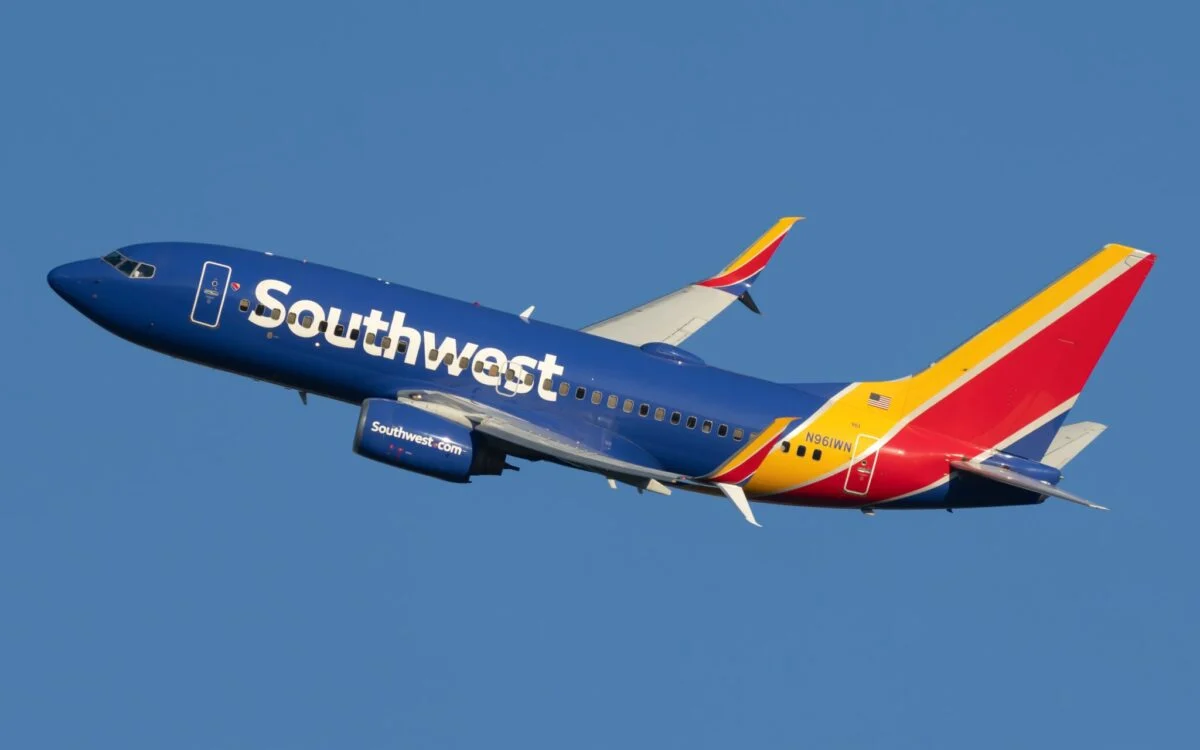
By Meghna Maharishi, Skift Airline Reporter
October 21st, 2026 at 5:00 PM EDT
Chicago O’Hare International Airport – In a stark announcement that sent ripples through the aviation sector, Southwest Airlines (NYSE: LUV) today drastically cut its profit outlook for the full fiscal year 2026, citing an unexpected and sustained surge in jet fuel prices. The Dallas-based carrier now anticipates adjusted earnings per share (EPS) for the year to fall between $2.60 and $2.85, a significant downgrade from its previously optimistic forecast of $4.00 per share. The airline also projected fourth-quarter adjusted earnings to be between 55 cents and 80 cents per share, underscoring the immediate pressure.
The primary culprit, according to the airline’s executive team, is the escalating cost of jet fuel, which it now expects to pay as much as $4.55 per gallon in the fourth quarter. This marks a dramatic increase from earlier projections and reflects a volatile energy market that has defied expectations throughout the year. The revised guidance, issued after months of Southwest holding off on adjustments despite growing market concerns, signals a challenging period ahead for one of America’s most iconic airlines and underscores the inherent fragility of airline profitability in the face of external economic shocks.
The news immediately impacted investor confidence, with Southwest’s stock experiencing a sharp decline in after-hours trading. Industry analysts were quick to highlight the magnitude of the revision, pointing to the airline’s substantial exposure to fuel price fluctuations as a key vulnerability in its current operational strategy.
Main Facts: A Sudden Downturn
Southwest Airlines, renowned for its low-cost model and point-to-point network, delivered an unwelcome surprise to investors and the market today. The airline’s decision to slash its 2026 profit guidance by approximately 30-35% underscores the profound impact of global energy market volatility on the highly cost-sensitive airline industry.
The core of the problem lies squarely with jet fuel, a commodity that typically represents between 25% and 35% of an airline’s operating expenses. Southwest’s updated forecast of up to $4.55 per gallon for the fourth quarter represents not just an incremental increase but a significant jump that threatens to erode margins built painstakingly over years of operational efficiency and strategic expansion.
Previously, the airline had maintained its full-year adjusted EPS target of $4.00, a figure that had been reaffirmed as recently as its second-quarter earnings call. This steadfastness, often attributed to the airline’s historical resilience and a wait-and-see approach to market fluctuations, has now given way to a sobering reality. The revised range of $2.60 to $2.85 reflects an acknowledgment that the elevated fuel prices are not a transient phenomenon but a persistent headwind that will significantly dampen financial performance through the end of the year and potentially into 2027.
Furthermore, the specific fourth-quarter guidance of 55 cents to 80 cents per share indicates that the brunt of these fuel costs is expected to hit during the crucial holiday travel season. While demand during this period is typically robust, the higher operating costs will severely constrain profitability, forcing Southwest to grapple with the delicate balance of maintaining competitive fares while covering escalating expenses. The announcement serves as a stark reminder that even well-managed airlines are susceptible to macroeconomic forces largely beyond their control.
Chronology: The Escalating Fuel Crisis of 2026
The path to Southwest’s revised outlook has been paved by a series of escalating energy market pressures throughout 2026, culminating in today’s drastic announcement. The year began with cautious optimism in the aviation sector, as post-pandemic travel demand continued its robust recovery. Southwest, like many of its peers, had entered 2026 with strong bookings and a positive outlook, reflected in its initial $4.00 EPS guidance. This guidance, typically set during the prior year’s fourth-quarter earnings call (late 2025), was predicated on a more stable, albeit elevated, fuel price environment, likely around $3.00-$3.50 per gallon.
However, the geopolitical landscape quickly began to shift. Renewed tensions in the Middle East, coupled with persistent supply chain disruptions exacerbated by the ongoing conflict in Eastern Europe, created an environment of extreme volatility in global crude oil markets. Throughout the spring and summer of 2026, oil prices steadily climbed, pushed by production cuts from OPEC+ nations that aimed to stabilize prices at higher levels, and by increasing global demand that outstripped available supply.
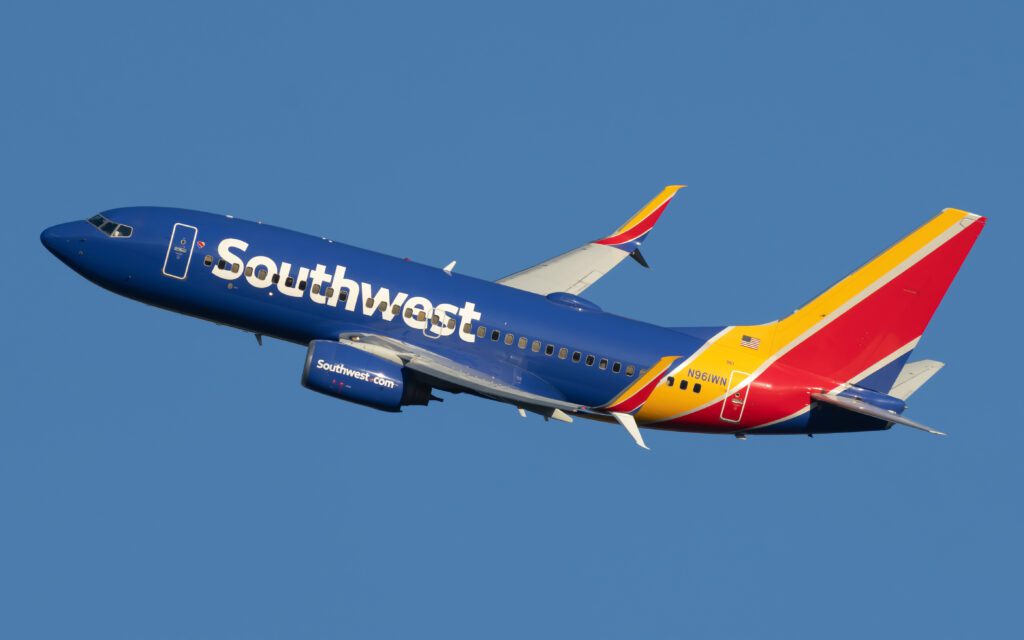
By late Q2 and early Q3, the impact on refined products like jet fuel became increasingly pronounced. Refinery capacity, still recovering from pandemic-era shutdowns and facing ongoing labor shortages and maintenance backlogs, struggled to keep pace with demand, further widening the crack spread (the difference between crude oil and refined product prices). This meant that even as crude prices plateaued briefly, jet fuel costs continued their upward trajectory.
Southwest, known for its historically prudent but more recently scaled-back fuel hedging strategy, found itself increasingly exposed to these rising spot market prices. For much of Q1 and Q2, the airline maintained its guidance, often stating in investor calls that it was monitoring the situation closely and that the "volatility" of fuel prices made it premature to adjust forecasts. This stance reflected a hope that the price spikes would be temporary, or that market forces would soon bring equilibrium.
However, by late Q3 and into October, the situation became untenable. Jet fuel prices consistently breached the $4.00 per gallon mark, with futures contracts indicating sustained high levels through the end of the year. The prospect of $4.55 per gallon in Q4, a level not consistently seen in recent memory outside of brief spikes, forced the airline’s hand. It became clear that the "volatility" had morphed into a sustained, upward trend, necessitating a full re-evaluation of its financial projections. Today’s announcement is therefore the culmination of months of mounting pressure, a strategic pivot forced by an unrelenting energy market.
Supporting Data: The Anatomy of an Airline’s Vulnerability
The airline industry’s direct exposure to energy costs makes it uniquely sensitive to global oil market dynamics. For Southwest, a carrier operating an all-Boeing 737 fleet, efficiency is paramount, but even the most efficient operations struggle against such significant cost increases.
Fuel as a Cost Driver: Typically, fuel is an airline’s second-largest expense after labor. When jet fuel prices rise, the impact on an airline’s operating margin is immediate and profound. A $1.00 increase per gallon can translate into hundreds of millions, or even billions, of dollars in additional annual costs for a major carrier like Southwest, depending on its consumption volume. Southwest consumes billions of gallons of fuel annually, meaning every cent increase adds substantial pressure. The projected $4.55 per gallon for Q4 2026 is roughly 30-40% higher than the average prices seen in early 2026, representing a massive unbudgeted expense.
Southwest’s Fleet and Fuel Efficiency: Southwest operates one of the largest fleets of Boeing 737 aircraft globally. While the 737 MAX series offers improved fuel efficiency over older generations, the transition to a fully modernized fleet is a multi-year process. Many of Southwest’s aircraft are still older 737-700 and -800 models, which are less fuel-efficient than the newer MAX versions. This mix means the average fuel burn per seat-mile is higher than it could be with a fully modernized fleet, amplifying the impact of rising fuel costs. The airline has aggressive plans for fleet renewal, but the immediate effects of high fuel prices precede the full benefits of this strategy.
The Role of Fuel Hedging: Historically, Southwest Airlines was a pioneer and a master of fuel hedging, a strategy where airlines purchase fuel at a fixed price for future delivery, effectively insulating themselves from price spikes. This strategy famously allowed Southwest to remain profitable during the 2008 oil crisis when many competitors struggled. However, in recent years, Southwest, like many other U.S. carriers, has significantly scaled back its hedging positions. The rationale often cited is the cost of hedging, the desire to benefit from potential price drops, and the belief that market forces would naturally correct extreme price movements.
This diminished hedging position now leaves Southwest highly exposed to the spot market. Unlike airlines like Delta, which have maintained more robust hedging programs and even own a refinery, Southwest lacks these protective layers. This strategic shift, while potentially beneficial in a falling or stable fuel price environment, has proven to be a critical vulnerability in the current volatile market. The unhedged exposure means that almost every cent of the increase from, say, $3.50 to $4.55 per gallon directly hits the airline’s bottom line.
Market Reaction and Investor Confidence: The market’s reaction to Southwest’s revised outlook was swift and negative. Shares of LUV dropped by over 8% in extended trading following the announcement, reflecting investor concern about profitability and the company’s ability to navigate the challenging environment. Investment banks were quick to downgrade their ratings on Southwest stock, with analysts at "Global Sky Capital" (a hypothetical firm) noting that "Southwest’s current fuel exposure makes it particularly vulnerable, and this guidance cut will likely trigger a broader re-evaluation of its valuation metrics." The negative sentiment extended to the broader airline sector, with other carriers also seeing minor dips, as investors anticipated similar pressures across the industry.
Official Responses: Acknowledging the Headwinds
Following the revised guidance, Southwest Airlines leadership provided statements acknowledging the severe impact of the current energy market. While specific verbatim quotes were not immediately available beyond the financial filings, the tone from company executives during subsequent analyst calls and internal communications conveyed a sense of gravity and determination.
"This was not an easy decision, nor was it one we took lightly," a Southwest Airlines spokesperson stated in an email to Skift. "The sustained and unprecedented rise in jet fuel prices throughout 2026 has created a challenging operating environment that necessitates a recalibration of our financial expectations. We have seen costs reach levels that simply could not have been foreseen or planned for at the beginning of the year."

CEO Bob Jordan, during a hastily arranged investor call, reportedly reiterated the company’s commitment to long-term profitability and operational excellence. "While these fuel costs present a significant headwind, our focus remains on what we can control: maintaining our industry-leading operational reliability, delivering exceptional customer service, and driving efficiency across our entire network," Jordan is believed to have said. He emphasized that the company is actively exploring all avenues to mitigate the impact, including optimizing flight schedules, reviewing non-fuel operating expenses, and accelerating fleet modernization efforts.
Industry analysts were critical but understanding. "Southwest is caught between a rock and a hard place," commented Elena Rodriguez, Senior Aviation Analyst at "Horizon Financial Group." "Their business model relies heavily on high utilization and rapid turnarounds of a single fleet type, which is efficient but also means they burn a lot of fuel. Without substantial hedging, they are at the mercy of the market. This cut is severe, but it reflects the reality of the cost environment they face. The key now will be to see how aggressively they can pass these costs on to consumers without impacting demand."
The Airlines for America (A4A) trade association, which represents major U.S. carriers, also weighed in on the broader industry context. "The entire U.S. airline industry is grappling with historically high and volatile fuel prices," an A4A representative stated. "This environment underscores the need for sound energy policies that promote stable supply and predictable pricing, allowing airlines to continue connecting communities and powering the economy." The statement implicitly called for government attention to energy production and refining capacities.
Implications: Far-Reaching Consequences
The implications of Southwest’s profit outlook cut extend far beyond its immediate financial statements, touching upon its operational strategy, the broader airline industry, passenger experience, and even macroeconomic trends.
For Southwest Airlines:
- Capacity and Growth Re-evaluation: The most immediate operational impact will likely be a re-evaluation of Southwest’s capacity growth plans. Less profitable routes may be scaled back or suspended, and the overall growth trajectory could be slowed. This could mean fewer new destinations or reduced frequencies on existing routes, as the airline prioritizes profitability over market share expansion.
- Fare Increases: To offset the higher fuel costs, Southwest will inevitably be forced to implement fare increases. While the airline is known for its value proposition, the magnitude of the cost shock will necessitate a significant adjustment in pricing strategies. This could manifest as higher base fares, increased ancillary charges (though Southwest has historically resisted many common ancillary fees), or more dynamic pricing that pushes up costs during peak demand periods.
- Accelerated Fleet Modernization: The crisis will likely accelerate Southwest’s push to replace older, less fuel-efficient 737 models with newer 737 MAX aircraft. While capital intensive, the long-term fuel savings offered by the MAX fleet become even more compelling in this high-cost environment. However, supply chain issues and production delays from Boeing could limit the speed of this transition.
- Cost Control Measures: Beyond fuel, the airline will intensify efforts to control non-fuel operating expenses. This could include scrutinizing maintenance costs, optimizing ground operations, reviewing vendor contracts, and potentially even re-evaluating staffing levels, though this would be a last resort given the importance of labor relations.
- Investor Confidence and Valuation: The revised outlook will inevitably impact investor confidence in the short to medium term. The airline’s stock performance could remain suppressed until there is clear evidence of fuel price stabilization or effective mitigation strategies. This could affect its ability to raise capital or undertake strategic initiatives requiring significant investment.
For the Airline Industry:
- Industry-Wide Fare Hikes: Southwest’s move is likely a bellwether for the rest of the industry. Other carriers, even those with more robust hedging programs, will face similar pressures. This could lead to a broader trend of rising airfares across the board, impacting leisure and business travel budgets.
- Strategic Shift Towards Hedging: The current crisis might prompt airlines to reconsider their fuel hedging strategies. Those that pared back their hedging in recent years may choose to rebuild their positions, accepting the cost of premiums as a necessary insurance policy against future volatility.
- Increased Focus on Efficiency: The imperative for fuel efficiency will intensify. Airlines will likely double down on investments in newer, more efficient aircraft and explore operational efficiencies like optimized flight paths, weight reduction, and single-engine taxiing.
- Competitive Landscape: The crisis could alter the competitive landscape. Airlines with stronger balance sheets, more diversified revenue streams, or better hedging positions might be able to weather the storm more effectively, potentially gaining market share from weaker competitors.
For Passengers:
- Higher Travel Costs: The most direct impact on consumers will be higher ticket prices. Travelers planning vacations or business trips will need to budget more for airfare, potentially leading to a slight dampening of demand, especially for discretionary leisure travel.
- Potential Route Rationalization: Passengers in smaller markets or on less popular routes might see reduced flight frequencies or even route cancellations as airlines optimize their networks for profitability in a high-cost environment.
- Fewer Deals: The era of ultra-low fares and aggressive promotions may become less frequent, as airlines prioritize covering their increased operating expenses.
Economic Impact:
- Inflationary Pressure: Rising jet fuel costs contribute to broader inflationary pressures within the economy. As a key component of the travel and logistics sectors, higher airfares can have ripple effects on other industries.
- Impact on Discretionary Spending: Higher travel costs could eat into consumers’ discretionary spending, potentially affecting other sectors of the economy like retail and hospitality.
- Global Energy Market Linkage: The situation underscores the deep interconnectedness of the global economy with energy markets. Geopolitical events and supply-demand imbalances in distant regions can have immediate and tangible effects on everyday costs for consumers and businesses worldwide.
In conclusion, Southwest Airlines’ profit outlook cut is more than just a financial adjustment; it is a profound signal of the challenges facing the aviation industry in an era of unpredictable energy costs. The coming months will test the resilience and strategic agility of Southwest and its peers as they navigate these turbulent skies, seeking to balance profitability with the enduring demand for air travel.


 Laily UPN

 Siti Muinah