Evan Lee Salim
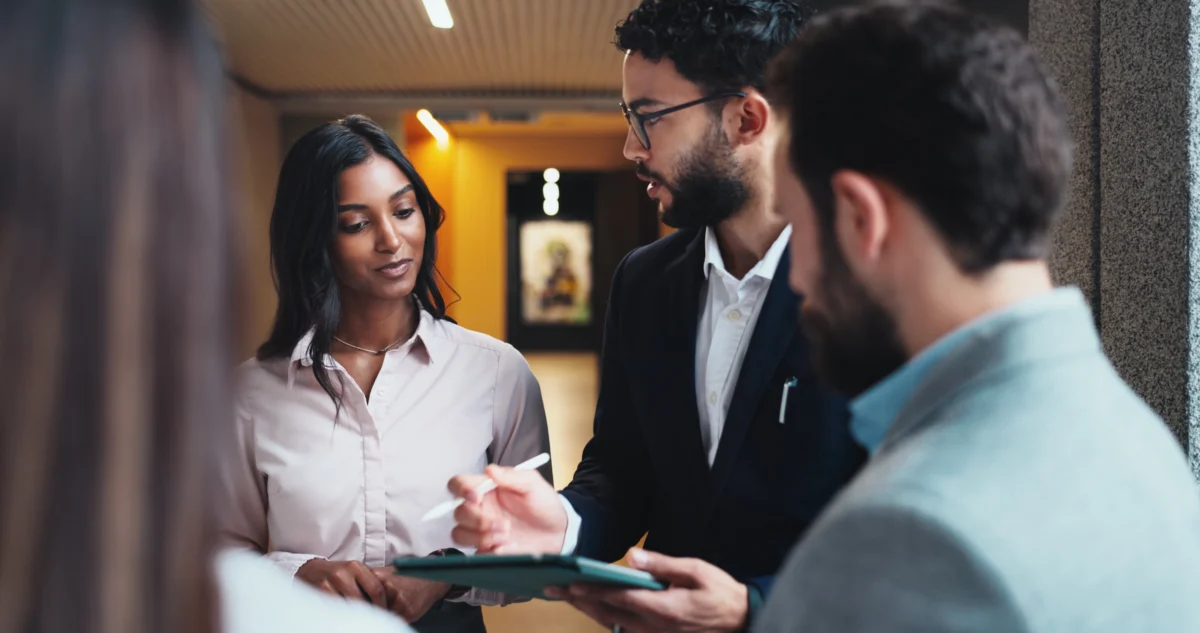
In an industry where the guest experience is the ultimate currency, the technology powering that experience—the Property Management System (PMS)—has historically been a source of friction. For years, the hospitality sector has struggled with complex, legacy software that required weeks of onboarding, leading to high staff turnover and operational bottlenecks.
However, a paradigm shift is underway. As hotels grapple with persistent labor shortages and an increasingly digital-first guest demographic, industry leaders are rethinking how they onboard teams. Priya Rajamani, Senior Vice President of Client Success, Implementation, and Support at Stayntouch, recently sat down to discuss how intuitive design, AI-driven learning, and strategic integration are redefining hotel operations.
The Core Challenge: Tech as an Enabler, Not a Barrier
The modern hotel environment is high-velocity and guest-centric. Yet, many properties still rely on legacy software that demands a steep learning curve. When staff members spend more time wrestling with a cumbersome interface than interacting with guests, the property suffers.
"It starts with building the PMS around the people who actually use it," says Rajamani. "When staff feel their system is working with them instead of against them, they dig in, explore, and get comfortable faster."
The shift toward user-centric design is not merely aesthetic. A clean, intuitive User Interface (UI) reduces the time required for proficiency from weeks to mere hours. By removing clutter and prioritizing clear, plain-language actions, hoteliers are effectively broadening their talent pool. Instead of hiring for technical aptitude, operators can prioritize candidates with high emotional intelligence and hospitality instincts—the traits that truly move the needle on guest satisfaction.
Chronology of an Evolution: From Classroom to Mobile-First
Historically, PMS training followed a "big bang" approach: an intensive, multi-day seminar held immediately before a software go-live date. Once the session concluded, training essentially stopped. New hires were left to learn from veteran colleagues, often inheriting bad habits or incomplete knowledge in the process.
The Shift to Continuous Learning
Today, the model has inverted. The evolution of training follows a timeline of increasing accessibility:
- Pre-2015: Rigid, on-site, instructor-led training. High cost, low retention.
- 2015–2020: Introduction of digital manuals and early e-learning modules. Still largely static.
- 2020–2023: The rise of cloud-based, on-demand training libraries and virtual practice environments.
- 2024 and Beyond: AI-driven, role-specific learning paths integrated directly into the workflow.
This shift has been necessitated by the "always-on" nature of hotels. Because properties never close, finding time for traditional training sessions is nearly impossible. Modern solutions leverage the devices staff already have in their hands, allowing for micro-learning sessions during breaks or quiet moments between shifts.
Supporting Data: Why Structure and Accessibility Matter
The efficacy of training is no longer measured by attendance, but by competency. According to industry best practices championed by experts like Rajamani, the most effective training programs share several key characteristics:
1. The Power of "Safe Spaces"
Effective training programs now incorporate sandboxed "test environments." These digital playgrounds allow staff to simulate complex scenarios—such as split folios or rate overrides—without the risk of impacting actual guest data. This lowers anxiety and encourages exploration.
2. Multi-Layered Knowledge Bases
In a global industry, language barriers can impede efficiency. Modern PMS platforms now prioritize:
- Multi-language course libraries: Ensuring that every staff member, regardless of their native language, has access to quality training.
- Searchable Knowledge Bases: Providing on-demand, instant answers to "how-to" questions.
- Progress Tracking: Giving managers visibility into which modules have been completed and where specific employees might need extra support.
3. AI-Assisted Content Creation
AI is no longer just a buzzword; it is a vital tool for content maintenance. As platforms update and iterate, static training materials become obsolete. AI allows providers to update modules in real-time, ensuring that staff are always working with the most current documentation.
Managing the Connected Tech Stack
The modern hotel ecosystem is a complex web of interconnected applications—from guest messaging platforms to automated revenue management systems. While these tools offer immense value, they create a significant training burden.
The Integration Paradox
"In a lot of cases, training people on an integration is harder than actually implementing it," Rajamani notes. When staff must navigate a dozen different vendors, cognitive load increases, leading to "tech fatigue."
To combat this, operators should move away from the "one-size-fits-all" trap. "Watch out for one-size-fits-all ‘plug and play’ solutions," advises Rajamani. "They tend to create mismatched systems, technical headaches, and a worse experience for staff and guests alike."
Instead, top-performing hotels demand transparency from their vendors. The best PMS providers offer the same documentation to the hotelier that they use for their own internal teams. This empowers the property to manage updates independently, reducing reliance on third-party support and speeding up internal troubleshooting.
Strategic Implications: Building a Resilient Workforce
What sets top-performing properties apart? The answer lies in their philosophy toward professional development.
Moving Beyond the "Check-the-Box" Mentality
Many hotels still view training as a one-time event to fulfill a compliance requirement. In contrast, industry leaders treat training as an ongoing operational strategy. They recognize that a staff member who understands the "why" behind a system function—not just the "how"—is a more engaged employee.
Cross-Training for Longevity
A significant trend in modern hotel management is the democratization of knowledge. By allowing front desk staff to explore housekeeping or revenue modules, hotels create a more flexible, cross-trained workforce. This not only aids in succession planning but also helps staff understand the broader operational ecosystem, leading to better inter-departmental cooperation.
The Human-Technology Nexus
The ultimate goal of upgrading PMS training is not to turn hospitality staff into IT professionals; it is to remove the technology from the foreground so that the human element can take center stage.
"The payoff for guests follows naturally," Rajamani explains. "When staff onboard faster and spend less time wrestling with technology, they spend more time with guests. That shows up directly in service: shorter wait times, fewer errors, and more consistency across every shift."
Looking Ahead: The Future of Hotel Operations
As we look to the future, the integration of Artificial Intelligence and hyper-personalized learning paths will continue to accelerate. The days of generic, company-wide training videos are fading. In their place, we are seeing the rise of context-aware learning: a staff member at the front desk will receive a notification on their device with a short, three-minute training module on a new guest-messaging feature precisely when they start their shift.
For independent and boutique hotels, which rely heavily on unique service experiences to compete with large chains, this technology-enabled efficiency is a vital differentiator. By simplifying the software that runs the hotel, operators can finally focus on what really matters: the guest.
The labor crisis is not going to vanish overnight, but by rethinking the "how" and "why" of staff training, hoteliers can create a workplace that is more efficient, less stressful, and ultimately, more rewarding for the professionals who define the hospitality industry.
For those interested in diving deeper into this transformation, the full Q&A with Priya Rajamani can be accessed via Lodging Magazine.


 Rifan Muazin