Suro Senen
In an era where flagship smartphones frequently command prices exceeding $1,200, the "budget" segment has become an increasingly competitive battleground. For many consumers, the question isn’t whether they can afford a phone, but whether they can afford to waste money on a device that fails to keep up with the demands of modern digital life. Finding a high-quality Android phone for $300 or less is entirely possible, but success requires a strategic approach: you must know exactly which features are essential and which are merely luxury bells and whistles.
The Strategy of Compromise: What to Sacrifice
When hunting for a budget device, the art of the purchase lies in knowing where to cut corners. It is perfectly acceptable to sacrifice premium materials like titanium frames, ceramic backs, or ultra-fast wireless charging. These features contribute to the "feel" of a device but rarely impact its daily utility. Most users will—and should—encase their phone in a protective cover, effectively rendering high-end aesthetics invisible.
However, the line must be drawn firmly when it comes to the internal hardware that dictates performance. Sacrificing RAM, processor speed, battery capacity, or display quality leads to a "false economy." You may save $100 upfront, but you end up with a device that becomes frustratingly slow, incapable of running modern apps, or reliant on a power bank by midday.
Screen and RAM: The Foundation of Performance
The display is your primary interface with the digital world. While early smartphones thrived on 4-inch screens, those dimensions are insufficient for today’s content-heavy ecosystem.
Display Standards
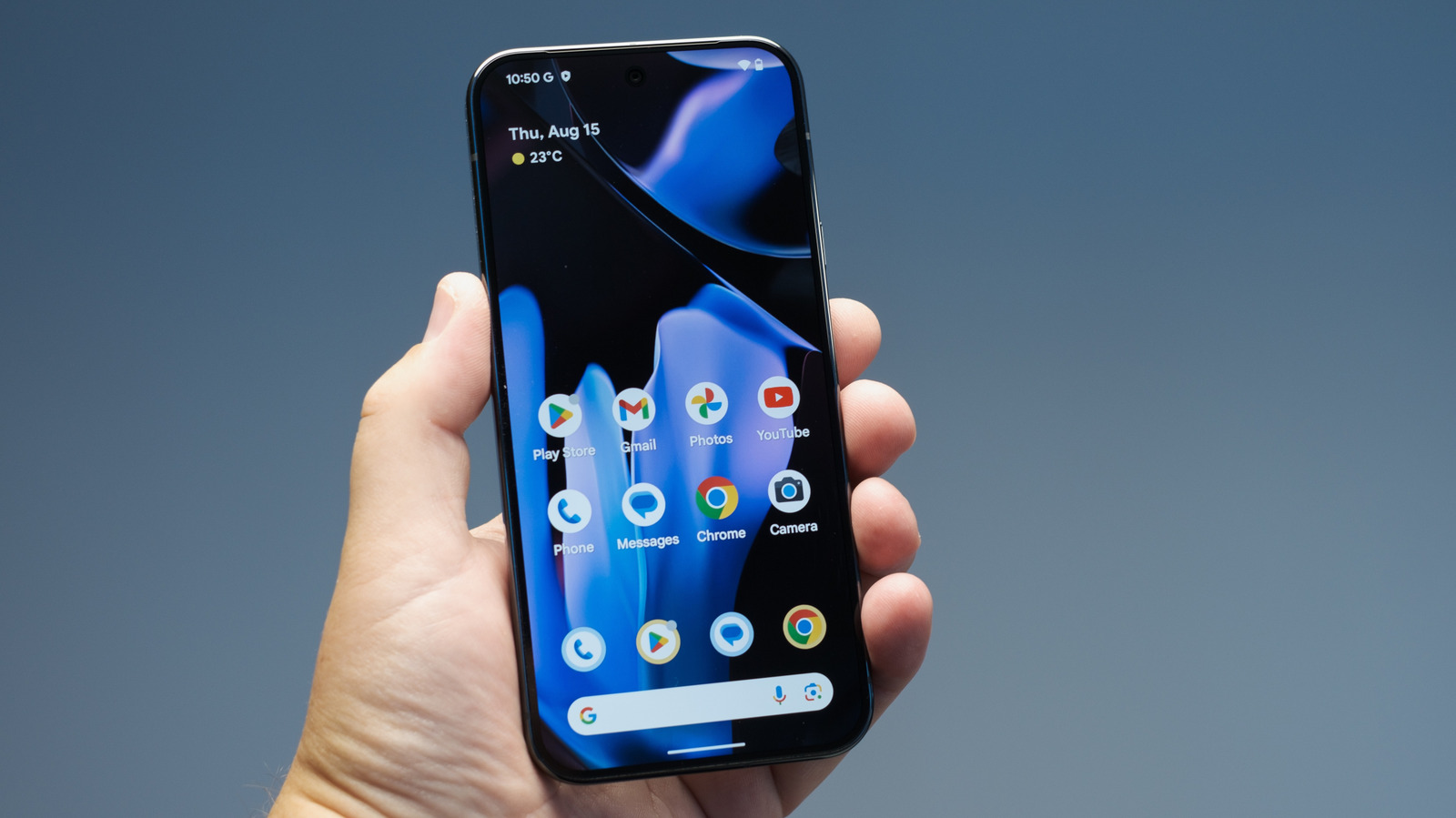
For a modern budget phone, a screen size between 6.1 and 6.7 inches is the "sweet spot." Anything smaller feels cramped for typing, while larger devices may become unwieldy. Beyond size, the panel technology is non-negotiable. Look for an AMOLED (Active-Matrix Organic Light-Emitting Diode) panel. Unlike traditional LCD screens, AMOLED offers superior contrast ratios, deep blacks, and better power efficiency. Furthermore, ensure the display offers at least 1,000 nits of peak brightness. Without this level of luminosity, using your phone outdoors in direct sunlight becomes a squinting contest, rendering the screen virtually unreadable.
The RAM and Processor Equation
Memory (RAM) is the engine room of your phone. In the current Android ecosystem, 6GB of RAM is the absolute floor. Anything less will result in constant app-reloading, stuttering animations, and a poor experience when multitasking between browsers, messaging apps, and social media. If you are a mobile gamer or a power user, 8GB should be your target.
Equally important is the processor (SoC). While you don’t need the latest Snapdragon 8-series flagship chip, you must avoid "entry-level" processors that were outdated at their launch. A sluggish processor will bottleneck every other component of your phone. Before buying, check the release date of the processor and look for benchmarks. If a phone is running a chip that is more than two years old, it is likely a bad investment, regardless of the price.
Storage: The Hidden Pitfall
Modern apps, high-resolution photos, and OS updates consume storage at an alarming rate. 64GB is no longer viable for a primary device. 128GB should be your absolute minimum, and if you plan to keep the device for more than two years, 256GB is strongly recommended. Because microSD card slots are becoming increasingly rare, you cannot always count on "expandable storage" as a safety net.
The Lifeblood of the Device: Battery and Camera Systems
A phone is only as useful as its ability to stay powered and its capacity to capture memories.
Battery Expectations
In the current market, 4,500mAh should be considered the bare minimum for battery capacity. However, 5,000mAh is the gold standard for mid-range and budget devices. This capacity, paired with modern power-efficient processors, allows for comfortable "all-day" usage. Be wary of devices that boast massive batteries but lack efficient charging protocols; a large battery that takes four hours to charge is a major inconvenience.
The Megapixel Myth
When looking at cameras, do not fall for the "megapixel trap." A 64MP sensor does not automatically equate to a better photo than a 12MP sensor. Focus instead on the sensor size and image processing. A larger sensor captures more light, which is crucial for low-light photography. For your primary rear camera, look for at least a 32MP sensor, but prioritize reviews that demonstrate actual photo quality. For the front-facing "selfie" camera, a 12MP sensor is usually sufficient for video calls and social media content.
Supporting Data: Why "Cheap" Doesn’t Have to Mean "Bad"
Market trends indicate that the mid-range sector is where the most value is found. Companies like Samsung (with the Galaxy A-series), Motorola, and Nothing have mastered the balance of essential features at accessible price points.
Consider the "renewed" market as well. A manufacturer-refurbished Google Pixel 8a or a previous-generation flagship often costs the same as a brand-new budget handset. These devices, while technically "used," offer superior processors, better camera software, and higher-quality builds than a budget-tier phone released in the same year. By opting for a high-quality used device, you gain access to features like wireless charging, IP68 water resistance, and superior long-term software support.
Official Responses and Industry Outlook
Tech manufacturers are increasingly aware that consumers are holding onto their phones for longer. In response, brands like Samsung and Google have extended their software support timelines, often promising four to five years of security updates even for their more affordable models. This shift is critical: a cheap phone is only a bargain if it remains secure and functional for several years. When shopping, always verify the "End of Life" date for software support provided by the manufacturer. If a phone is within 12 months of losing security updates, its value drops significantly.
Implications for the Consumer
The implications of these purchasing criteria are clear: a "cheap" phone should be an investment in utility, not a disposable commodity. By prioritizing 6GB+ of RAM, 128GB+ of storage, AMOLED displays, and solid battery life, you insulate yourself against the frustration of planned obsolescence.
As you finalize your search, watch for seasonal sales—specifically around Prime Day, Black Friday, or back-to-school windows. These events frequently bring premium mid-range phones down to the $300 price bracket. By maintaining your standards and refusing to compromise on the core "non-negotiable" features, you can secure a smartphone that serves your daily needs for years to come without requiring a personal loan.
In conclusion, the best way to buy a cheap Android phone is to treat the process like a professional acquisition. Research the processor, verify the RAM, demand a high-quality display, and ensure the battery is robust. When you shop with these criteria, you aren’t just buying a cheap phone—you are buying a high-value tool that respects your time and your budget.


 Nana Wu
 Pevita Pearce