Muslim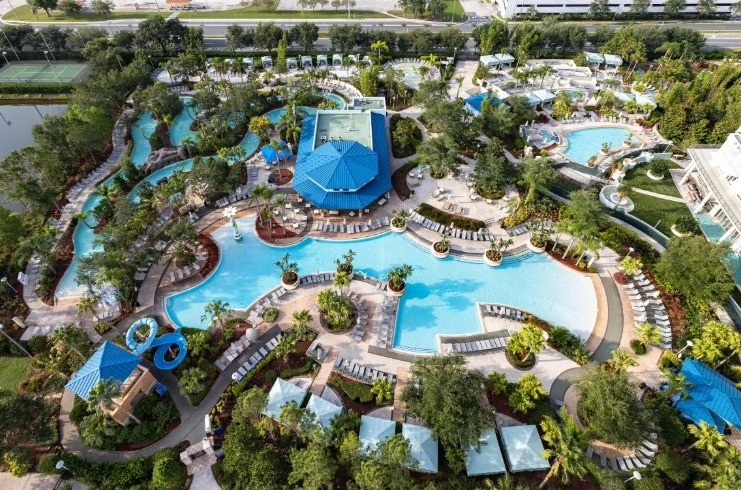
MCLEAN, Virginia – In a strategic move designed to bridge the gap between traditional overnight hospitality and local lifestyle engagement, Hilton has officially announced a three-year extension of its partnership with ResortPass. This expanded collaboration, which builds upon years of successful integration, is set to scale access to Hilton’s extensive portfolio of resort and wellness amenities across the Americas. By opening the doors to pools, spas, fitness centers, and private cabanas for both day-trippers and locals, the hospitality giant is signaling a fundamental shift in how hotel real estate can be leveraged to drive revenue and community connectivity.
The Evolution of the Day-Pass Model
The partnership between Hilton and ResortPass represents a departure from the conventional "heads-in-beds" revenue model that has dominated the hotel industry for decades. By monetizing underutilized assets—such as pool decks during mid-week hours or spa facilities during low-occupancy periods—Hilton is effectively transforming its properties into community lifestyle hubs.
The expansion of this partnership is not merely a renewal; it is an acceleration. Over the next three years, Hilton intends to standardize the integration of ResortPass across a broader swath of its North American portfolio. This initiative allows non-guests to purchase day passes, granting them entry to world-class amenities that were previously reserved exclusively for overnight guests.
Chronology: From Pilot Program to Strategic Pillar
To understand the weight of this announcement, one must look at the trajectory of the relationship between these two entities:
- Initial Integration: The collaboration began as a pilot program aimed at testing the viability of "day-use" hospitality. The goal was to combat the "empty chair" phenomenon—where expensive infrastructure like pools and fitness centers sat dormant while hotel guests were out sightseeing or working.
- Proof of Concept: Early data indicated that the day-pass model not only generated incremental revenue but also acted as a marketing tool. Locals who experienced the property through a ResortPass were significantly more likely to book future overnight stays or utilize the hotel’s food and beverage outlets.
- Scaling Up (2024–2025): Throughout the previous year, Hilton saw a marked increase in guest demand for "wellness-first" travel. Following positive feedback, the internal teams at Hilton began exploring how to package these amenities beyond simple access.
- The Three-Year Commitment (2026): The current announcement marks the formalization of this strategy as a long-term operational pillar for the Americas, complete with a specialized event series to deepen the brand’s footprint in local markets.
The "Off Hours" Event Series: Reimagining Hotel Spaces
A cornerstone of this expanded partnership is the introduction of the "Off Hours Event Series." This initiative aims to solve one of the most common challenges in luxury resort management: the "dead zone" hours during the week when amenities are under-capacity.
By curating ticketed experiences, Hilton is transforming quiet poolside environments into vibrant social hubs. These events are designed to be "hyper-local," featuring:
- Live Entertainment: DJs and local musical acts to cultivate a specific ambiance.
- Artisanal Integration: Partnerships with local vendors and businesses to provide food and beverage, ensuring that the hotel feels like part of the neighborhood rather than a gated enclave.
- Strategic Deployment: The series is making its debut in high-density markets in Florida, including the Hilton Orlando, Hilton West Palm Beach, Beach House Fort Lauderdale, Hilton Tampa Downtown, and the Signia by Hilton Diplomat Beach Resort.
By moving beyond simple "access," Hilton is transitioning into an "experience provider," a move that industry analysts suggest is necessary to remain competitive in a post-pandemic landscape where travelers prioritize unique, localized experiences over standardized hotel stays.
Official Perspectives: Aligning Vision and Execution
The leadership teams at both organizations emphasize that this partnership is about more than just booking software; it is about a philosophy of well-being.
"Hilton has long been a leader in spa and wellness innovation," said Jessica Shea, vice president, wellness, retail & leisure operations, Americas, Hilton. "The success of our ResortPass partnership has encouraged us to expand our offerings and accelerate how we approach wellness across our portfolio. We can now better connect our properties more meaningfully to the communities around them, offering flexible access to world-class wellness experiences."

Shea’s comments highlight a shift toward "inclusive luxury." By democratizing access to high-end spa therapies and resort amenities, Hilton is fostering brand loyalty among a demographic that might not be traveling for business or long-term leisure but is seeking high-quality wellness options in their own backyard.
Michael Wolf, CEO of ResortPass, echoed these sentiments, framing the partnership as a catalyst for industry-wide change. "ResortPass and Hilton are setting a new standard for how hospitality innovates on well-being beyond the traditional stay. The expansion of this partnership reflects a shared commitment to redefining how people rest and recharge," Wolf noted.
Supporting Data and Market Implications
The economic implications of this strategy are substantial. In the hospitality sector, the "Day-Pass" economy is currently one of the fastest-growing sub-sectors. According to internal reports, the utilization of hotel amenities by non-guests provides a high-margin revenue stream that requires minimal additional overhead.
Key Performance Drivers:
- Ancillary Revenue: Beyond the cost of the day pass, non-guests spend an average of 30% more on-property on food, beverages, and retail items compared to standard visitors.
- Asset Optimization: The "Off Hours" series allows properties to monetize assets that were previously considered "sunk costs" or operational expenses.
- Customer Acquisition Cost (CAC): By bringing local residents into the property, Hilton is effectively lowering its CAC. These local patrons become brand advocates, driving organic traffic and word-of-mouth marketing within their own communities.
- Wellness Integration: As the "wellness economy" continues to grow globally, Hilton’s commitment to providing accessible spa and fitness options positions the brand as a leader in the preventative health and lifestyle space.
Implications for the Future of Hospitality
The three-year expansion between Hilton and ResortPass is likely to trigger a ripple effect across the broader hospitality industry. Competitors are already closely monitoring the success of the "Off Hours" event series, which effectively blends the "day club" culture with the reliability of a major hotel brand.
The Shift Toward the "Community Hotel"
For years, hotels functioned as silos, disconnected from the cities they occupied. The "Off Hours" series suggests a move toward the "Community Hotel" model, where the hotel serves as a town square. This is particularly relevant in cities like Orlando and Fort Lauderdale, where the line between "tourist" and "resident" often blurs.
Long-Term Sustainability
By prioritizing flexible access, Hilton is also addressing the modern traveler’s desire for spontaneity. With the ResortPass platform, guests can book a poolside cabana or a spa treatment with the same ease as ordering a rideshare. This frictionless booking experience is vital for attracting younger demographics, such as Millennials and Gen Z, who value convenience and immediate gratification.
Challenges and Operational Considerations
While the model is promising, it does not come without challenges. Property managers must balance the influx of day-pass holders with the experience of overnight guests. Hilton’s strategy appears to involve tiered access—limiting the number of passes sold on high-occupancy days to ensure that overnight guests maintain the exclusivity they paid for. The success of the three-year plan will depend on the brand’s ability to maintain this equilibrium.
Conclusion
The expanded partnership between Hilton and ResortPass is a clear signal that the definition of a "hotel guest" is evolving. As the hospitality industry continues to recover and innovate, Hilton is positioning itself as a leader in the "experience economy." By combining the physical scale of its vast portfolio with the technological agility of the ResortPass platform, Hilton is not just selling rooms—they are selling access, wellness, and community.
As the "Off Hours Event Series" rolls out across Florida and beyond, the hospitality world will be watching closely to see if this model can be replicated on a global scale. For now, the message is clear: the doors are open, and the future of the hotel industry is looking increasingly like a lifestyle destination for everyone.


 Ali Ikhwan
 Reynand Wu