Nana Muazin
In the modern automotive landscape, the backup camera has evolved from a luxury novelty into a fundamental safety standard. Since May 2018, the National Highway Traffic Safety Administration (NHTSA) has mandated that all new vehicles sold in the United States come equipped with rear-visibility technology. However, for the millions of drivers operating older vehicles—or those driving classic cars—this life-saving feature remains absent.
While integrated factory systems offer seamless operation, aftermarket solutions have bridged the gap, providing a path to enhanced safety for aging fleets. But how do these add-on systems function, and what are the trade-offs between a professional-grade hardwired installation and a DIY wireless setup?
The Evolution of Rear-Visibility Technology
From Mirrors to Digital Eyes
The journey to the backup camera began with simple blind-spot mirrors, but as vehicle silhouettes grew higher and trunks deeper, the "blind zone" directly behind the vehicle became a critical safety issue. The transition to digital visibility was driven by a need to mitigate "backover" accidents, which disproportionately affect children and the elderly.
In the early 2000s, backup cameras were exclusive to high-end luxury sedans and SUVs. By 2010, the technology had trickled down to mid-range models, eventually culminating in the 2018 federal mandate. This regulatory shift forced manufacturers to integrate cameras into the vehicle’s Controller Area Network (CAN bus), allowing for dynamic guidelines that bend as the steering wheel turns. Aftermarket manufacturers have since raced to replicate this functionality, creating a tiered market of wireless and wired camera systems.
Decoding the Technology: How Aftermarket Systems Work
Unlike factory-integrated systems that share data with the vehicle’s ECU (Electronic Control Unit), aftermarket cameras are largely autonomous. Understanding the architecture of these systems is crucial for any vehicle owner considering an upgrade.
Connectivity Protocols
The primary distinction between aftermarket systems lies in their transmission method:
- Dedicated Radio Frequency (RF): Most mid-range wireless cameras use a proprietary 2.4GHz digital signal. This creates a point-to-point connection between the camera and the monitor, bypassing the need for mobile data or Wi-Fi networks.
- Wi-Fi Direct: Often found in smartphone-integrated systems, these cameras generate their own Wi-Fi hotspot. The user must connect their phone to the camera’s signal, which then streams video directly to a dedicated app.
- Bluetooth: Less common due to bandwidth limitations, Bluetooth-based cameras are usually reserved for lower-resolution, short-range applications.
The Signal Chain
In a standard wired setup, the camera is physically spliced into the vehicle’s reverse-light circuit. When the gear shifter is moved to ‘Reverse,’ the 12V power supply to the tail light triggers the camera, which then sends an analog or digital signal through a shielded cable to the dashboard monitor.
Wireless systems, by contrast, utilize a transmitter module. When the reverse lights activate, the transmitter sends the video signal to a receiver integrated into the display unit. This eliminates the need to run cables through the headliner or under the carpet of the car, which is the most labor-intensive part of a traditional installation.
Supporting Data: Costs, Reliability, and Performance
When comparing installation methods, the cost-benefit analysis is stark. According to industry data, a professional hardwired installation can range from $300 to over $800 depending on the complexity of the vehicle’s wiring and the quality of the camera.
The DIY Advantage
Wireless kits, which retail between $40 and $450, offer a significant barrier-to-entry reduction. However, they come with technical caveats:
- Compression Latency: Because wireless data is compressed to be sent over the air, there is often a millisecond-level delay. While negligible for most drivers, it can be disconcerting during fast-paced maneuvers.
- Resolution Constraints: To maintain a stable connection, wireless systems often drop frames or reduce resolution, particularly if there is interference from other electronic devices or structural metal shielding within the vehicle.
- The "App-First" Problem: Battery-powered, solar-charged cameras—often marketed for their "zero-wire" installation—require the user to open an app. This adds a critical step to the driving process, potentially causing a delay in reaction time during emergency stops.
Implications of Retrofitting: Safety vs. Convenience
The most significant implication of moving from a factory system to an aftermarket one is the loss of "intelligent" safety features.
The Missing "Intelligence"
Factory systems do more than show a picture. They often include:
- Proximity Sensors: Ultrasonic sensors that calculate distance and provide audible alerts.
- Cross-Traffic Alert: Radar systems that detect objects moving perpendicular to the vehicle.
- Dynamic Trajectory: Guidelines that predict the vehicle’s path based on steering input.
Aftermarket cameras, unless they are high-end units integrated into a new head unit (such as those from Pioneer or Alpine), are almost exclusively "visual-only." They lack the computer vision required to detect obstacles or measure distance. A driver relying on a cheap wireless camera is essentially using a digital mirror; they must still exercise the same caution as if they were looking out the rear window.
Installation Chronology: A Step-by-Step Overview
For those choosing the DIY route, the process generally follows a standardized timeline:
- Preparation (1-2 hours): Involves cleaning the mounting surface, testing the camera signal before final placement, and determining the power source.
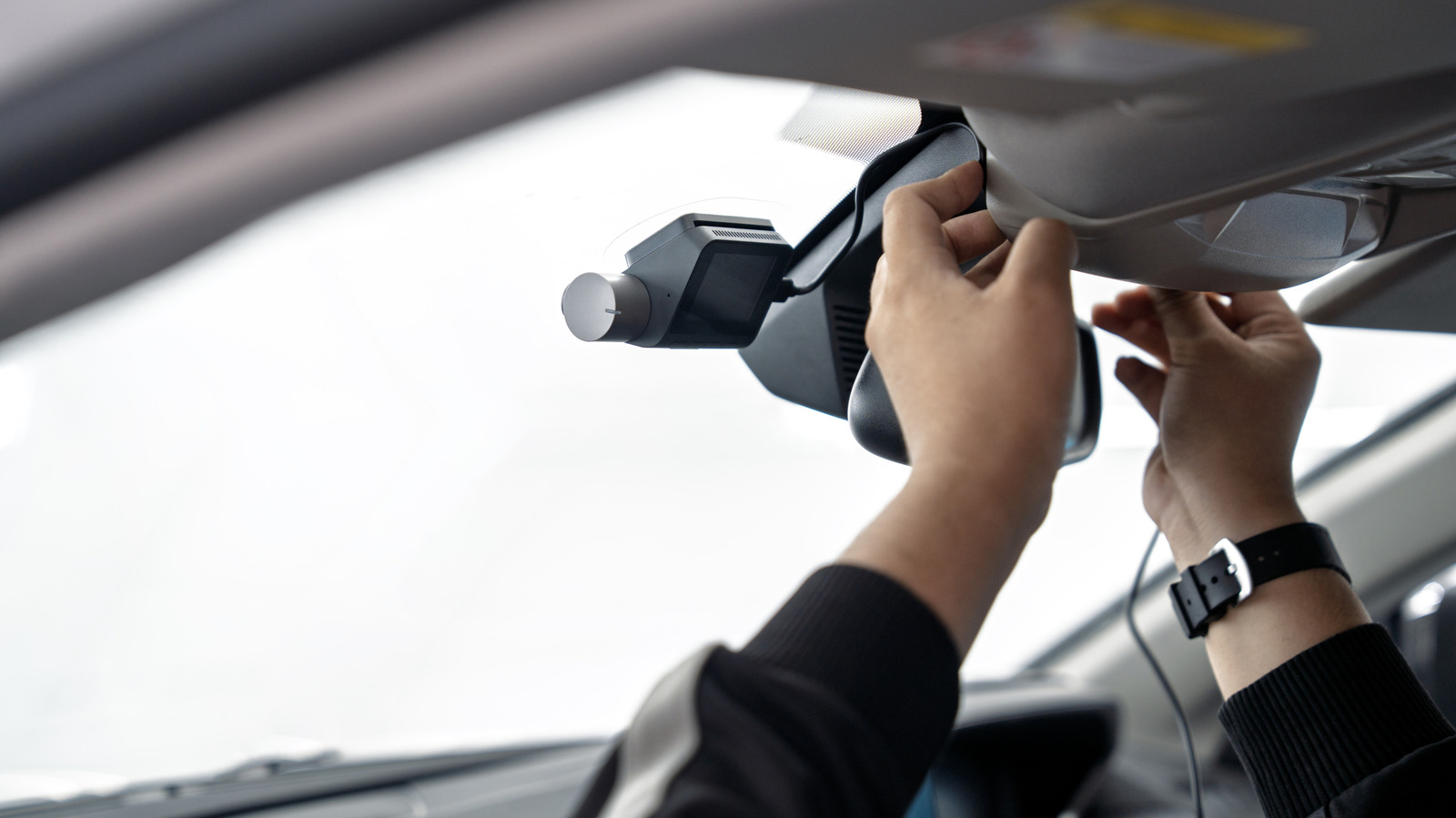
- Mounting (30-60 minutes): Securing the camera near the license plate and the monitor to the dashboard or rearview mirror.
- Wiring/Pairing (1-2 hours): If wired, this involves removing trim panels and tapping into the reverse light wiring. If wireless, this involves pairing the transmitter and receiver.
- Calibration (30 minutes): Adjusting the camera angle to ensure the "fish-eye" lens provides the optimal viewing angle, often requiring a helper to stand at various distances from the rear bumper.
Official Industry Perspective
Automotive safety experts and consumer advocacy groups, such as the Insurance Institute for Highway Safety (IIHS), generally view aftermarket cameras as a net positive for public safety. However, they emphasize the "distraction factor."
"An aftermarket camera is a tool, not a replacement for head-checks," says one industry consultant. "The risk with low-cost wireless systems is the false sense of security. Drivers may focus too heavily on a grainy, lagging image on their phone screen, while failing to monitor their side mirrors or the area directly in front of the vehicle."
Strategic Considerations for Consumers
Before purchasing a system, consumers should evaluate their specific needs:
- For the Daily Commuter: A hardwired system integrated into a new touchscreen head unit is the gold standard. It provides the closest experience to a factory system, including automatic activation and high-resolution, low-latency video.
- For the Occasional Driver: A mid-range wireless RF system (non-app based) provides the best balance of ease of installation and reliability. The dedicated monitor avoids the pitfalls of phone connectivity.
- For the Classic Car Owner: Solar-powered, stick-on cameras are ideal for vehicles where drilling holes or splicing into original wiring would decrease the car’s value.
Conclusion: The Path Forward
The retrofit market is currently undergoing a shift toward high-definition digital signals that rival factory cameras. As the cost of components continues to fall, the "lag and grain" issues that plagued early wireless systems are becoming less common.
However, technology cannot replace human judgment. Whether you install a $50 DIY kit or a $600 professional system, the camera is merely an aid. The most effective safety system remains the driver, supplemented by the best technology they can reasonably afford to install. By choosing a system that prioritizes reliability and low latency, drivers of older vehicles can significantly reduce the risk of accidents, bringing a modern layer of safety to a legacy machine.
Ultimately, while aftermarket cameras may lack the integrated sensor suites of a 2024 luxury vehicle, they remain a vital, affordable, and highly effective upgrade for anyone looking to modernize their driving experience and enhance the safety of their vehicle’s "blind zone."


 Pevita Pearce