
 Nana Muazin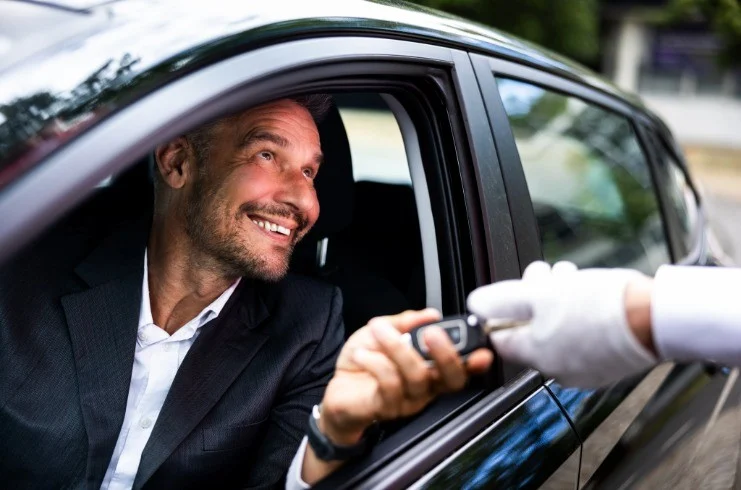
In the competitive landscape of modern hospitality, hotel executives have long obsessed over the “golden triad” of guest satisfaction: immaculate guestrooms, world-class dining, and high-tech amenities. Yet, as the industry evolves, a silent, often overlooked touchpoint is demanding a seat at the strategy table. That touchpoint is the hotel parking garage and the arrival curb.
For decades, parking was viewed as a back-of-house operational necessity—a logistical chore relegated to third-party vendors or junior staff. However, that perception is shifting. In an era where digital convenience defines the guest journey, parking is being rebranded as a critical, high-stakes amenity. If the hospitality experience is a story, the parking facility is the prologue; if the prologue is confusing or frustrating, it sets a negative tone that even the most luxurious suite cannot fully redeem.
The Evolution of the Arrival Experience
The modern guest’s journey is highly digitized. From the moment a traveler books a room via a smartphone, they are accustomed to a frictionless flow: automated confirmation emails, digital check-in processes, and mobile room keys. When these travelers pull their vehicles onto the property, they expect that digital elegance to translate into physical reality.
The disparity between a high-tech mobile app and a chaotic, poorly marked parking garage is a primary friction point. "Hospitality begins at the curb," says industry analyst Sarah Jenkins. "The moment a guest leaves their vehicle, their evaluation of the hotel has already begun. If they are met with a confusing maze of signage or a valet who seems overwhelmed, the ‘luxury’ brand promise is instantly undermined."
The Psychology of First Impressions
The arrival process is a psychological "moment of truth." Guests arrive at hotels in various states of mind: some are fatigued from long-haul flights, others are stressed by business travel, and many are eager to transition into a vacation mindset. A seamless arrival acts as a mental bridge, allowing the guest to shed the stress of the road and embrace the hotel’s atmosphere. Conversely, a parking bottleneck acts as a wall, forcing the guest to remain in a state of high alert and frustration just as they should be beginning their relaxation.
Removing Friction: The Technological Imperative
The philosophy of modern hospitality management is simple: the best parking experience is one the guest barely notices. This "invisible service" is achieved through a blend of physical design and integrated technology.
Digital Integration and Pre-Arrival Strategy
Forward-thinking properties are now extending the guest journey into the pre-arrival phase by sending detailed parking instructions via email or SMS. This includes links to interactive maps, valet request portals, and, in some cases, pre-paid parking options.
By utilizing technologies such as license plate recognition (LPR) and digital gating, hotels can eliminate the need for paper tickets and manual booth interactions. When a guest’s vehicle is recognized upon entry, the barrier lifts automatically. This small, sophisticated touch serves as a powerful signal that the hotel values the guest’s time.
The Role of Technology in Human Service
There is a common misconception that technology replaces the human element of hospitality. In reality, the best applications of technology in parking are designed to liberate staff. By automating the mundane tasks—processing payments, tracking vehicle locations, and managing space availability—valet attendants and front-door staff are freed to focus on the human side of the business: opening doors, greeting guests by name, and providing personalized recommendations.
Supporting Operations: The Complexity of Shared Spaces
For many urban hotels and large-scale resorts, parking is not a standalone facility but a shared ecosystem. These properties often juggle a delicate balance of competing interests: hotel guests, conference attendees, local restaurant patrons, retail shoppers, and sometimes even long-term office tenants.
Managing this complexity requires a sophisticated approach to data. By utilizing real-time occupancy sensors and predictive analytics, hotel managers can optimize traffic flow to prevent gridlock. For example, if a large corporate conference is scheduled to conclude at 5:00 PM just as leisure guests are arriving for dinner, the parking management team can proactively adjust traffic patterns and valet staffing levels.

This holistic management style treats the parking garage as a vital artery of the hotel’s overall operation, ensuring that the facility is never the cause of a service breakdown.
The "Last Impression" Principle
Hospitality professionals often obsess over the "wow factor" of arrival, but seasoned operators know that the departure is equally significant. The final interaction a guest has with a property is often the act of retrieving their vehicle.
If a guest has enjoyed a transformative stay but is forced to wait twenty minutes in a disorganized lobby for their car, the lingering memory of the visit becomes one of annoyance. The "last impression" is the one that follows the guest home and, crucially, the one that often dictates whether they choose to return or leave a scathing review on travel platforms.
Effective departure management includes:
- Mobile Valet Requests: Allowing guests to request their vehicle via an app while they are still in their rooms or at breakfast.
- Frictionless Payment: Integrating parking fees into the final room folio to eliminate the need for a separate transaction at the exit.
- Intuitive Wayfinding: Clear, bright, and easy-to-follow signage that ensures guests can exit the property without circling back through a maze of one-way streets.
Implications for Industry Standards
As online review platforms like TripAdvisor and Google Reviews continue to hold significant sway over booking decisions, the "parking experience" has become a quantifiable metric for success. Comments regarding "hidden parking fees," "difficult valet," or "lack of signage" are becoming frequent red flags for potential guests.
Data-Driven Service
Hotels that invest in parking infrastructure are seeing a measurable return on investment (ROI). Data indicates that properties with streamlined arrival and departure systems report higher scores in "Overall Experience" and "Value for Money." The investment—whether it be in new lighting, clearer signage, or modern parking management software—is not merely an expense; it is a retention strategy.
The Sustainability Shift
Sustainability is another emerging pillar of the parking experience. As electric vehicle (EV) adoption accelerates, the availability of high-speed charging stations has moved from a "nice-to-have" amenity to a non-negotiable requirement for many affluent travelers. Hotels that integrate EV charging into their parking operations signal to their guests that they are aligned with modern environmental values.
Conclusion: The Holistic Guest Journey
Parking is no longer a peripheral concern; it is a foundational component of the guest experience. By treating the garage and the curb with the same level of care and sophistication as the lobby and the guestrooms, hoteliers can create a truly cohesive brand identity.
Consistency is the bedrock of great hospitality. When every touchpoint—from the first turn into the parking structure to the final exit—reflects a commitment to convenience, service, and detail, the guest experience is elevated.
While a parking garage may never be the primary reason a guest books a stay, it possesses the unique power to either reinforce the brilliance of the hospitality provided or diminish it. For the modern hotelier, the mandate is clear: the journey begins at the curb, and the excellence of the stay depends on it.
As we look toward the future of the industry, those who master the art of the arrival will undoubtedly stand out, not just for the luxury of their suites, but for the seamlessness of their service—proving that even the most overlooked spaces can become the most memorable parts of the guest journey.


 Azzam Bilal Chamdy
 Ali Ikhwan




